Post by : Mina Rahman
Taiwan has made a significant announcement regarding its global technology vision, revealing plans for a robust and enduring strategic partnership with the United States in the dynamic sector of artificial intelligence. This initiative comes after an updated trade agreement that facilitates tariff reductions along with Taiwan's pledge to boost its investments in the U.S. market.
On Friday, Vice Premier Cheng Li-chiun emphasized that artificial intelligence is now a central priority for Taiwan's future growth and international collaboration. She highlighted that stronger ties with America could produce notable economic and technological advantages for both nations, especially as international competition in AI accelerates.
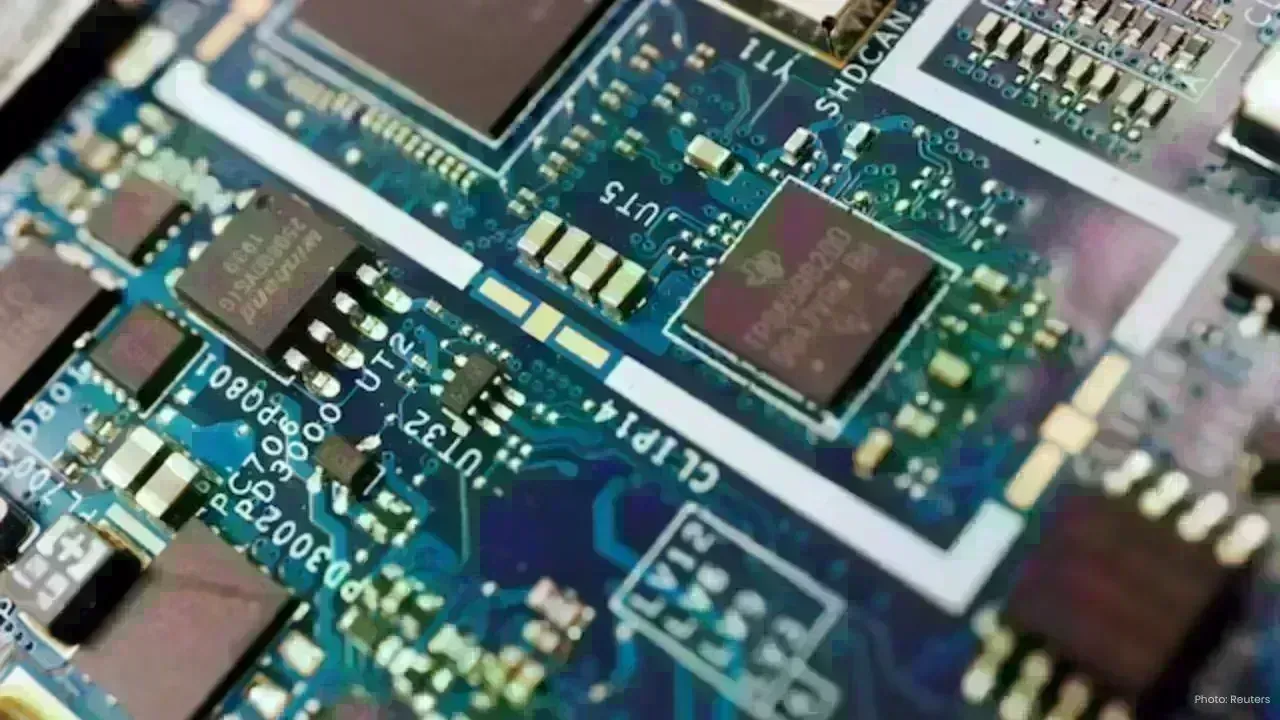
Taiwan’s leadership believes that its advanced semiconductor industry uniquely positions it to aid America's ambition of becoming a dominant player in AI technology. Taiwanese manufacturers are recognized globally for their high-performance semiconductors, which power not just AI systems but also vital sectors such as cloud computing, electric vehicles, smartphones, and advanced defense technologies.
Cheng’s comments align with the U.S. administration under President Donald Trump, which is increasingly urging foreign semiconductor firms to ramp up their manufacturing capacities within American borders. The U.S. views domestic production of advanced chips as a critical national agenda, particularly in light of AI's significance.
U.S. officials have consistently pointed out that global chip supply chain disruptions could pose risks to economic stability and national security. As a response, the Trump administration is encouraging key producers, especially from Asia, to enhance their investments in U.S. manufacturing capabilities.
Taiwan stands ready to answer this call. Cheng indicated that the Taiwanese government understands the U.S. concerns regarding economic security and reliability of supply chains, expressing readiness to collaborate with American partners. This partnership would encompass increased investments, technology transfers, and bolstering advanced semiconductor production capacities within the U.S.
As part of the recent trade deal, Taiwan agreed to implement measures that lower tariffs and remove trade hindrances between the two regions. In return, Taiwanese tech companies are anticipated to broaden their presence in the U.S. by building new facilities, establishing research and development sites, and generating thousands of high-skilled positions.
This initiative aligns with Washington's broader strategy to bring essential technology production back to the U.S. AI chips necessary for machine learning, data processing, and next-gen software are deemed too critical to depend solely on international supply channels.
Taiwan's government holds that collaboration, rather than competition, is the most effective approach moving forward. Cheng reiterated that by synergizing Taiwan’s manufacturing prowess with U.S. innovation and market appetite, both countries can gain a competitive edge in the global AI arena.
Artificial intelligence is gaining traction for governments globally, restructuring various sectors including healthcare, finance, manufacturing, transportation, and national defense. Control over AI-related hardware and software is increasingly perceived as a pivotal force for future economic growth and geopolitical prowess.
For Taiwan, reinforcing AI relations with the United States offers strategic relevance beyond just economic factors. The island is facing ongoing military and political pressure from China, which views Taiwan as part of its territory. Enhanced economic and technological support from Washington is seen in Taipei as a crucial way to foster mutual trust and bolster enduring political backing.
While Cheng withheld precise investment amounts, she assured that Taiwan’s commitment would be substantial and enduring. She affirmed that Taiwanese enterprises are ready to align with U.S. policy initiatives and escalate production of advanced AI chips within America.
Industry analysts suggest this strategy could assist both nations in navigational challenges. The United States would acquire better governance over essential technology supply chains, while Taiwan would benefit from a stable environment conducive to growth and international diversification.
Despite the hurdles ahead, Taiwanese officials remain optimistic. Cheng conveyed confidence that Taiwan's extensive background in semiconductor production, paired with U.S. ingenuity, sets a solid basis for triumph in AI developments.
She noted that this partnership would encompass more than just manufacturing. Future collaborations could involve joint AI research initiatives, the development of innovative applications, establishment of global technology standards, academic partnerships, and deeper interaction among tech entities from both nations.
The announcement illustrates a broad global tendency where trade policies, advanced technologies, and national security are increasingly intertwined. AI is particularly highlighted as a significant marker of future influence and economic dominance.
By positioning itself as a pivotal AI ally to the United States, Taiwan seeks to secure an essential role within the global artificial intelligence framework. Officials believe that tight-knit cooperation will foster long-term economic growth, technological supremacy, and deepened political engagement in the forthcoming years.
Ultimately, Taiwan's drive toward a strategic AI partnership with the United States epitomizes a crucial turning point in the evolution of global tech alliances. Through tariffs reductions and an emphasis on shared innovation objectives, both countries aim to forge a more secure, competitive, and AI-focused future.








The Impact of Consistent Small Investments on Wealth Building
Discover how investing small amounts regularly can positively transform your financial future over t

7.5 Magnitude Earthquake Strikes Japan, Tsunami Alerts Issued
Japan experiences a hefty 7.5 quake, prompting tsunami alerts and safety measures. Stay updated on a
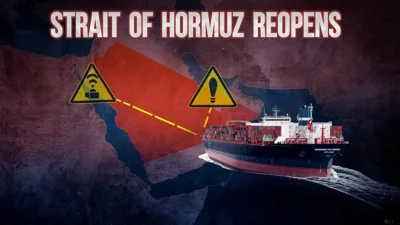
Reopening of the Strait of Hormuz: New Regulations to Impact Global Trade
Iran reopens the strategic Strait of Hormuz with new regulations affecting oil transport and global

Top 10 Must-See Attractions in NYC for First-Time Explorers
Discover essential experiences for first-time visitors to NYC, including attractions, culture, and i

Starbucks Engages Boyu Capital for Major Chinese Expansion
Starbucks teams up with Boyu Capital, selling a majority stake to boost growth and adapt to the Chin

Three Individuals Charged in Massive Meth Trafficking Case in Malaysia
In Malaysia, a married couple and another suspect are charged with trafficking 510kg of meth, facing