Post by : Mina Rahman
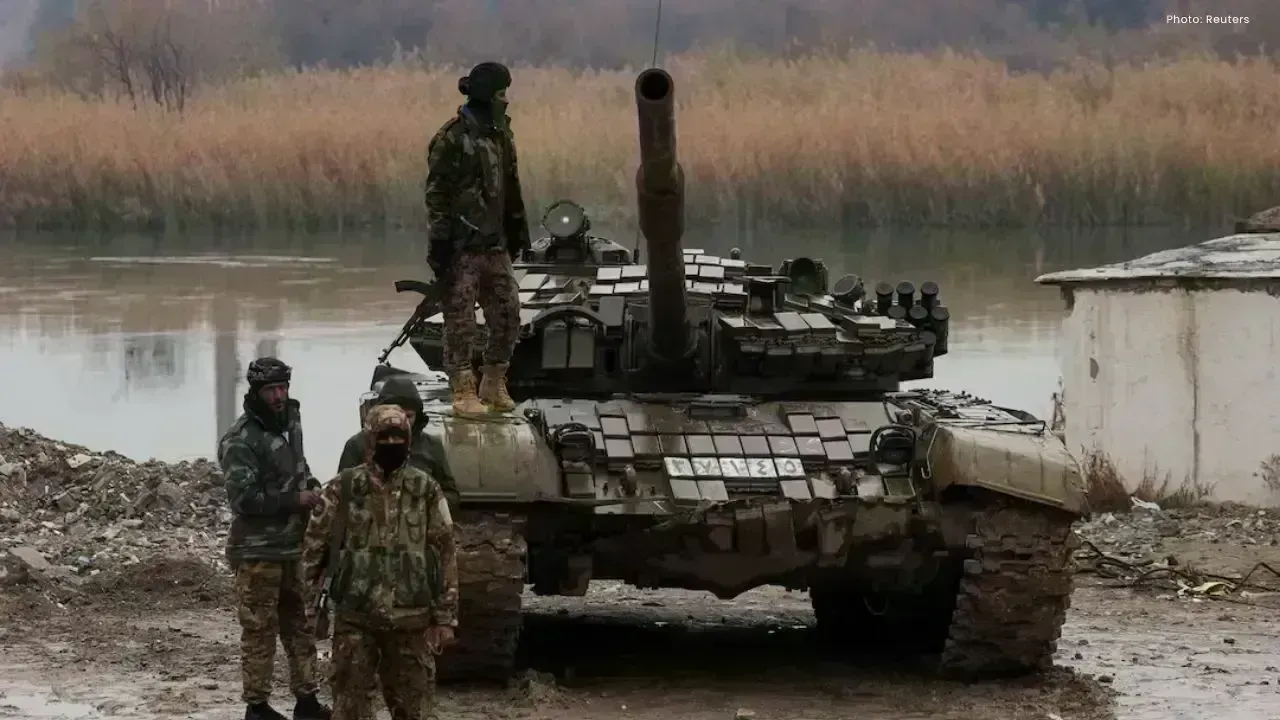
Syria has reached a turning point after years of conflict, division, and uneasy power-sharing. On Sunday, the Syrian government and the Kurdish-led Syrian Democratic Forces (SDF) signed a wide-ranging agreement that could reshape the country’s future. The deal aims to bring Kurdish military and civilian authorities under the control of the central government, ending days of fighting and closing a long chapter of semi-autonomy in Syria’s northeast.
This agreement comes after intense clashes in which Syrian government forces moved into areas long controlled by the SDF. These areas are not just symbolic. They include Deir al-Zor, Syria’s most important oil- and wheat-producing region, and Raqqa, which hosts key dams that supply electricity and water along the Euphrates River. Control over these regions gives Damascus greater power over Syria’s economy and infrastructure.
For more than a decade, the SDF governed a semi-autonomous region in northeastern Syria. Backed by the United States, the group played a central role in defeating the Islamic State in 2017. Over time, it built its own security forces, local councils, and civil administration. However, the fall of former President Bashar al-Assad in late 2024 and the rise of a new Islamist-led government under President Ahmed al-Sharaa changed the balance of power.
Talks between Damascus and the SDF had gone on for months, with a goal of full integration by the end of 2025. When that deadline passed without progress, tensions rose. Fighting soon followed, and government troops advanced quickly into Kurdish-held territory. The new deal appears to be the result of military pressure as much as political negotiation.
Under the 14-point agreement, all SDF fighters will be absorbed into Syria’s defence and interior ministries as individuals, not as separate Kurdish units. This was a key demand of the Syrian government and a major concession by the SDF. The deal also requires the handover of border crossings, oil and gas fields, and prisons and camps holding Islamic State fighters and their families.
These points mark a clear shift of power toward Damascus. For the Kurdish leadership, this is a painful compromise. SDF chief Mazloum Abdi confirmed that his forces agreed to withdraw from Deir al-Zor and Raqqa, both Arab-majority provinces. He described the recent fighting as a war imposed on his group, saying the SDF had tried to avoid it.
Still, the agreement is not one-sided. It allows the SDF to nominate Kurdish figures for senior military and civilian roles in the central government. It also states that Hasakeh province, where many Kurds live and which remains an SDF stronghold, will have a governor chosen by consensus. These clauses suggest an attempt, at least on paper, to protect Kurdish political influence within a unified Syrian state.
One sensitive part of the deal is the commitment to expel all non-Syrian members linked to the Kurdistan Workers’ Party (PKK). Turkey considers the PKK a terrorist group and has long accused it of controlling SDF decisions. Damascus has echoed these claims, while the SDF has denied them. Removing PKK-linked figures could ease pressure from Turkey and improve regional relations.
International reactions show how complex this moment is. The United States finds itself caught between two partners. For years, Washington supported the SDF as its main ally against the Islamic State. At the same time, it now backs President Sharaa’s promise to reunite Syria under one government. U.S. envoy Tom Barrack called the deal a “pivotal inflection point,” while warning that many difficult details remain.
Turkey welcomed the agreement, saying it hoped it would bring peace and stability to Syria and the wider region. Ankara’s response highlights how much regional powers want an end to armed groups operating outside state control.
Despite the announcement, the situation on the ground remains fragile. Reports of intermittent fighting suggest that not all forces have fully stood down. The next 24 to 48 hours, when the handover of territory is expected, will be crucial. How smoothly this transition happens will test the seriousness of both sides.
There are also deeper fears that cannot be ignored. Many Kurds worry about their future under the new government, especially after last year’s sectarian violence in which thousands of Alawites and Druze were killed by government-aligned forces. These events have raised doubts about whether Damascus can truly protect Syria’s many communities.
This agreement may end one phase of conflict, but it does not end Syria’s long struggle for peace. It is a deal shaped by force, fear, and fatigue after years of war. Whether it leads to real unity or simply a new form of control will depend on how it is carried out in the weeks and months ahead.
For now, Syria stands at a crossroads. The guns may be quieter, but the challenge of building trust, fairness, and stability in a deeply divided country is only beginning.


The Impact of Consistent Small Investments on Wealth Building
Discover how investing small amounts regularly can positively transform your financial future over t

7.5 Magnitude Earthquake Strikes Japan, Tsunami Alerts Issued
Japan experiences a hefty 7.5 quake, prompting tsunami alerts and safety measures. Stay updated on a
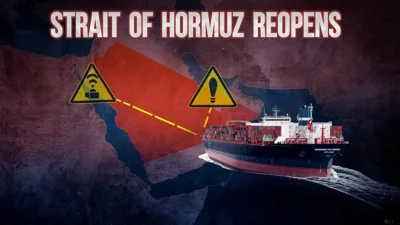
Reopening of the Strait of Hormuz: New Regulations to Impact Global Trade
Iran reopens the strategic Strait of Hormuz with new regulations affecting oil transport and global

Top 10 Must-See Attractions in NYC for First-Time Explorers
Discover essential experiences for first-time visitors to NYC, including attractions, culture, and i

Starbucks Engages Boyu Capital for Major Chinese Expansion
Starbucks teams up with Boyu Capital, selling a majority stake to boost growth and adapt to the Chin

Three Individuals Charged in Massive Meth Trafficking Case in Malaysia
In Malaysia, a married couple and another suspect are charged with trafficking 510kg of meth, facing