Post by : Saif Nasser
Syrian government forces have expanded their control across northern and eastern Syria after Kurdish-led forces abruptly withdrew from key areas, marking a major shift in the balance of power. The withdrawal by the Syrian Democratic Forces (SDF) follows days of fighting and a ceasefire agreement, consolidating President Ahmed al-Sharaa’s authority in the region.
The SDF, which had been the main U.S. ally in Syria, agreed to leave Raqqa and Deir al-Zor provinces under terms that require Kurdish fighters to integrate into Syria’s armed forces as individuals rather than as units. The agreement also involves surrendering control of prisons, border crossings, and oil and gas facilities that had been under SDF management for years.
The withdrawal sparked tensions, with both sides trading blame for violations of the ceasefire. Syrian authorities reported that a number of Islamic State prisoners escaped from a facility in Shaddadi, a city previously under SDF control. The government accused the SDF of releasing the prisoners, while the SDF said it lost control of the prison following an attack by government forces. The Syrian army denied attacking the facility and said it would work to recapture the escapees.
This shift comes after months of negotiations between Damascus and the SDF, mediated by the United States. While Turkish President Tayyip Erdogan welcomed the agreement, Kurdish leaders expressed dissatisfaction with some of its terms, particularly the requirement to integrate as individuals rather than units. Reports suggested that a recent meeting between SDF commander Mazloum Abdi and President Sharaa did not go smoothly, with Abdi requesting more time to discuss changes with his commanders.
Reuters journalists observed Syrian government troops deployed in Raqqa, which the SDF had captured from Islamic State in 2017, as well as at oil and gas facilities in Deir al-Zor. These areas are critical due to their economic and strategic importance, and the transfer of control represents the largest change in Syria’s territorial map since Islamist fighters toppled President Bashar al-Assad in 2024.
Despite the withdrawals, the SDF remains in control of most of Hasakah province in the northeast, including the Kurdish-majority city of Qamishli. The SDF media office said their forces had defended Shaddadi prison under repeated attacks from government factions, suffering dozens of casualties. The U.S.-led coalition against Islamic State, according to the SDF, did not intervene despite appeals for assistance.
The situation underscores the fragile security environment in Syria and the challenges of integrating different armed groups under a central authority. As government forces consolidate control, international observers remain cautious, noting that tensions could flare again if the SDF and Damascus fail to fully implement the integration and ceasefire terms. The focus on key infrastructure, prisons, and oil fields highlights both the strategic and political stakes in this ongoing conflict.




7.5 Magnitude Earthquake Strikes Japan, Tsunami Alerts Issued
Japan experiences a hefty 7.5 quake, prompting tsunami alerts and safety measures. Stay updated on a
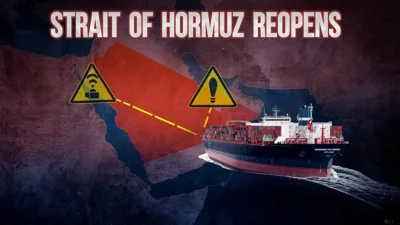
Reopening of the Strait of Hormuz: New Regulations to Impact Global Trade
Iran reopens the strategic Strait of Hormuz with new regulations affecting oil transport and global

Top 10 Must-See Attractions in NYC for First-Time Explorers
Discover essential experiences for first-time visitors to NYC, including attractions, culture, and i

Starbucks Engages Boyu Capital for Major Chinese Expansion
Starbucks teams up with Boyu Capital, selling a majority stake to boost growth and adapt to the Chin

Three Individuals Charged in Massive Meth Trafficking Case in Malaysia
In Malaysia, a married couple and another suspect are charged with trafficking 510kg of meth, facing