Post by : Saif Nasser
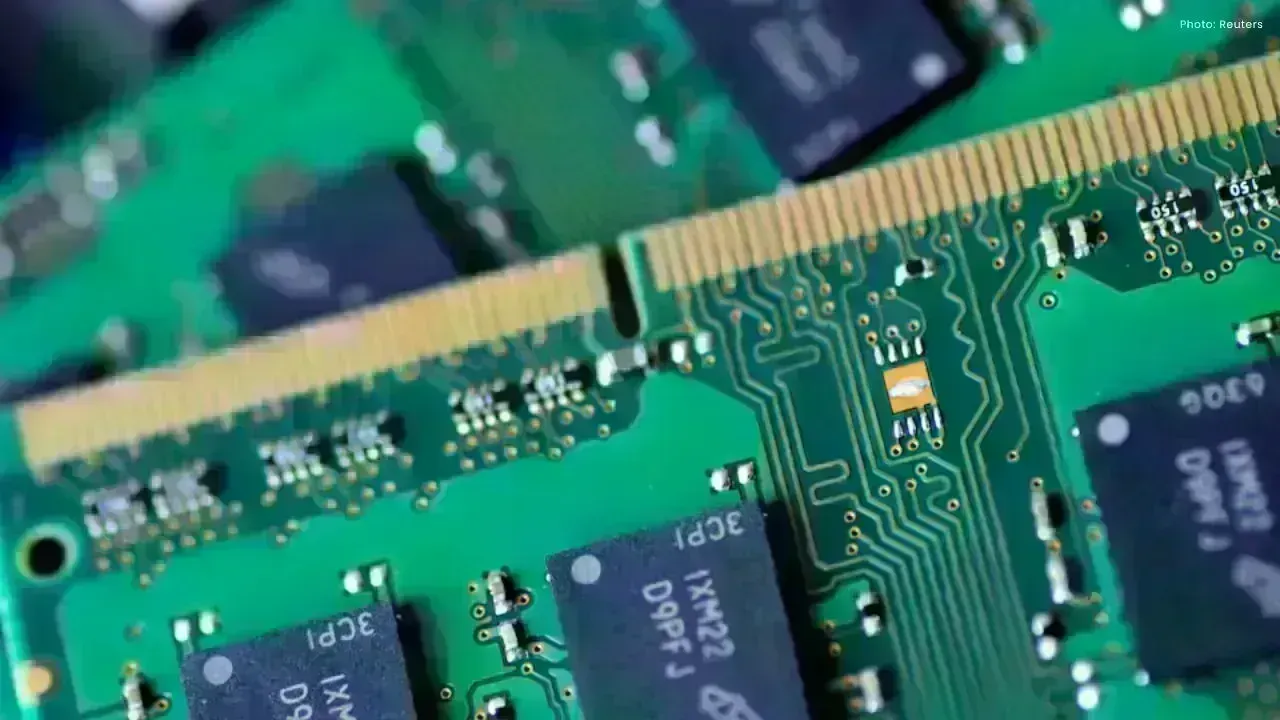
The global consumer electronics industry is facing fresh trouble as memory chip prices continue to rise sharply. Smartphones, personal computers, gaming consoles, and other popular devices are becoming more expensive to make, forcing companies to raise prices or accept lower profits. As a result, sales of these products are expected to slow this year.
The main reason behind the surge is the huge demand for artificial intelligence systems. Large technology companies are building powerful data centers that need massive amounts of memory chips. To earn higher profits, chip makers are supplying more memory to these AI projects instead of consumer electronics. This shift has reduced supply for everyday devices and pushed prices higher.
The world’s biggest memory chip producers have already said they are struggling to keep up with demand. Strong earnings from higher prices show how tight the market has become. But what helps chip makers is hurting electronics brands that rely on affordable memory to keep their products competitive.
Market researchers now expect global smartphone sales to fall by at least two percent this year. This is a sharp change from earlier predictions that expected growth. The personal computer market is also expected to shrink after showing strong recovery last year. Gaming consoles, which had seen rising demand, are now likely to see weaker sales as well.
Electronics manufacturers are facing difficult choices. Some are raising prices to cover higher costs, while others are trying to absorb part of the impact. Analysts warn that higher prices will discourage many buyers, especially at a time when families are already dealing with inflation and higher living costs.
Experts say the impact will be hardest on makers of low- and mid-range devices. These companies have smaller profit margins and less power to raise prices without losing customers. Brands that focus on budget smartphones, affordable laptops, and entry-level gadgets are likely to feel the pressure first.
Several companies have already warned customers about price increases. Industry leaders have openly said that memory chip costs have become painful and unavoidable. Retailers that depend on steady gadget sales may also suffer, as shoppers delay upgrades or skip purchases altogether.
Some analysts believe large premium brands may handle the situation better. Companies with strong supply networks, long-term contracts, and loyal customers can better absorb rising costs. These firms may protect their flagship product prices, at least in key markets.
Looking ahead, experts fear that high memory prices could last longer than expected. If AI demand continues to grow at the current pace, consumers may need to get used to more expensive electronics. For now, the memory chip shortage is reshaping the market, reminding the world how deeply connected everyday gadgets are to global technology trends.










Kazakhstan Boosts Oil Supply as US Winter Storm Disrupts Production
Oil prices inch down as Kazakhstan's oilfield ramps up production, countered by severe disruptions f

Return of Officer's Remains in Gaza May Open Rafah Crossing
Israel confirms Ran Gvili's remains identification, paving the way for the Rafah border crossing's p

Border 2 Achieves ₹250 Crore Globally in Just 4 Days: Sunny Deol Shines
Sunny Deol's Border 2 crosses ₹250 crore in 4 days, marking a significant breakthrough in global box

Delay in Jana Nayagan Release as Madras HC Bars Censorship Clearance
The Madras High Court halts the approval of Jana Nayagan's censor certificate, postponing its releas

Tragedy Strikes as MV Trisha Kerstin 3 Accident Leaves 316 Rescued
The MV Trisha Kerstin 3 met an unfortunate fate near Jolo, with 316 passengers rescued. The governme

Aryna Sabalenka Advances to Semi-Finals, Targeting Another Grand Slam Title
Top seed Aryna Sabalenka triumphed over Jovic and now faces Gauff or Svitolina in the semi-finals as