Post by : Sami Jeet
In our high-speed environment, stress is a constant challenge. This can arise from workplace demands, personal obstacles, or global events, and it can severely impact both mental and physical health. Nevertheless, by adopting mindful habits, strategic practices, and self-care routines, one can effectively navigate through stressful moments.
This article discusses actionable strategies to help maintain equilibrium, vitality, and resilience during tough times.
Your mental health is foundational to your overall wellness. Chronic stress can lead to concerns such as anxiety, depression, and burnout if left unaddressed.
Ways to Enhance Mental Health:
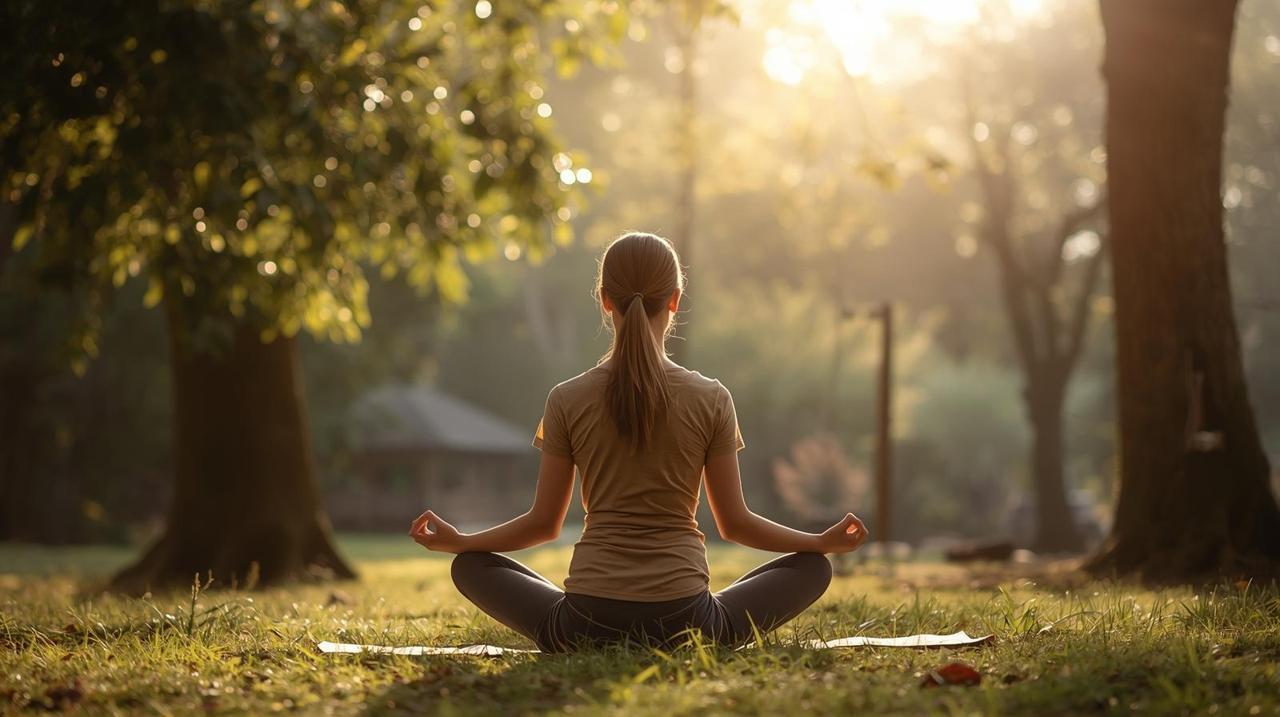
Mindfulness practices: Dedicate 10–15 minutes each day to meditate, breathe, or center yourself in the present moment.
Journaling: Documenting your thoughts, feelings, and reflections can help clear your mind.
Positive affirmations: Challenge negative thoughts with uplifting, empowering messages.
Professional help: Don’t hesitate to reach out to therapists or counselors if stress becomes unmanageable.
Prioritizing mental well-being enhances clarity, decision-making abilities, and emotional resilience.
Diet plays a crucial role in affecting both brain functionality and physical energy levels. A nutritious diet during stressful times bolsters your body's resilience.
Nutrition Tips:
Consume a mix of fruits, vegetables, whole grains, and lean proteins.
Minimize processed foods, sugary treats, and excessive caffeine, as these can elevate stress levels.
Stay well-hydrated by drinking ample water daily.
Incorporate omega-3 rich foods like salmon, flaxseed, and walnuts for brain support.
A nutritious diet bolsters energy stability, mood enhancement, and immune health.
Staying physically active is a potent method to manage stress and uphold overall health. It reduces stress hormones, boosts endorphins, and fosters better sleep.
Ways to Stay Active:
Opt for daily walks or light jogging.
Practice yoga or gentle stretching to alleviate tension.
Incorporate home workouts or muscle resistance training.
Take short activity breaks during work to recharge.
Consistent physical activity improves heart health, muscle strength, and mental wellness.
Mindfulness and relaxation techniques are essential for calming the nervous system and mitigating rising stress levels.
Effective Methods:
Deep breathing: Inhale for four counts, hold for four, and exhale for six. Repeat several times.
Progressive muscle relaxation: Tense and relax various muscle groups to alleviate physical tension.
Guided meditation: Use audio sessions or visualize serene spaces.
Engaging in these techniques boosts focus, emotional steadiness, and cognitive clarity.
Sleep is vital for healing the body and mind, particularly in demanding times. Inadequate sleep can heighten anxiety, impair immunity, and decrease productivity.
Improving Sleep Tips:
Keep a consistent sleep schedule throughout the week.
Avoid screens 30-60 minutes before bedding down.
Craft a cool, dark, and quiet bedroom environment.
Engage in calming activities like reading or meditative practices before sleeping.
Restful sleep fosters better cognitive function, emotional balance, and overall wellness.
Strong social connections are pivotal for mental and emotional fortitude. Sharing experiences or simply reaching out to loved ones can help alleviate stress and foster belonging.
Ways to Connect:
Organize regular calls or in-person gatherings with friends and family.
Consider joining local or online community groups.
Participate in group activities or shared interests.
Engaging socially enhances emotional grounding, insight, and comfort
Effectively managing your exposure to stress-inducing circumstances can significantly help in maintaining your wellness.
Practical Solutions:
Minimize interaction with distressing news and social media.
Limit contact with draining individuals.
Create positive, encouraging environments.
Establishing clear limits safeguards your mental clarity and emotional resilience.
Leisure pursuits can provide welcome mental breaks and enhance one's sense of well-being.
Self-Care Hobbies Include:
Creative activities like reading, painting, or writing.
Enjoying music or playing instruments.
Engaging in gardening, cooking, or crafting.
Regularly participating in enjoyable pastimes reduces stress and promotes mental relaxation.
Recognizing gratitude can enhance mood, reduce stress, and elevate overall satisfaction.
Ways to Express Gratitude:
Daily, note three things you're grateful for.
Express appreciation to those around you.
Before sleep, reflect on meaningful moments from the day.
Gratitude fosters positivity, resilience, and a sense of emotional well-being.
Stress often arises when work overshadows personal time. Striking a balance improves wellness and overall productivity.
Work-Life Balance Strategies:
Establish clear boundaries between work and leisure time.
Allocate breaks for relaxation.
Prioritize your tasks and delegate when feasible.
Achieving equilibrium can lessen burnout and mental strain.
Designed pauses throughout your day can relieve stress and enhance concentration.
Potential Techniques:
Take 2–3 minute breaks every hour to breathe deeply.
During breaks, focus on your surroundings and senses.
Stretch or take a brief walk to alleviate tension.
These outdoor moments rejuvenate energy, focus, and emotional balance.
Dependence on substances like alcohol or caffeine can worsen both stress and physical health.
Healthy Substitutes:
Choose herbal teas or flavored water instead of alcohol.
Moderate your caffeine intake.
Seek social and emotional support over unhealthy habits.
Reducing substance reliance enhances overall well-being, mental acuity, and resilience.
Disorder can heighten stress. Planning and creating structure can lower anxiety and elevate efficiency.
Organization Hacks:
Keep a daily agenda or to-do list.
Set priorities and opt for realistic targets.
Declutter both physical and digital spaces for tranquility.
A structured routine supports mental clarity, productivity, and stress reduction.
Stressful situations may trigger self-criticism. Showing kindness to yourself can bolster emotional resilience.
Self-Compassion Techniques:
Acknowledge your feelings without judgment.
Speak kindly to yourself, akin to how you’d address a friend.
Celebrate even small achievements.
Practicing self-compassion fosters emotional stability and self-confidence, aiding in navigating life's challenges.
In conclusion, maintaining wellness is largely about consistency. Minor daily practices accumulate into significant health benefits.
Examples of Minor Adjustments:
Start your day by drinking water.
Walk for 10 minutes during lunch.
Practice gratitude before sleeping.
Engage in deep breathing during work breaks.
Long-term benefits arise from maintaining physical, emotional, and mental resilience.
While stressful times are inevitable, they don’t have to derail your mental and physical health. By integrating practical methods such as mindful habits, sound nutrition, regular exercise, good quality sleep, social connections, and self-kindness, you can sustain balance and strength.
Establishing small, consistent practices forms a robust base for ongoing well-being, ensuring you remain healthy, focused, and vibrant even during high-stress episodes. Initiate a few changes today, and smoothly incorporate these tactics into your life for a healthier, resilient self.










Anticipated Dates for UAE Eid Al Adha 2026 Unveiled by Astronomical Experts
Experts predict Eid Al Adha 2026 in the UAE to start on May 27, prompting early holiday planning amo

DAE Achieves Remarkable Growth in Q1 2026 With Record Revenue
Dubai Aerospace Enterprise announces impressive financial results for Q1 2026, reflecting a surge in

Price Increase for Sony PS5 in Southeast Asia Effective May 1
Sony announces a price increase for the PS5 across Southeast Asia starting May 1, 2026, impacting ga

Potential ‘Super El Niño’ in 2026: Understanding the Climate Risks
Could a Super El Niño emerge in 2026? Discover its implications and potential global climate impacts

Global Energy Crisis Intensifies: Markets React to Oil Supply Challenges
Markets are on edge as oil disruptions escalate, influencing prices and economic stability. Explore

Must-See Tourist Spots in London You Can't Overlook
Explore London's essential attractions, from royal landmarks to vibrant markets, ensuring an unforge




