Post by : Saif Nasser
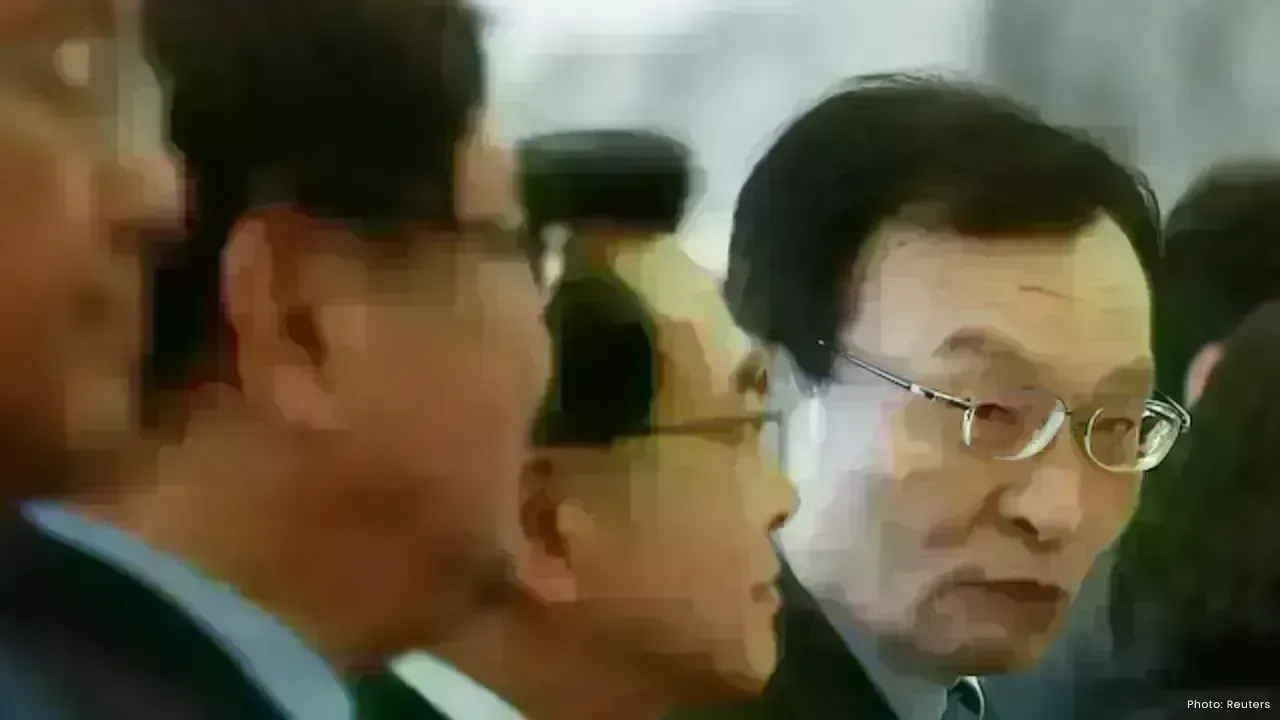
South Korea is mourning the death of former Prime Minister Lee Hae-chan, a senior political leader who played a major role in guiding the country toward democracy. Lee passed away at the age of 73 while on an official visit to Ho Chi Minh City in Vietnam. His sudden death has drawn condolences from leaders across South Korea and abroad, highlighting his lasting influence on the nation’s political life.
According to official statements, Lee suffered a heart attack on Sunday and received emergency medical treatment. Despite efforts by Vietnamese medical teams and coordination with South Korean officials, his condition was too serious. Vietnam’s government expressed deep sympathy to South Korea and to Lee’s family, noting that all possible medical support was provided.
President Lee Jae Myung described the former prime minister as a “great mentor” in South Korea’s democratic history. He said Lee dedicated his entire life to defending and strengthening democratic values during some of the country’s most difficult years. The president’s words reflected the respect Lee earned across generations for his commitment to freedom, reform, and public service.
Lee Hae-chan’s political journey closely followed South Korea’s struggle for democracy. He began as a student activist in the 1970s, a time when political dissent was harshly punished. For leading democracy movements, he was jailed, an experience that shaped his strong beliefs and determination. Instead of stepping away from politics, Lee continued to fight for change through peaceful and democratic means.
Over the years, Lee became one of South Korea’s most experienced lawmakers, serving seven terms as a member of parliament. From 2004 to 2006, he served as prime minister and focused on government reforms aimed at improving transparency and efficiency. Known for his sharp words and strong positions, he often clashed with opponents but was widely respected as a skilled strategist.
Lee also played a key role behind the scenes, helping four liberal presidents, including the current leader, win office. Until his final days, he remained active in national affairs. He was serving as the civilian head of the Peaceful Unification Advisory Council, which advises the government on policy toward North Korea. He had traveled to Vietnam to attend a meeting of this council when he fell ill.
Even political rivals acknowledged his importance. The conservative opposition People Power Party said Lee’s death marked the closing of an important chapter in South Korea’s political history. Many observers say his life story reflects the country’s journey from authoritarian rule to a strong democracy.
As South Korea remembers Lee Hae-chan, his legacy stands as a reminder that democracy requires courage, sacrifice, and long-term commitment. From a jailed student activist to prime minister and national adviser, Lee remained devoted to democratic values throughout his life. His influence will continue to shape South Korean politics for years to come.







7.5 Magnitude Earthquake Strikes Japan, Tsunami Alerts Issued
Japan experiences a hefty 7.5 quake, prompting tsunami alerts and safety measures. Stay updated on a

Reopening of the Strait of Hormuz: New Regulations to Impact Global Trade
Iran reopens the strategic Strait of Hormuz with new regulations affecting oil transport and global

Top 10 Must-See Attractions in NYC for First-Time Explorers
Discover essential experiences for first-time visitors to NYC, including attractions, culture, and i

Starbucks Engages Boyu Capital for Major Chinese Expansion
Starbucks teams up with Boyu Capital, selling a majority stake to boost growth and adapt to the Chin

Three Individuals Charged in Massive Meth Trafficking Case in Malaysia
In Malaysia, a married couple and another suspect are charged with trafficking 510kg of meth, facing