Post by : Vansh
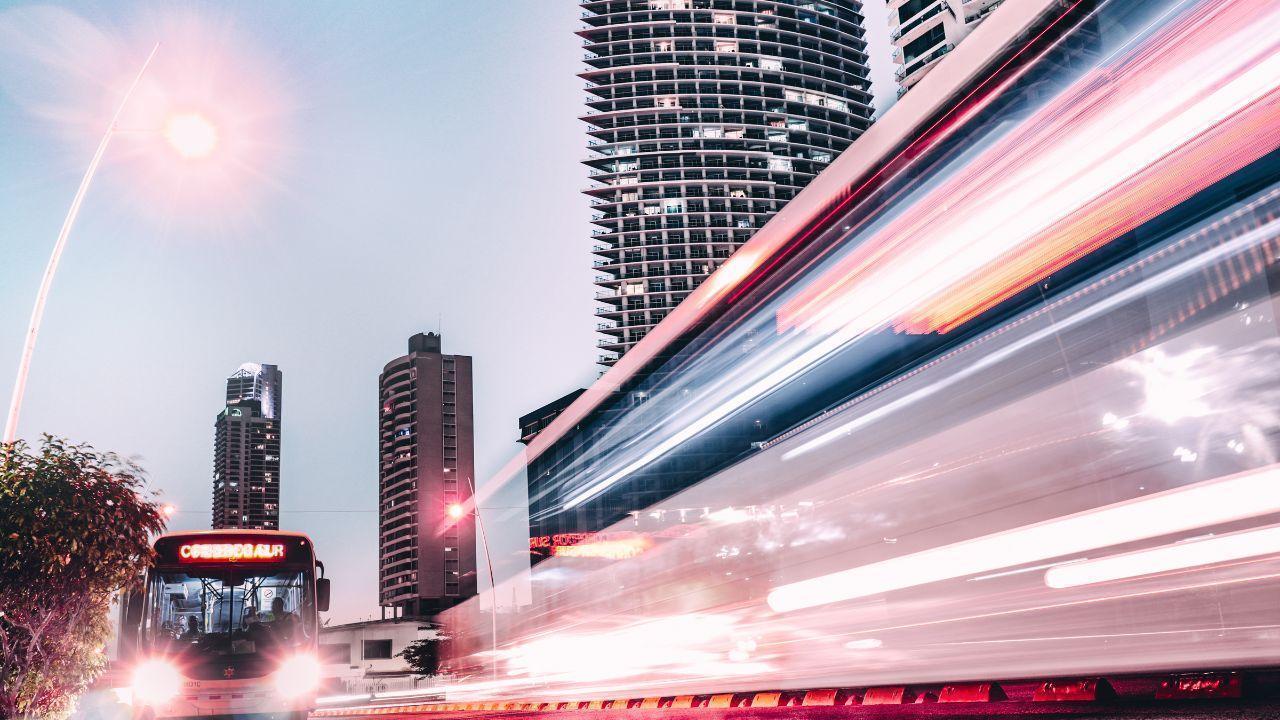
In an age where technology is reshaping every aspect of life, the rise of smart cities has become one of the most transformative global developments. These modern urban spaces are designed to integrate digital solutions, data-driven planning, and sustainable innovations that enhance the quality of life for citizens. From smarter transportation networks to eco-friendly infrastructure, smart cities are redefining how we live, work, and interact with our environment.
The concept of smart cities goes beyond just adopting digital technology. It envisions a holistic transformation where connectivity, efficiency, and sustainability converge. Governments, urban planners, and technology companies are collaborating to create environments that not only support rapid urbanization but also make daily living easier and more efficient. By using real-time data, cities can anticipate needs, manage resources, and reduce waste.
The development of digital innovation is central to smart city infrastructure. Internet of Things (IoT) devices, artificial intelligence (AI), and big data analytics are deployed to connect everything from streetlights to public transport systems. For example, IoT sensors can monitor air quality, traffic congestion, and energy usage, providing authorities with insights that help make quick, effective decisions. This kind of data-driven approach ensures that services are delivered more efficiently, improving the everyday lives of citizens.
One of the biggest challenges cities face today is sustainability. With rising populations and increasing energy consumption, environmental impact is a growing concern. Urban sustainability lies at the heart of smart city planning. From solar-powered buildings to green public spaces, these cities integrate eco-friendly solutions that reduce carbon footprints. For example, many smart cities are adopting renewable energy sources, smart grids, and electric public transport to minimize emissions while maximizing efficiency.
Water conservation systems, waste recycling, and green construction methods are also being integrated into city planning. These innovations not only protect the environment but also promote healthier lifestyles for citizens.
This article is intended for informational purposes only. The insights shared are based on general research and emerging global trends. Readers are encouraged to verify details and seek expert advice before making any decisions related to urban development, technology, or sustainability. Published by MiddleEastBulletin news network.






Anticipated Dates for UAE Eid Al Adha 2026 Unveiled by Astronomical Experts
Experts predict Eid Al Adha 2026 in the UAE to start on May 27, prompting early holiday planning amo

DAE Achieves Remarkable Growth in Q1 2026 With Record Revenue
Dubai Aerospace Enterprise announces impressive financial results for Q1 2026, reflecting a surge in

Price Increase for Sony PS5 in Southeast Asia Effective May 1
Sony announces a price increase for the PS5 across Southeast Asia starting May 1, 2026, impacting ga

Potential ‘Super El Niño’ in 2026: Understanding the Climate Risks
Could a Super El Niño emerge in 2026? Discover its implications and potential global climate impacts

Global Energy Crisis Intensifies: Markets React to Oil Supply Challenges
Markets are on edge as oil disruptions escalate, influencing prices and economic stability. Explore

Must-See Tourist Spots in London You Can't Overlook
Explore London's essential attractions, from royal landmarks to vibrant markets, ensuring an unforge




