Post by : Vansh
In today’s rapidly evolving world, urbanization is accelerating at an unprecedented pace. As cities grow, the need for sustainable development becomes critical to ensure a healthier environment for future generations. Smart Cities are emerging as a transformative solution, leveraging advanced technologies to create more efficient, eco-friendly, and sustainable urban spaces. These cities are not just about modern architecture or high-tech gadgets; they are about integrating technology into everyday life to reduce environmental impact, enhance resource management, and improve the quality of life for citizens.
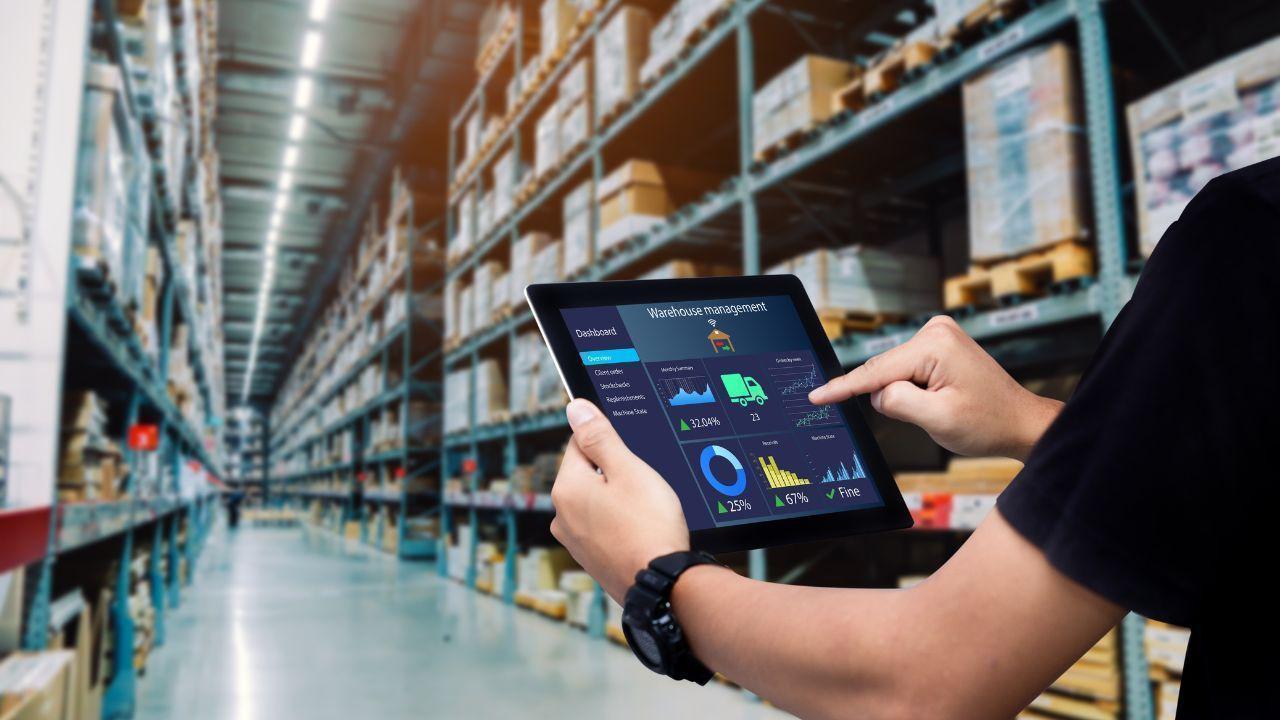
A smart city uses digital technologies, data analytics, and IoT (Internet of Things) solutions to manage resources effectively. By connecting infrastructure, public services, and citizens through intelligent networks, smart cities can optimize energy use, reduce waste, and promote greener living. For instance, sensors in streetlights can adjust brightness based on pedestrian activity, while smart grids ensure electricity is used efficiently. This integration of technology makes urban areas more responsive, resilient, and environmentally responsible.
At the heart of smart cities is technology driving sustainability. Renewable energy sources such as solar panels and wind turbines are integrated with intelligent energy management systems to reduce dependence on fossil fuels. Smart meters allow households and businesses to monitor and manage their energy consumption in real-time, minimizing wastage. Additionally, AI-powered traffic management systems reduce congestion and emissions by optimizing traffic flow and promoting public transport. Technology not only reduces carbon footprints but also fosters a culture of environmental awareness among citizens.
Sustainable urban planning is essential for building greener cities. Green infrastructure—including parks, green roofs, and urban forests—helps mitigate urban heat, improve air quality, and enhance biodiversity. Smart cities employ data-driven planning tools to design spaces that maximize green cover while ensuring efficient transportation and energy systems. By combining ecological considerations with technology, these cities create a harmonious balance between urban development and environmental conservation.
Waste management is a critical challenge in urban areas. Smart cities are revolutionizing this sector through technology-driven sustainability initiatives. Sensors in waste bins monitor fill levels, enabling optimized collection routes and reducing fuel consumption. Moreover, data analytics support recycling programs and promote a circular economy where materials are reused, repurposed, or recycled rather than discarded. By integrating technology into waste management, cities can drastically cut landfill use and minimize environmental pollution.
Water scarcity is another pressing concern for urban areas. Smart cities employ IoT-enabled water management systems to monitor consumption, detect leaks, and ensure equitable distribution. Intelligent irrigation systems use real-time data to water public parks and gardens efficiently, conserving water while supporting green spaces. Smart utilities contribute to a sustainable urban ecosystem by reducing resource wastage and promoting responsible consumption.
This content is intended for informational purposes only for readers by MiddleEastBulletin news network. The views expressed do not necessarily reflect the opinions of the network, and readers are encouraged to verify facts independently before making decisions based on the information provided.






Anticipated Dates for UAE Eid Al Adha 2026 Unveiled by Astronomical Experts
Experts predict Eid Al Adha 2026 in the UAE to start on May 27, prompting early holiday planning amo

DAE Achieves Remarkable Growth in Q1 2026 With Record Revenue
Dubai Aerospace Enterprise announces impressive financial results for Q1 2026, reflecting a surge in

Price Increase for Sony PS5 in Southeast Asia Effective May 1
Sony announces a price increase for the PS5 across Southeast Asia starting May 1, 2026, impacting ga

Potential ‘Super El Niño’ in 2026: Understanding the Climate Risks
Could a Super El Niño emerge in 2026? Discover its implications and potential global climate impacts

Global Energy Crisis Intensifies: Markets React to Oil Supply Challenges
Markets are on edge as oil disruptions escalate, influencing prices and economic stability. Explore

Must-See Tourist Spots in London You Can't Overlook
Explore London's essential attractions, from royal landmarks to vibrant markets, ensuring an unforge




