Post by : Anees Nasser
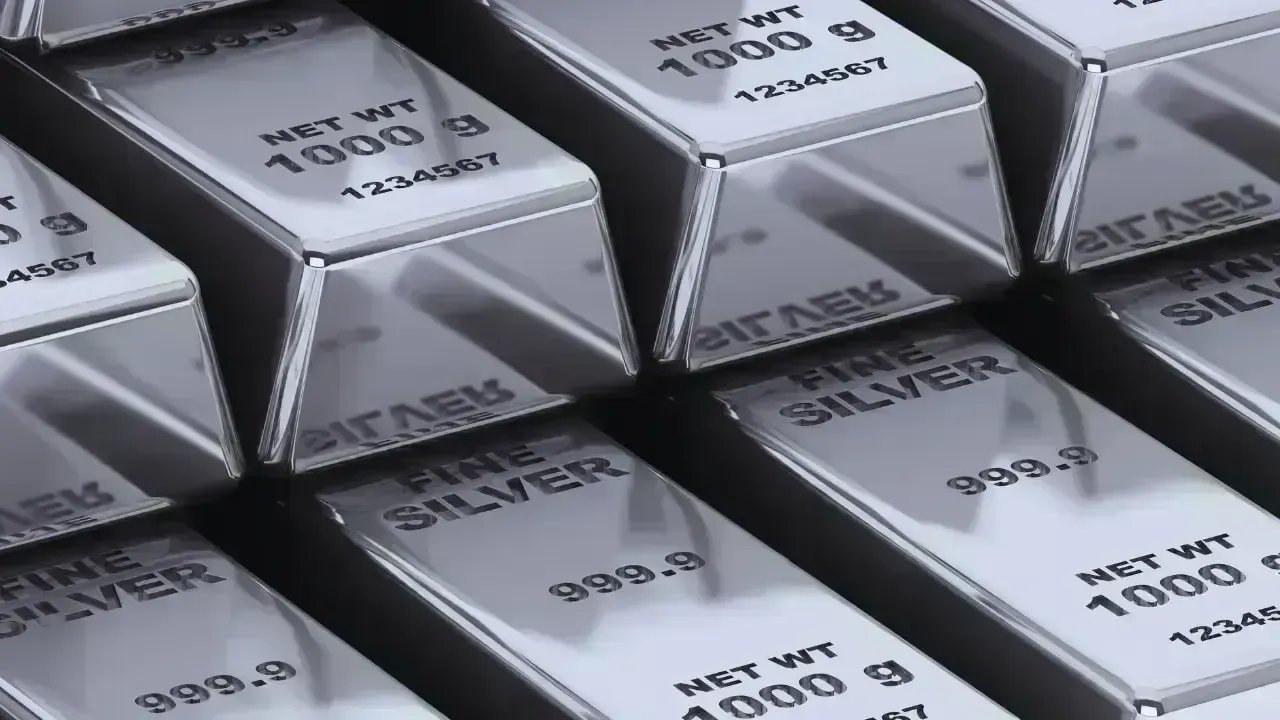
Silver prices experienced a significant uptick, soaring nearly 6% within just one trading session, reaching an unprecedented high above ₹2,54,000 per kilogram in India. This sudden rise caught both traders and long-term investors off guard, especially given silver’s impressive performance outpacing gold and other asset classes recently.
This escalation is influenced by a mix of domestic and international factors. Positive global indicators, heightened industrial demand forecasts, and a growing interest in precious metals as a safeguard against economic uncertainties are all contributing factors. The situation was further intensified by constructive buying momentum and short position closures, swiftly driving prices into new territory.
The speed of this increase makes it particularly noteworthy. Unlike gradual price increases, the recent surge in silver has been quite rapid, prompting vital questions for investors: Is this rally sustainable, or is it time to proceed with caution?
One of the principal factors fueling silver's rise is the overall upward trend in the precious metals market globally. Gold prices have remained steady, aided by expectations of looser monetary policies, ongoing geopolitical tensions, and central banks diversifying their reserves. Silver, often viewed as more volatile than gold, tends to amplify these trends.
When confidence in conventional currencies wavers or inflation expectations climb, silver becomes an appealing option for both speculative and conservative investors. This dual applicability—as both a precious metal and an industrial commodity—affords silver an advantage during periods of global instability.
Unlike gold, silver is extensively used in industrial applications, from electronics and medical technology to electric vehicles and renewable energy systems. The global shift toward cleaner energy solutions has significantly increased silver's demand, especially for solar energy installations.
With anticipations of increased infrastructure projects and energy transition initiatives worldwide, silver demand forecasts are showing promise. Markets typically price in future demand ahead of actual consumption, which in part explains the recent aggressive price increases.
Silver prices often demonstrate an inverse relationship with the US dollar and interest rates. Recent indicators suggest a more accommodating global monetary policy environment, which has exerted pressure on bond yields and the dollar. This situation makes non-yielding assets like silver all the more appealing.
As real interest rates decrease, the cost of holding precious metals diminishes. This environment encourages both institutional and retail investors to direct more investments toward commodities such as silver.
In India, silver pricing is affected not only by global trends but also by fluctuations in currency values. A weaker rupee amplifies gains from international markets, which has driven domestic prices higher despite modest increases globally.
This currency dynamic has been crucial in pushing silver prices beyond the ₹2,54,000 per kg threshold, aligning with global momentum in the Indian market.
Historically, silver has been more accessible to retail investors than gold due to its lower price per unit. With growing awareness through digital media and commodity exchanges, there’s been a steady increase in participation in silver trading, both in futures and physical holdings.
The recent rally has attracted momentum investors, contributing to the upward trajectory. As trading volumes increase, price swings often escalate, which is evident in the current market behavior.
While gold remains the go-to asset for security, silver has notably outperformed it recently. Historically, silver tends to outperform gold during bullish commodity cycles due to its smaller market capitalization and inherent volatility.
The contraction of the gold-silver ratio, commonly utilized by analysts to assess relative values, indicates silver's robust positioning. Such periods typically occur when markets project sustained economic activity amidst inflationary pressures.
Silver's volatility presents both opportunities and risks. While rapid gains are feasible during bullish phases, it can also lead to steep corrections. Investors should be aware that silver rarely experiences linear movement and may test patience on both sides of the trade.
Recent silver supply growth has been modest. Mining outputs have struggled to keep pace with the increasing demand, primarily due to rising extraction costs and regulatory hurdles. A significant portion of silver production comes as a byproduct of mining for other metals, which restricts the industry’s ability to quickly boost output.
This supply-demand disparity bolsters the fundamental case for higher prices in the medium to long term.
Silver's role as an inflation protective asset has gained significance as investors seek to preserve purchasing power. Additionally, the diversification advantages have prompted portfolio managers to allocate portions of their assets towards precious metals beyond gold.
From a fundamental perspective, the rally is supported by prevailing macro trends, though the swift rise necessitates some caution.
Silver prices have convincingly surpassed previous resistance levels, entering a price discovery phase. In such circumstances, historical resistance benchmarks are absent, leading to a greater emphasis on momentum indicators and volume trends rather than traditional price points.
Significant volumes accompanying this surge suggest genuine buying interest rather than speculative movements fueled by low liquidity.
However, short-term technical indicators signal overbought conditions. When prices ascend too rapidly, markets typically pause or retract to consolidate gains. This doesn't necessarily indicate a reversal, but it heightens the likelihood of consolidation or minor pullbacks.
Investors with a long-term outlook who believe in the sustained demand narrative for silver may see any near-term price corrections as a chance to buy. The global trend towards electrification, renewable energy, and digital innovations supports robust demand growth.
If global monetary conditions stay favorable and geopolitical challenges remain, silver could continue to pull in investments, driving prices up further over time.
For short-term traders or those who entered positions at more favorable prices, taking partial profits could be a wise strategy. Securing gains assists in managing risk, especially after such a sharp rally.
Market movements rarely progress without pauses, and some cooling off could be beneficial. Profit-taking does not imply a total exit from silver, but instead suggests a rebalancing of exposure.
Traders with short-term focuses should exercise caution given the elevated price levels. Volatility is expected to remain significant, with sharp intraday price swings testing stop-loss measures. A disciplined risk management strategy is crucial.
Medium-term investors may opt to hold their positions while adjusting stop-loss levels upward. This strategy allows participation in potential further gains while safeguarding accumulated profits.
For long-term investors, silver remains an appealing asset for diversification. Instead of reacting impulsively to daily market fluctuations, a strategy focusing on gradual accumulation during dips may prove more effective.
While equities offer growth linked to corporate earnings, silver serves as a means of diversification and a protective measure during volatile times. Both asset classes tend to perform favorably under varying macroeconomic conditions, making silver an effective hedge.
In comparison to real estate and other physical assets, silver offers enhanced liquidity and transparency. However, it lacks yield, which means returns are solely dependent on price increases.
Silver's history is characterized by rapid upswings followed by significant pullbacks. Investors should prepare for volatility and avoid becoming overexposed.
Sudden changes in global monetary policy or unexpected strength in the dollar could create short-term pressure on silver prices. Staying attuned to macroeconomic developments will be crucial.
Silver may experience a period of consolidation or minor profit-taking following the recent surge. Such phases are typical and help reset technical metrics.
In the medium to long term, the outlook remains favorable. Structural demand factors, supply limitations, and silver's role as a prized industrial and precious metal align to support the bullish perspective.
The spike in silver prices reaching over ₹2,54,000 per kg represents a pivotal moment for the commodity market. The surge is grounded in solid fundamentals and global trends; however, the rapid pace necessitates vigilance.
Instead of adopting an all-or-nothing mindset, a well-rounded investment strategy may be beneficial—retaining core long-term positions while also managing short-term exposures through prudent profit-taking or disciplined risk management measures.
In today's uncertain environment, silver has reaffirmed its distinctive role within investment portfolios.
Disclaimer:
This article is for educational purposes only and should not be interpreted as investment advice. Commodity prices are volatile and influenced by numerous factors. Readers are encouraged to conduct personal research or consult with a financial advisor before making any investment choices.










Anticipated Dates for UAE Eid Al Adha 2026 Unveiled by Astronomical Experts
Experts predict Eid Al Adha 2026 in the UAE to start on May 27, prompting early holiday planning amo

DAE Achieves Remarkable Growth in Q1 2026 With Record Revenue
Dubai Aerospace Enterprise announces impressive financial results for Q1 2026, reflecting a surge in

Price Increase for Sony PS5 in Southeast Asia Effective May 1
Sony announces a price increase for the PS5 across Southeast Asia starting May 1, 2026, impacting ga

Potential ‘Super El Niño’ in 2026: Understanding the Climate Risks
Could a Super El Niño emerge in 2026? Discover its implications and potential global climate impacts

Global Energy Crisis Intensifies: Markets React to Oil Supply Challenges
Markets are on edge as oil disruptions escalate, influencing prices and economic stability. Explore

Must-See Tourist Spots in London You Can't Overlook
Explore London's essential attractions, from royal landmarks to vibrant markets, ensuring an unforge




