
Post by : Shakul
In a recent statement, Republican Senator Lindsey Graham voiced his apprehensions regarding Pakistan's potential role as a mediator in the escalating conflict between the United States and Iran. Addressing this issue in Washington, Graham characterized Pakistan's engagement as “problematic” while examining the current state of regional diplomacy and tensions in the Middle East.
These remarks followed the comments made by Pakistan's Defence Minister Khwaja Asif, who expressed his disapproval regarding Islamabad's participation in the Abraham Accords. This set of diplomatic agreements aims to enhance political, economic, and security relations between Israel and several Arab nations.
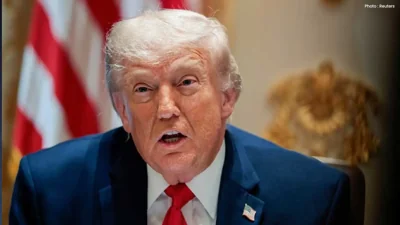
Graham pointedly encouraged Pakistan to align its response with U.S. President Donald Trump’s broader diplomatic aspirations concerning the Middle East. Trump has consistently advocated for nations serving as mediators to back peace initiatives and foster regional collaboration through frameworks associated with the Accords.
This matter has garnered significant global attention as Pakistan has a long-standing position of supporting the Palestinian cause and has yet to officially recognize Israel. Political analysts suggest that Pakistan's stance complicates its ability to engage in Middle Eastern negotiations, attracting scrutiny from major global players.
In response, Defence Minister Khwaja Asif emphasized the importance of deliberating Pakistan’s diplomatic ambitions and responsibilities before making any commitments to the Abraham Accords. His remarks highlighted the ongoing discussions within Pakistan regarding its relations with Israel and its role in international disputes.
Analysts interpret Graham's statements as reflecting rising anxiety among certain U.S. lawmakers about the strategic realignment of nations involved in mediation efforts amid the Iran crisis. The U.S. is reportedly eager to identify dependable regional partners as tensions increase throughout the region.
Initially introduced in 2020, the Abraham Accords facilitated the normalization of ties between Israel and several nations, including the United Arab Emirates, Bahrain, Morocco, and Sudan. Since their inception, these agreements have become a focal point of U.S. diplomatic strategy in the area.
Experts assert that Pakistan now encounters a complicated diplomatic balancing act, needing to uphold its historical foreign policy perspectives while addressing the growing international demand linked to initiatives for regional stability and peace.
These developments unfold against a backdrop of intricate geopolitical tensions involving Iran, Israel, and the United States, which are significantly impacting global diplomacy, trade routes, and security issues in West Asia.






Meta Unveils Subscription Plans for Instagram, Facebook, and WhatsApp
Meta introduces new subscription plans for users of Instagram, Facebook, and WhatsApp, featuring enh

Suvarna Joy on Education Leadership, Resilience, and Building Purpose Through Adversity in the UAE
Suvarna Joy shares her journey of education leadership, motherhood, faith, and resilience within the

Anticipated Dates for UAE Eid Al Adha 2026 Unveiled by Astronomical Experts
Experts predict Eid Al Adha 2026 in the UAE to start on May 27, prompting early holiday planning amo

DAE Achieves Remarkable Growth in Q1 2026 With Record Revenue
Dubai Aerospace Enterprise announces impressive financial results for Q1 2026, reflecting a surge in

Price Increase for Sony PS5 in Southeast Asia Effective May 1
Sony announces a price increase for the PS5 across Southeast Asia starting May 1, 2026, impacting ga

Potential ‘Super El Niño’ in 2026: Understanding the Climate Risks
Could a Super El Niño emerge in 2026? Discover its implications and potential global climate impacts




