Post by : Anees Nasser
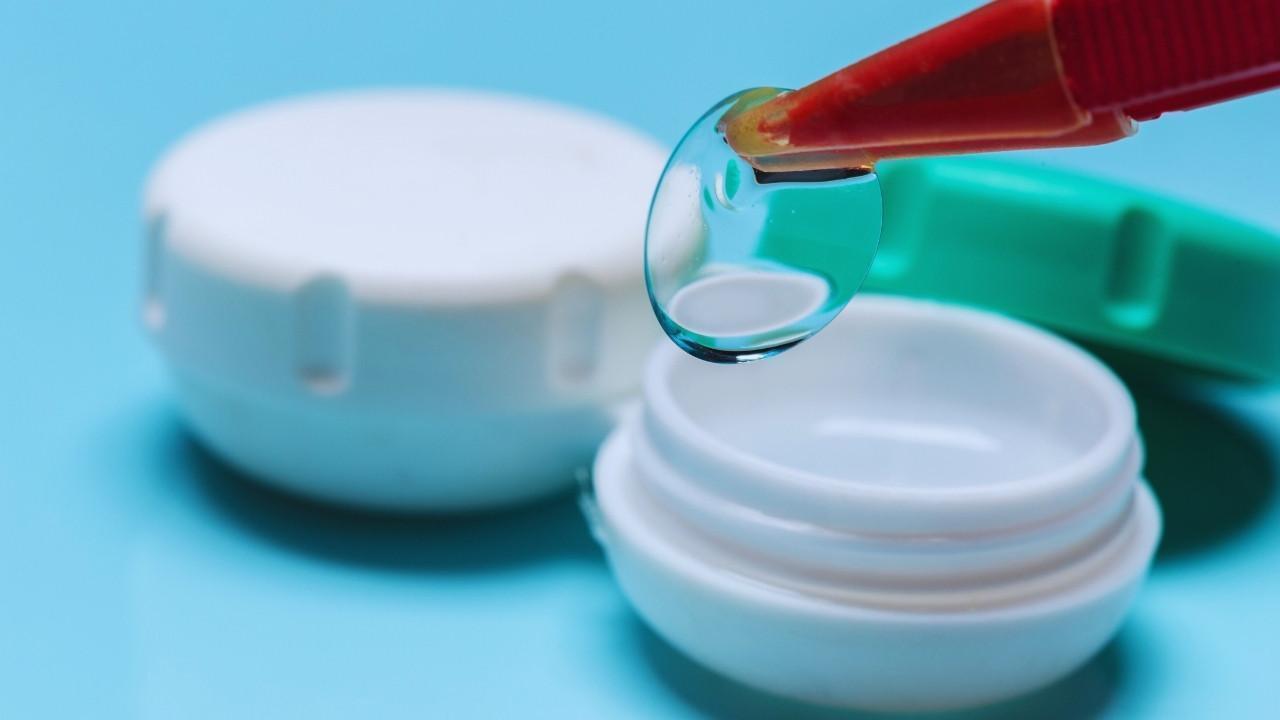
Imagine walking through a dark street without a flashlight, or performing critical tasks in low-light environments, and being able to see as clearly as in daylight. Night-vision contact lenses are turning this science-fiction concept into a tangible reality. Unlike traditional night-vision goggles, which are bulky and limit mobility, these lenses aim to integrate night vision directly into human sight. Researchers are working on developing materials and technologies that can amplify ambient light and overlay it directly onto the wearer’s vision.
The implications of this technology are vast. Military personnel could operate more safely at night, rescue teams could navigate in complete darkness, and even everyday users could benefit from improved vision in dimly lit environments. Beyond practical use, these lenses mark a significant step forward in wearable technology, blending biology and electronics in unprecedented ways.
At the core of these lenses is a combination of microelectronics, photodetectors, and adaptive optics. Essentially, the lenses contain microscopic sensors capable of detecting infrared and low-intensity visible light. These sensors convert incoming light into signals that can be interpreted by the eye or augmented through an overlay on the lens itself.
Some designs incorporate flexible, transparent materials that embed tiny circuits without obstructing normal vision. Others use nanomaterials that enhance the eye’s natural sensitivity to low-light conditions. The ultimate goal is to create lenses that function seamlessly, allowing users to switch between normal vision and night-vision capabilities without cumbersome equipment.
While military and law enforcement use of night-vision technology is well-established, integrating it into contact lenses could make it more accessible for civilian purposes. Urban environments with poor street lighting, outdoor activities such as camping, and emergency scenarios are potential applications where night-vision lenses could enhance safety.
For individuals with visual impairments or age-related low-light vision problems, these lenses could offer a form of artificial enhancement, improving quality of life. The technology also has potential applications in sports, security, and even gaming, creating interactive experiences where low-light perception becomes a new dimension of engagement.
Beyond practical vision enhancement, night-vision lenses could support medical and research applications. Surgeons could perform complex procedures in low-light or minimally invasive conditions, and researchers working in nocturnal field studies could navigate environments more safely.
The technology may also inform studies in neurology and optometry. Understanding how the human brain integrates augmented night vision could provide insights into visual processing, sensory adaptation, and even cognitive load management. In essence, these lenses are not just tools for seeing in the dark—they are instruments for expanding human perception.
Despite the excitement, several challenges remain before night-vision lenses become commercially available. Integrating sensors, power sources, and signal processors into a small, flexible, and safe contact lens requires cutting-edge materials and engineering. Ensuring biocompatibility is critical, as any foreign object in contact with the eye must avoid irritation or infection.
Power supply is another hurdle. Current prototypes rely on microbatteries or wireless energy transfer, which must be optimized for long-term, safe use. Additionally, regulatory approvals for medical devices will require extensive testing to ensure that the lenses do not harm vision or interfere with normal eye function.
As with any technology that enhances human perception, night-vision lenses raise ethical and privacy concerns. Users could potentially see in conditions where privacy is expected, such as private homes or restricted areas. Policymakers and developers will need to consider regulations and ethical guidelines to prevent misuse while enabling legitimate applications.
Moreover, augmented vision could widen gaps between individuals with access to the technology and those without. Ensuring equitable access and considering social implications will be key in determining how these lenses are integrated into society.
Night-vision contact lenses represent the convergence of biotechnology, materials science, and human augmentation. While current prototypes are still experimental, the trajectory of development suggests that wearable vision enhancement will become more compact, efficient, and integrated into daily life.
As researchers overcome material, power, and safety challenges, night-vision lenses could shift from niche military applications to widely used civilian devices. The ability to see clearly in darkness may soon be as simple as wearing contact lenses, reshaping safety, accessibility, and the very concept of human vision.
This article discusses ongoing research and experimental prototypes in night-vision contact lens technology. The devices are not yet commercially available, and the technology is subject to regulatory approval and further scientific validation. Readers should consult professional guidance for vision-related solutions.









Anticipated Dates for UAE Eid Al Adha 2026 Unveiled by Astronomical Experts
Experts predict Eid Al Adha 2026 in the UAE to start on May 27, prompting early holiday planning amo

DAE Achieves Remarkable Growth in Q1 2026 With Record Revenue
Dubai Aerospace Enterprise announces impressive financial results for Q1 2026, reflecting a surge in

Price Increase for Sony PS5 in Southeast Asia Effective May 1
Sony announces a price increase for the PS5 across Southeast Asia starting May 1, 2026, impacting ga

Potential ‘Super El Niño’ in 2026: Understanding the Climate Risks
Could a Super El Niño emerge in 2026? Discover its implications and potential global climate impacts

Global Energy Crisis Intensifies: Markets React to Oil Supply Challenges
Markets are on edge as oil disruptions escalate, influencing prices and economic stability. Explore

Must-See Tourist Spots in London You Can't Overlook
Explore London's essential attractions, from royal landmarks to vibrant markets, ensuring an unforge




