Post by : Saif Nasser
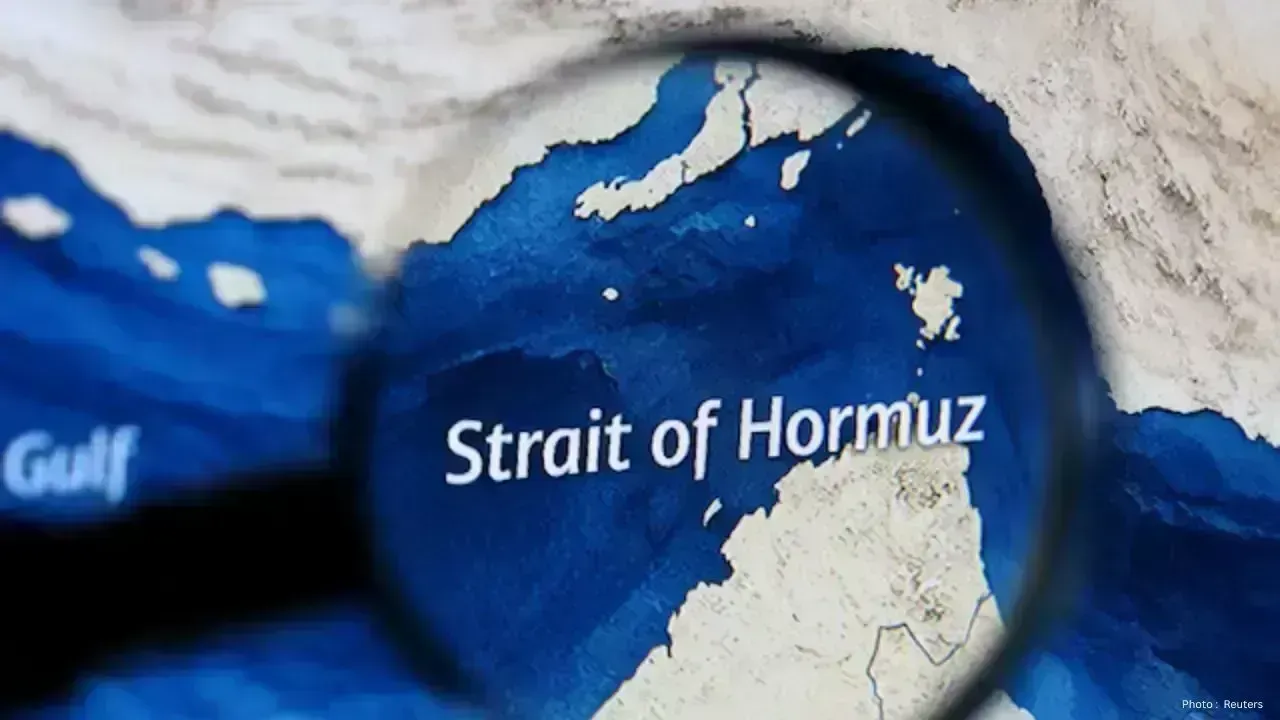
A new type of scam is targeting the global shipping industry, with fake messages offering ships “safe transit” through the Strait of Hormuz. Security experts have raised concerns that these messages could create confusion and increase risks in one of the world’s busiest and most sensitive sea routes.
The Strait of Hormuz is a key passage for oil and trade, connecting the Persian Gulf to the open sea. A large portion of the world’s oil supply passes through this narrow route every day. Because of its importance, any disruption or false information can have serious global effects.
According to a maritime security firm, unknown groups are sending messages to ships, claiming they can guarantee safe passage through the area. These messages often appear official and may use technical language to look real. However, experts say they are completely false and are designed to trick ship operators.
The timing of these scams is important. Tensions in the region have increased due to ongoing geopolitical issues. This has made ship crews more cautious and more likely to look for ways to stay safe. Scammers are taking advantage of this fear by offering fake solutions.
Experts warn that following such fake instructions can be dangerous. Ships may be directed to unsafe routes or asked to share sensitive information. In some cases, these scams could even be linked to attempts to track or target vessels. This creates serious risks for both crew members and cargo.
Authorities are advising all shipping companies to ignore such messages and rely only on official communication channels. Trusted sources include government agencies and recognized maritime security organizations. Verification of any unusual message is strongly recommended.
The issue also highlights the growing role of cyber threats in global trade. As shipping becomes more digital, it also becomes more vulnerable to online scams and misinformation. Experts say that stronger cybersecurity measures are now essential for protecting maritime operations.
For countries that depend on oil and trade passing through the Strait of Hormuz, this development is worrying. Any confusion or disruption in the area can quickly affect supply chains and energy markets around the world.
Shipping companies are now being urged to train their staff to recognize such scams. Awareness is seen as the first line of defense. By understanding how these scams work, crews can avoid falling into traps set by fraudsters.
The situation also calls for better international cooperation. Since the shipping industry operates across borders, countries and organizations need to work together to share information and respond quickly to threats.
While the scams themselves may not involve direct attacks, their impact can still be serious. Misinformation in a high-risk area can lead to wrong decisions, delays, and even accidents.
The warning from security firms serves as a reminder that modern threats are not always physical. In today’s world, false information can be just as dangerous as direct action. Staying alert, verifying information, and relying on trusted sources are key steps in ensuring safety at sea.








Achieve Radiant Skin with This Simple Rice Flour Treatment
Transform your skincare routine! Discover how a rice flour mix can restore your skin's glow without

Meta Unveils Subscription Plans for Instagram, Facebook, and WhatsApp
Meta introduces new subscription plans for users of Instagram, Facebook, and WhatsApp, featuring enh

Suvarna Joy on Education Leadership, Resilience, and Building Purpose Through Adversity in the UAE
Suvarna Joy shares her journey of education leadership, motherhood, faith, and resilience within the

Anticipated Dates for UAE Eid Al Adha 2026 Unveiled by Astronomical Experts
Experts predict Eid Al Adha 2026 in the UAE to start on May 27, prompting early holiday planning amo

DAE Achieves Remarkable Growth in Q1 2026 With Record Revenue
Dubai Aerospace Enterprise announces impressive financial results for Q1 2026, reflecting a surge in

Price Increase for Sony PS5 in Southeast Asia Effective May 1
Sony announces a price increase for the PS5 across Southeast Asia starting May 1, 2026, impacting ga




