Post by : Mara Rahim
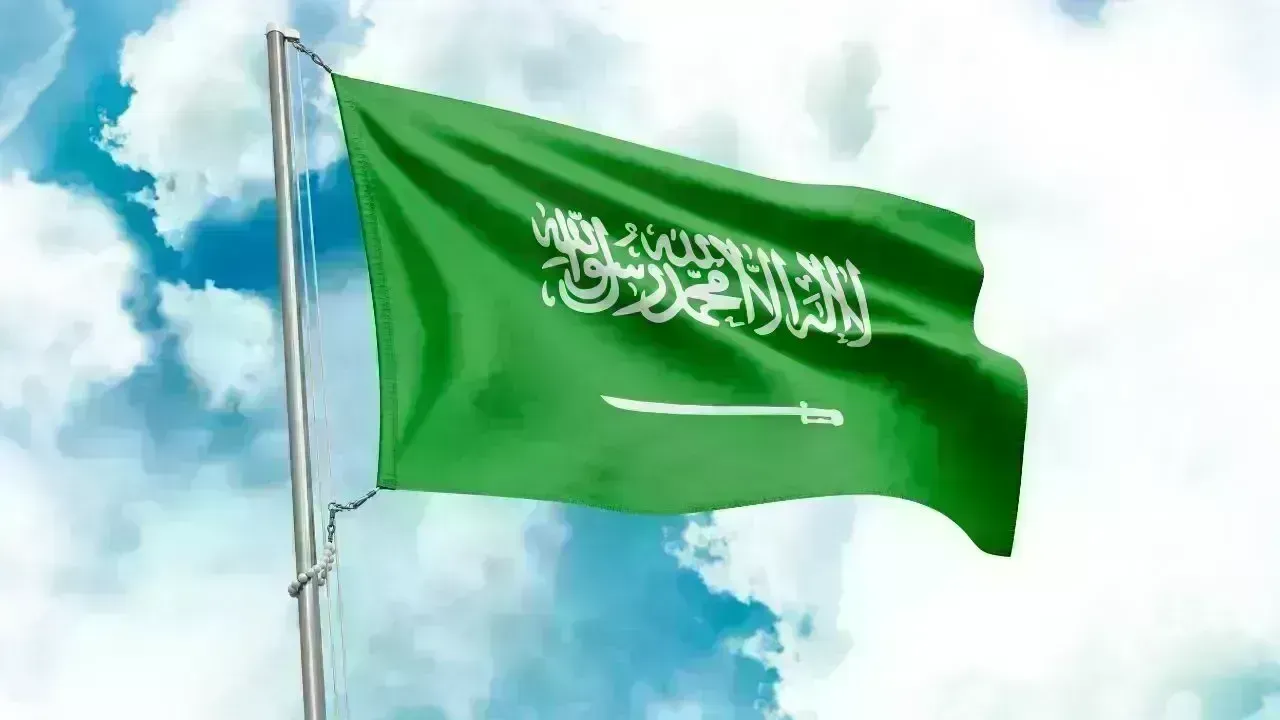
Saudi Arabia has unveiled a new initiative proposing a unified set of regulations regarding employee dress and conduct in the workplace. The Ministry of Human Resources and Social Development has made public a draft called the “Code of Appearance and Conduct,” inviting feedback from the community. Should it gain approval, these standards will be implemented across government agencies, private firms, and non-profit organizations nationwide.
The primary objective of this proposed code is to foster a more professional, organized, and uniform working environment. The Ministry aims to reinforce the national identity, ensuring that employees maintain an appropriate demeanor while clarifying acceptable workplace attire. This draft introduces specific guidelines that are more detailed than previous, general recommendations.
The code stipulates definitive requirements for male employees. Saudi men are expected to wear traditional attire, including the thawb and either a ghutra or shemagh, signifying the visibility of local heritage in professional contexts.
Non-Saudi men must adhere to a formal business suit requirement, aiming to establish a clear standard for expatriate employees. These initiatives are in line with enhancing workplace professionalism and achieving a uniform identity across various sectors.
Additionally, the draft outlines explicit guidelines for female employees. Both Saudi and non-Saudi women are mandated to dress modestly, with full-body coverage required. Outfits must avoid tightness or transparency.
These stipulations apply in regular workplaces, official functions, and media engagements on behalf of their employer, all in an effort to uphold public decency and ensure a respectful appearance in all professional settings.
The proposed regulations extend beyond clothing; they emphasize high behavioral standards and personal hygiene. The code underscores the significance of respectful interactions and proper conduct within professional spaces.
Furthermore, it prohibits accessories or garments featuring political statements, ideological symbols, or potentially offensive items, to maintain neutrality and prevent workplace conflicts.
Private sector companies are expected to play a crucial role in enforcing the proposed regulations. Each firm must establish and communicate their own internal dress code aligning with national standards.
Organizations that neglect to uphold these guidelines could face penalties, with historical fines for labor violations reaching up to SR 5,000, indicating the government’s serious stance on labor regulations. Similar penalties may follow under this new framework.
Currently, the code remains under public consultation, allowing employers, employees, and the broader community to voice their thoughts prior to finalization. While some aspects may evolve, the overarching aim is clear: Saudi Arabia is striving for a more structured, uniform workforce that reflects its national values.
If the draft is ratified, both companies and employees will need to adapt their practices. The next few months will reveal the finalized code, enforcement procedures, and the impact of these standards on everyday professional life within the Kingdom.








Achieve Radiant Skin with This Simple Rice Flour Treatment
Transform your skincare routine! Discover how a rice flour mix can restore your skin's glow without

Meta Unveils Subscription Plans for Instagram, Facebook, and WhatsApp
Meta introduces new subscription plans for users of Instagram, Facebook, and WhatsApp, featuring enh

Suvarna Joy on Education Leadership, Resilience, and Building Purpose Through Adversity in the UAE
Suvarna Joy shares her journey of education leadership, motherhood, faith, and resilience within the

Anticipated Dates for UAE Eid Al Adha 2026 Unveiled by Astronomical Experts
Experts predict Eid Al Adha 2026 in the UAE to start on May 27, prompting early holiday planning amo

DAE Achieves Remarkable Growth in Q1 2026 With Record Revenue
Dubai Aerospace Enterprise announces impressive financial results for Q1 2026, reflecting a surge in

Price Increase for Sony PS5 in Southeast Asia Effective May 1
Sony announces a price increase for the PS5 across Southeast Asia starting May 1, 2026, impacting ga




