Post by : Anees Nasser
India’s smartphone is no longer a luxury gadget. It is a wallet, government office, classroom, cinema hall and communication hub rolled into one device. From receiving salaries to booking doctor appointments, from scanning QR codes at kirana stores to uploading documents for official work, the phone has turned into a personal command center. As more Indians come online, however, the risks have multiplied alongside convenience. Spam calls interrupt daily routines, fraudulent messages look increasingly professional, and stolen phones often vanish forever into illegal markets.
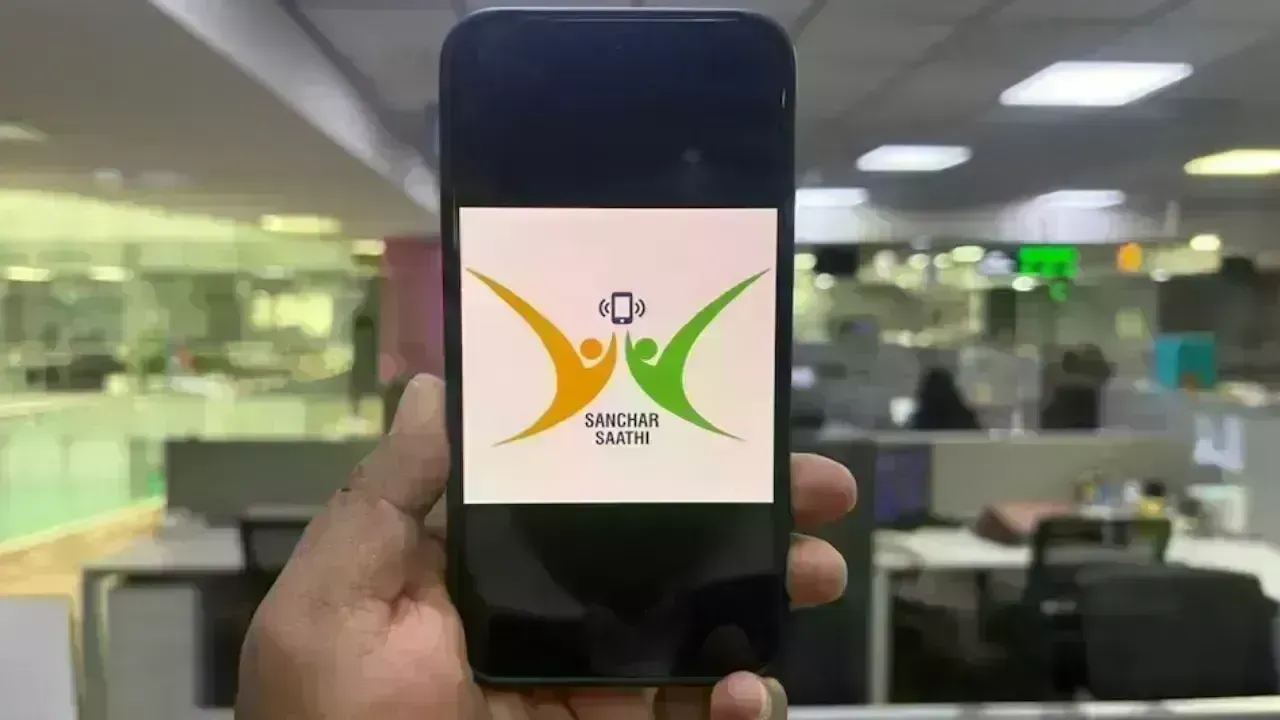
In response to these growing threats, authorities have begun tightening the digital ecosystem through systems designed to track, verify and protect mobile users. Sanchar Saathi has emerged as a central platform in this effort. While the name sounds technical, its purpose is deeply personal: to give ordinary people more control over their mobile connections and devices while making misuse harder. But every new rule also brings new questions. Will privacy suffer? Will paperwork increase? Or will daily mobile life finally become safer? Understanding these changes matters because your phone now holds more of your life than your wallet ever did.
Few problems unite smartphone users like spam calls. Whether it is an automated voice offering a “limited-time loan” or a stranger claiming to be a bank employee, these interruptions now feel endless. What started as basic telemarketing has evolved into organised digital harassment. Fraudsters rotate numbers, spoof identities and use rotating call patterns to dodge filters. For common users, blocking one number feels pointless when ten more appear the next day.
The deeper problem is data leaks. Phone numbers are traded across underground markets like commodities. Once leaked, they travel through call centers, messaging scams and fake apps. Even registering on an innocent-looking website can expose users to months of spam trouble. For senior citizens and first-time smartphone users, the danger is even greater. Many fall for urgent calls pretending to be from delivery services, electricity offices or banks.
The effort to control spam now goes beyond simply silencing unknown numbers. It is about stopping misuse at its source. New verification rules aim to make it harder to acquire SIM cards using fake documents. Caller identity systems seek to unmask automated campaigns. While these efforts may not end spam overnight, they signal a shift from chasing criminals after damage occurs to preventing the crime itself.
Losing a smartphone today feels like losing a piece of your life. Contacts, photos, financial apps and identity documents now live on one device. Yet phone theft remains rampant in crowded markets, railway stations and public transport. Stolen phones are not just resold; they are reused for scams, illegal SIM networks and identity theft.
In many cases, victims report their loss only to discover that tracking is nearly impossible. The phone is wiped, resold and activated with new numbers. That is where digital solutions step in. Device tracking databases connect IMEI numbers to ownership records, allowing stolen phones to be blocked across networks. If activated again, alerts can be triggered automatically.
This transforms theft from a low-risk crime into a risky operation. Once blacklisting becomes widespread and automatic, stolen phones lose resale value. Over time, robbery becomes less profitable. For citizens, this means something simple but powerful: a stolen phone is no longer gone forever by default. Recovery becomes possible, and misuse becomes harder.
Sanchar Saathi is not just another government website. It represents a change in thinking: placing control back into the hands of phone users. The system allows people to check how many mobile connections are active in their name and disconnect those they do not recognise. This may seem basic, but it addresses a major problem. Fake numbers registered using stolen identity documents fuel scams, financial fraud and harassment.
By allowing individuals to see and manage their own connections, the system reduces hidden misuse. If a SIM exists without your knowledge, you can act before it is used for illegal activity. In addition, reporting stolen devices becomes more structured and traceable. Instead of endless police visits and paperwork, digital trails start the process immediately.
Critically, this approach also makes telecom companies more accountable. Verification systems must now perform properly. SIM issuing is no longer a casual operation. Dealers who misuse documents or bend rules face consequences.
For the average user, the biggest benefit is unseen security. Much like helmets reduce injury even when no accident occurs, stronger verification protects even those who never file a complaint.
Whenever systems grow more powerful, fears about privacy are natural. Many users worry that linking phones, identity and central databases could create digital surveillance. The fear is understandable. If a system can track stolen phones, can it also track legal users? If connections are audited, can calls be monitored?
The distinction lies in design and oversight. Tracking devices is not the same as tracking individuals. Phone networks already store metadata for operational purposes. What the new approach does is organise and restrict misuse rather than expand spying. The key issue is how data is stored, who accesses it and under what authority.
For users, awareness is essential. Transparency must accompany technology. Clear rules, public audits and independent review processes are needed to keep trust alive. Digital safety and civil liberties must grow together. If either dominates alone, the system collapses in spirit if not in function.
The success of any national digital initiative depends not only on effectiveness but also on credibility. People must believe that the system exists for protection, not monitoring. Honest communication and legal safeguards will determine whether citizens see these changes as guardians or gatekeepers.
For the average smartphone user, the impact of these rules appears quietly but firmly. Buying a SIM card now involves stronger verification. Selling or gifting an old phone requires more caution. Used devices should be checked for clean registration status. Users must ensure their identity documents are not misused by brokers or shopkeepers.
Spam filtering may improve slowly but noticeably. Unknown numbers may decline. Fraud calls may become easier to trace. Lost devices may stop working sooner, discouraging resale markets.
These changes also promote digital hygiene. People may follow stronger password rules. Backup habits improve. Awareness grows that phones are not just gadgets but identity tools.
Children receiving phones for the first time will inherit a more protected network. Elderly users may feel less vulnerable to scam calls. Small business owners may worry less about data loss when devices go missing.
In essence, the system shifts responsibility from helpless reaction to informed prevention.
Systems reduce risk but do not erase human error. People still share one-time passwords. Fake links still look convincing. Emotional urgency still overrides caution. Education remains as important as infrastructure.
Rural users need awareness programs. Elderly citizens need assistance desks. Small traders need guidance on device safety. Without education, the strongest technology becomes a silent engine with no driver.
Another challenge lies in implementation. Overworked verification centres, careless retailers and outdated emergency response chains can weaken even the best systems. Technology is not magic. It is a tool that works only if the human framework supports it.
India is entering an age where personal security is digital as much as physical. Sanchar Saathi and similar systems mark a turning point where technology finally serves not just growth but safety.
Over time, spam may fade into irritation rather than threat. Phone theft may drop from crime pages into rarity. Identity misuse may become an exception rather than expectation.
For users, the message is simple: treat your smartphone as seriously as your passport. Protect it, track it, and understand it. For policymakers, the responsibility is heavier: build protection without building fear.
India’s digital future depends not on how many smartphones exist, but how safe people feel using them.
This article is intended for general informational purposes only. It does not provide legal, technical or official guidance. Readers are advised to verify specific procedures and rules with relevant authorities before taking action.










Anticipated Dates for UAE Eid Al Adha 2026 Unveiled by Astronomical Experts
Experts predict Eid Al Adha 2026 in the UAE to start on May 27, prompting early holiday planning amo

DAE Achieves Remarkable Growth in Q1 2026 With Record Revenue
Dubai Aerospace Enterprise announces impressive financial results for Q1 2026, reflecting a surge in

Price Increase for Sony PS5 in Southeast Asia Effective May 1
Sony announces a price increase for the PS5 across Southeast Asia starting May 1, 2026, impacting ga

Potential ‘Super El Niño’ in 2026: Understanding the Climate Risks
Could a Super El Niño emerge in 2026? Discover its implications and potential global climate impacts

Global Energy Crisis Intensifies: Markets React to Oil Supply Challenges
Markets are on edge as oil disruptions escalate, influencing prices and economic stability. Explore

Must-See Tourist Spots in London You Can't Overlook
Explore London's essential attractions, from royal landmarks to vibrant markets, ensuring an unforge




