
Post by : Saif Nasser
The role of technology in public safety has come under fresh scrutiny after Sam Altman issued an apology over a serious failure involving artificial intelligence. The incident relates to a mass shooting case in Canada, where AI systems did not properly flag or report warning signs linked to the attacker.
This issue has raised important questions about how much responsibility technology companies should carry when their systems fail to act in critical situations.
Artificial intelligence is now widely used to monitor content, detect threats, and support law enforcement efforts. These systems are designed to identify risky behavior, harmful messages, or warning signs that may lead to violence. However, the recent case shows that AI is not perfect and can miss important signals.
Sam Altman, who leads OpenAI, acknowledged the failure and expressed regret. His apology reflects growing awareness in the tech industry that mistakes in AI systems can have real-world consequences. When such systems fail, the impact is not just technical—it affects lives and public trust.
The Canadian mass shooting has once again highlighted the dangers of gaps in safety systems. While details of the attacker’s background and online activity are still being discussed, reports suggest that warning signs may have been present but were not properly identified or escalated.
This brings attention to a key challenge: AI systems rely on data and programming, but they cannot fully understand human behavior. They can miss context, fail to interpret intent, or struggle with complex situations. As a result, relying only on AI for safety can be risky.
At the same time, it is important to understand that AI is just one part of a larger system. Human oversight, law enforcement action, and community awareness all play a role in preventing such incidents. When one part fails, it exposes weaknesses in the entire system.
The apology from Sam Altman is also significant because it shows a shift in how tech leaders respond to criticism. In the past, companies often avoided taking direct responsibility. Now, there is growing pressure for transparency and accountability.
Governments and regulators are also paying close attention. Incidents like this may lead to stricter rules on how AI systems are developed and used. There is increasing demand for clear safety standards, regular testing, and better reporting mechanisms.
Another concern is public trust. People are becoming more aware of the role AI plays in daily life. When failures happen, it can reduce confidence in these technologies. Rebuilding trust requires not just apologies but real improvements in how systems are designed and managed.
There is also a broader debate about the limits of technology. While AI can help in many areas, it cannot replace human judgment. Complex issues like violence prevention require careful decision-making, emotional understanding, and timely action—things that machines cannot fully provide.
This incident serves as a reminder that technology must be used responsibly. Companies need to invest more in safety features, improve detection systems, and ensure that human experts are involved in critical decisions.
The focus now will likely shift to what changes come next. OpenAI and other companies may review their systems, update their policies, and work more closely with authorities to prevent similar failures.
The situation highlights a simple but important point: technology can support safety, but it cannot guarantee it. Strong systems require a balance between innovation, responsibility, and human involvement.










Global Energy Crisis Intensifies: Markets React to Oil Supply Challenges
Markets are on edge as oil disruptions escalate, influencing prices and economic stability. Explore

Must-See Tourist Spots in London You Can't Overlook
Explore London's essential attractions, from royal landmarks to vibrant markets, ensuring an unforge

Ultimate Guide to Snagging Cheap Flights in 2026
Unlock the secrets to booking affordable flights in 2026 with insightful tips and strategies tailore

The Impact of Consistent Small Investments on Wealth Building
Discover how investing small amounts regularly can positively transform your financial future over t

7.5 Magnitude Earthquake Strikes Japan, Tsunami Alerts Issued
Japan experiences a hefty 7.5 quake, prompting tsunami alerts and safety measures. Stay updated on a
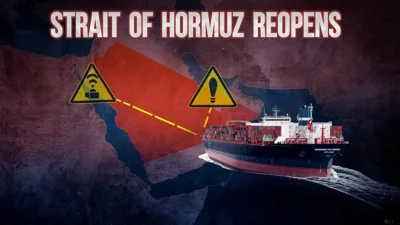
Reopening of the Strait of Hormuz: New Regulations to Impact Global Trade
Iran reopens the strategic Strait of Hormuz with new regulations affecting oil transport and global