Post by : Shweta
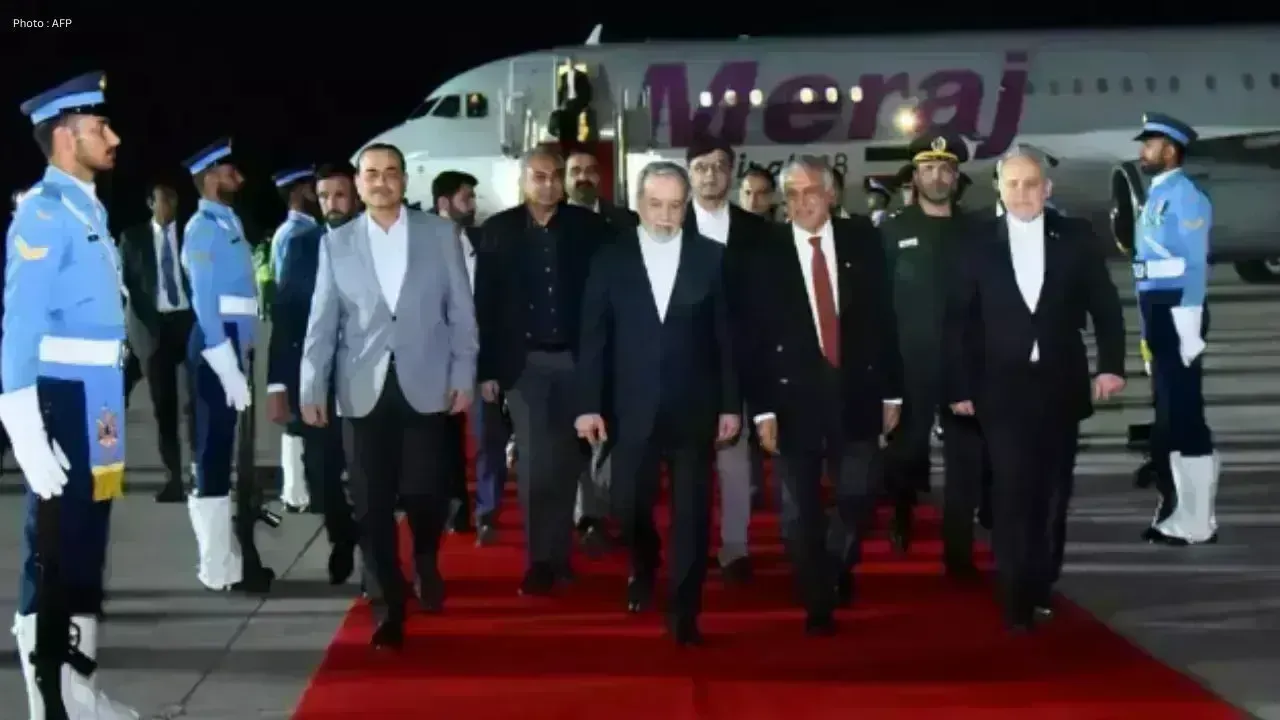
On Friday, Abbas Araghchi, Iran's foreign minister, touched down in Islamabad, aiming to advance diplomatic negotiations aimed at renewing ceasefire discussions with the United States. His visit occurs amidst lingering doubts about potential direct talks between the two nations.
Officials report that Araghchi's agenda centers around deliberating proposals for reviving diplomatic discourse and collaborating with regional allies. Plans for him to engage in talks with high-ranking Pakistani officials are also on the table to assess the situation and strategize on mediation.
However, direct engagement with U.S. representatives remains murky. While Pakistani sources suggest that no formal discussions between Iranian and American officials have been arranged, the White House confirmed that envoys Steve Witkoff and Jared Kushner will visit Pakistan to facilitate conversations with the Iranian delegation.
Pakistan has positioned itself as a crucial mediator in the ongoing disputes, previously hosting discussions that yielded minimal results. According to officials, Araghchi's visit is expected to be short, primarily aimed at articulating Iran's stance, which Islamabad would then relay to Washington.
In parallel, regional diplomacy is on the rise, highlighted by Sheikh Tamim bin Hamad Al Thani's conversations with Donald Trump regarding the ceasefire. Qatar is actively backing Pakistan's mediating role and is working alongside international partners to foster dialogue.
The last round of negotiations led by JD Vance failed to generate a solid agreement, heightening tensions in the region. Although a ceasefire was recently extended for additional negotiation time, disputes remain over significant issues, including Iran's nuclear program and wider regional security aspects.
Simultaneously, the ongoing conflict continues to influence global markets, particularly oil prices, owing to worries about potential interruptions in the Strait of Hormuz, a vital corridor for worldwide energy trade.
Araghchi has also mentioned that his diplomatic itinerary includes visits to other nations, such as Oman and Russia, aiming for greater regional alignment. He reiterated that fostering cooperation with neighboring countries remains essential for Tehran.
Despite persistent diplomatic maneuvers, no set timeline for the next phase of U.S.-Iran talks has been disclosed. Analysts suggest that the attainment of progress hinges on both parties' readiness to make concessions and engage in prolonged dialogue.
The diplomatic landscape remains dynamic, with channels of communication open yet outcomes still uncertain, as the region closely monitors any signs of advancements toward peace.






Global Energy Crisis Intensifies: Markets React to Oil Supply Challenges
Markets are on edge as oil disruptions escalate, influencing prices and economic stability. Explore

Must-See Tourist Spots in London You Can't Overlook
Explore London's essential attractions, from royal landmarks to vibrant markets, ensuring an unforge

Ultimate Guide to Snagging Cheap Flights in 2026
Unlock the secrets to booking affordable flights in 2026 with insightful tips and strategies tailore

The Impact of Consistent Small Investments on Wealth Building
Discover how investing small amounts regularly can positively transform your financial future over t

7.5 Magnitude Earthquake Strikes Japan, Tsunami Alerts Issued
Japan experiences a hefty 7.5 quake, prompting tsunami alerts and safety measures. Stay updated on a
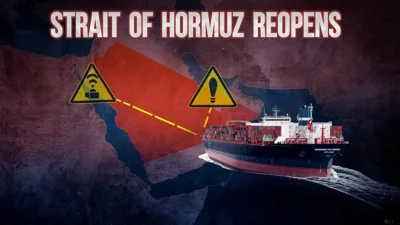
Reopening of the Strait of Hormuz: New Regulations to Impact Global Trade
Iran reopens the strategic Strait of Hormuz with new regulations affecting oil transport and global