Post by : Vansh
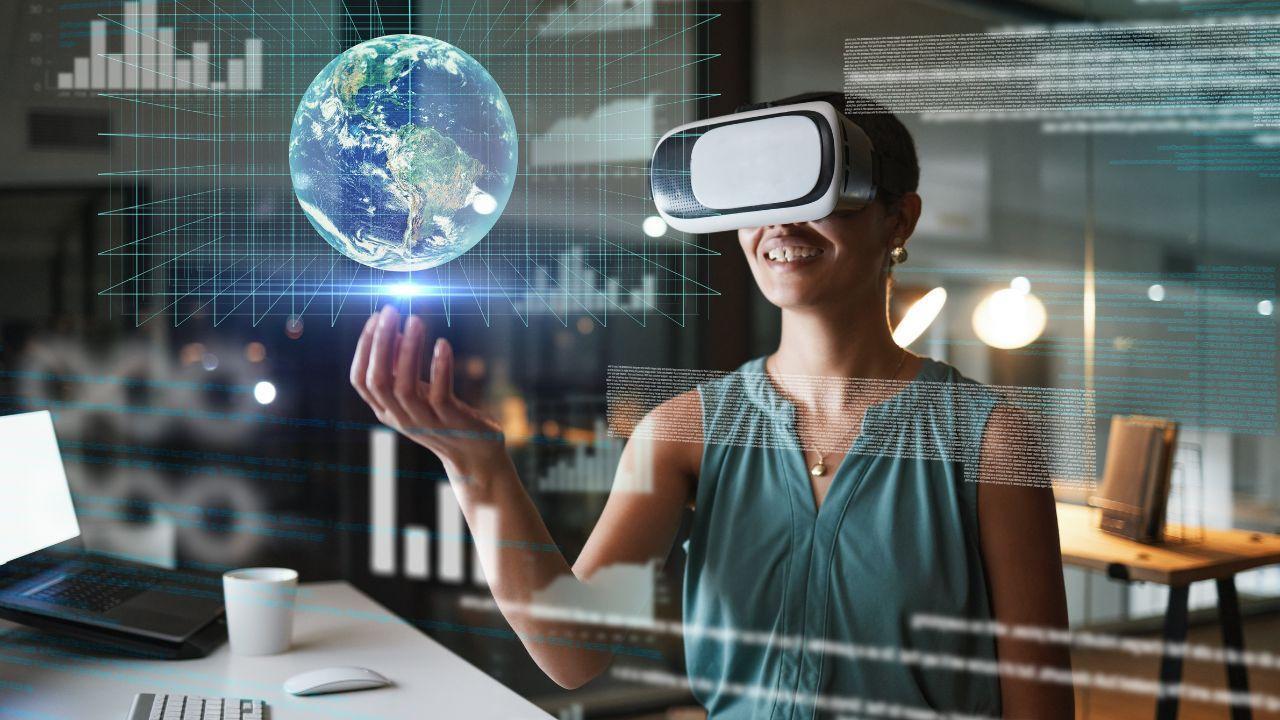
In the last decade, Artificial Intelligence (AI) has evolved from being a futuristic concept to becoming an integral part of our daily lives. What was once considered science fiction is now a reality shaping industries, societies, and even our personal routines. The rise of the machines is not about robots taking over the world; rather, it is about intelligent systems working quietly behind the scenes, transforming the way we live and interact with technology. As we step deeper into the digital era, AI has gone beyond imagination, unlocking possibilities that were once thought impossible.
The journey of artificial intelligence began decades ago, but it has gained momentum in the 21st century. Early AI was limited to simple problem-solving tasks, but modern AI harnesses vast amounts of data, machine learning algorithms, and advanced computing power. Today, AI can recognize images, process human speech, translate languages, and even compose music. This evolution shows us that machines are no longer bound by rigid programming—they can learn, adapt, and innovate in ways that echo human creativity.
One of the most groundbreaking applications of AI is in the field of healthcare. Doctors and researchers are using AI tools to diagnose diseases earlier and more accurately than ever before. For example, AI-powered systems can analyze medical scans to detect cancers or predict heart diseases with remarkable precision. Personalized medicine, guided by AI, allows treatments to be tailored to individual patients based on genetic data. This not only improves outcomes but also enhances efficiency within healthcare systems. The rise of the machines in this domain is about saving lives and improving quality of care.
Education is another field witnessing AI’s transformative impact. Intelligent tutoring systems can adapt to a student’s pace and learning style, offering personalized lessons and practice exercises. AI-driven platforms help teachers by automating administrative tasks, allowing them to focus more on student engagement. With virtual classrooms and smart learning assistants, knowledge is becoming more accessible to students worldwide. AI ensures that education goes beyond borders, helping bridge the gap for students in remote or underserved areas.
The world of work is also being reshaped by AI. While some fear job losses due to automation, AI is creating new opportunities and redefining roles. Intelligent machines handle repetitive tasks, freeing humans to focus on creativity, strategy, and innovation. In industries like manufacturing, finance, and customer service, AI systems boost productivity while reducing errors. The future workplace will not be about humans versus machines but rather about collaboration—where human intelligence and artificial intelligence combine to achieve greater results.
As the rise of the machines continues, ethical questions about AI’s role become more urgent. Who is responsible when an AI makes a mistake? How do we ensure privacy when machines can analyze massive amounts of personal data? There is also the concern of bias, as AI systems may unintentionally reinforce inequalities if not properly designed. Governments, organizations, and researchers must work together to set standards and regulations that balance innovation with responsibility. The conversation about AI ethics ensures that technology remains a tool for human progress rather than a force of division.
Beyond industries and research labs, AI is already a part of our daily lives. From voice assistants like Siri and Alexa to recommendation systems on Netflix and Spotify, AI influences how we consume information and entertainment. Smart home devices optimize energy use, while navigation apps predict traffic patterns to save time. Even social media platforms rely on AI to personalize feeds and detect harmful content. These everyday interactions show that AI has gone beyond imagination, seamlessly blending into routines without us even noticing its presence.
Looking ahead, the rise of the machines will continue to surprise us. AI may revolutionize space exploration by analyzing cosmic data and guiding autonomous spacecraft. In agriculture, AI-driven drones and robots could optimize food production for a growing population. In creative industries, AI-generated art, music, and storytelling may become commonplace, raising intriguing questions about authorship and originality. The possibilities are limitless, and the pace of development suggests that the future will be shaped by how well humanity adapts to this partnership with intelligent machines.
The content in this article is intended solely for informational and educational purposes. While every effort has been made to ensure accuracy, the rapidly evolving nature of technology and artificial intelligence means details may change over time. Readers are encouraged to verify information independently and seek expert advice when necessary. The views expressed do not represent professional or legal counsel. MiddleEastBulletin news is not liable for any decisions made based on this article’s content.









Anticipated Dates for UAE Eid Al Adha 2026 Unveiled by Astronomical Experts
Experts predict Eid Al Adha 2026 in the UAE to start on May 27, prompting early holiday planning amo

DAE Achieves Remarkable Growth in Q1 2026 With Record Revenue
Dubai Aerospace Enterprise announces impressive financial results for Q1 2026, reflecting a surge in

Price Increase for Sony PS5 in Southeast Asia Effective May 1
Sony announces a price increase for the PS5 across Southeast Asia starting May 1, 2026, impacting ga

Potential ‘Super El Niño’ in 2026: Understanding the Climate Risks
Could a Super El Niño emerge in 2026? Discover its implications and potential global climate impacts

Global Energy Crisis Intensifies: Markets React to Oil Supply Challenges
Markets are on edge as oil disruptions escalate, influencing prices and economic stability. Explore

Must-See Tourist Spots in London You Can't Overlook
Explore London's essential attractions, from royal landmarks to vibrant markets, ensuring an unforge




