Post by : Anees Nasser
The rhythm of urban life in India is invariably linked to movement — vibrant bazaars, bustling rush hours, late-night tea excursions, and delivery bikes zipping through narrow byways. However, rapid urban growth, population density, and increasing vehicle ownership have left this rhythm strained.
Peak hour traffic congestion, delayed signals, and commutes that seem to stretch indefinitely have turned mobility into a significant challenge for city dwellers.
Yet, a transformation is unfolding.
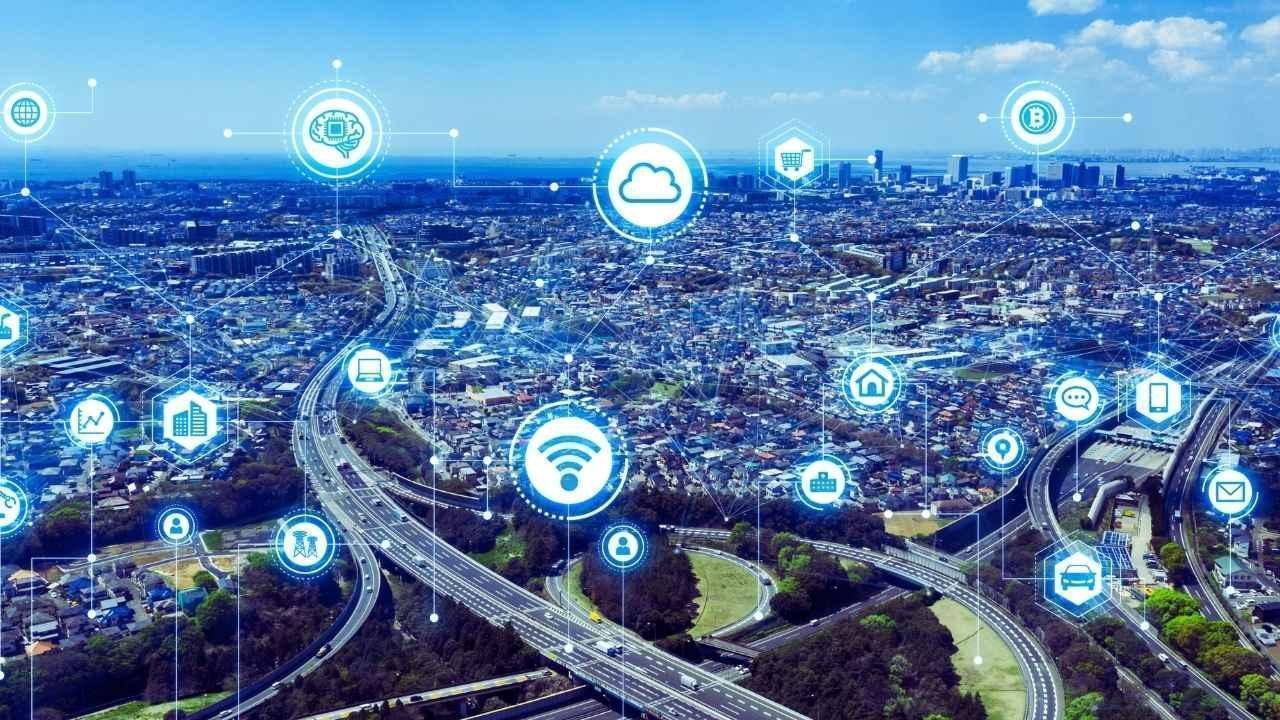
Technological innovation is now perceived as a necessity rather than a luxury. India is stepping up its game with artificial intelligence, IoT monitoring, adaptive traffic lights, digital surveillance, smart parking, and cohesive public transport networks. The country is evolving from manual traffic management toward AI-driven, adaptive, and predictive mobility systems that optimize performance in real-time.
We are entering the age of smart roads and intelligent cities, which is fundamentally altering how people navigate urban spaces and setting the stage for the future of India.
Indian urban centers and secondary cities are witnessing unprecedented growth. With prosperity rising, the surge in vehicle ownership is overwhelming roads that haven’t kept pace, leading to unmanageable traffic congestion.
Time spent in traffic translates to exhaustion and diminished economic activity. Today’s commuters are increasingly finding their mental well-being compromised by commute-related stress.
Vehicles idling on congested roads contribute to harmful emissions and raise temperature levels in urban areas. Intelligent traffic systems can minimize idling time, thereby lowering emissions.
Data-informed traffic controls can monitor speeding, minimize accidents, and guide vehicles in emergencies. Traffic safety is becoming proactive instead of reactive.
Indian cities are gearing up for electric mobility, autonomous technology, drone logistics, and complex transport ecosystems, with AI serving as the backbone of these advancements.
Gone are the days of fixed intervals. Smart traffic signals:
Adjust based on current vehicle flow
Give preference to emergency services
Balance traffic effortlessly between major and minor roads
Coordinate between interconnected junctions
This leads to smoother transportation, reduced noise, and expeditious traffic flow.
Modern cameras encompass more than just surveillance; they can:
Identify speed violations
Spot incorrect lane usage
Highlight red light infractions
Observe erratic driving patterns
Facilitate automated fines
Track pedestrian footfall
Such technology promotes discipline where manual enforcement is lacking.
AI models can analyze patterns to anticipate:
Crowded periods
Weekend traffic spikes
Increases during festive occasions
Weather-related delays
Traffic disruptions from construction
This proactive approach enables urban planners to strategize rather than react.
Paramedic and firefighting units benefit from AI-enhanced pathways. Traffic controls automatically adjust to clear the way — saving time and lives.
Public transportation systems incorporate data to provide:
Real-time updates
Smooth transitions
Crowd control
Optimized routing
Public transport becomes increasingly efficient and user-friendly.
Placed throughout roadways and junctions to gather intelligence on:
Traffic density
Pedestrian movements
Speed trends
Transform live surveillance footage into actionable data, identifying violations or traffic slowdowns.
Systematize and evaluate extensive traffic data to uncover long-standing patterns.
Navigation apps, delivery services, and ride services contribute live data to create a city-wide intelligence system.
City operation centers supervise traffic, coordinate emergency responses, manage signals, and organize events.
Digital maps of available spots
Slot booking through apps
Automated payment systems
Cameras tracking vehicle entry and exit
This reduces unnecessary circling, conserves fuel, and alleviates frustration.
Geofencing and monitoring technologies deter illegal parking while improving pedestrian safety.
Signal adjustments adapt based on traffic and crowd conditions.
Guarantees safe passage and prevents vehicle encroachments.
Speed management and alert systems established around educational institutions safeguard children.
AI systems can manage traffic and send emergency alerts during storms or rain.
Predictive analysis aids local authorities in preparation for large gatherings.
During pollution spikes, systems can recalibrate traffic to reduce harmful emissions.
A traffic jam that once took 45 minutes could potentially be shortened to 20 minutes.
Predictable transit can help restore balance and serenity.
Decreased fuel consumption boosts public health.
Data-driven protocols aim to minimize accidents and reckless behavior.
Safe pathways foster healthier commuting practices.
Introducing this technology entails substantial financial commitment.
Surveillance demands strict adherence to privacy standards.
Combining old infrastructures with new technologies poses its own set of issues.
Systems should be user-friendly to serve all demographics, not just the technologically savvy.
The effectiveness of technology is maximized when citizens comply with regulations.
Cities are strategizing smart lanes, digital signage, and AI communication networks.
Charging stations, energy balancing, and routing considerations.
Aerial perspectives enable faster responses.
Streamlining transportation and freight systems over longer distances.
A centralized platform will provide:
Traffic updates
Parking availability
Metro schedules
Public transit tracking
Pollution statistics
Weather warnings
A singular brain guiding urban mobility.
India’s urban future will embark on a trajectory that is not merely about expansion, but about being smarter, faster, cleaner, and more community-focused. As artificial intelligence and advanced traffic management emerge, urban living transitions from chaotic moments to synchronized movement. The noise of honking horns will decline, queues will diminish, commuting stresses will alleviate, and urban living will feel invigorating rather than exhausting.
Smart mobility encompasses far more than infrastructure; it embodies a better quality of life through time efficiencies, reduced anxiety, cleaner air, safer roads, and progressive development.
The journey is commencing, and the future looks bright with intelligent transportation.
This article provides insights into advancements in technology and mobility. Smart city projects, policies, and timelines can differ in implementation. Citizens and urban planners should consult official channels for specific local updates.





Anticipated Dates for UAE Eid Al Adha 2026 Unveiled by Astronomical Experts
Experts predict Eid Al Adha 2026 in the UAE to start on May 27, prompting early holiday planning amo

DAE Achieves Remarkable Growth in Q1 2026 With Record Revenue
Dubai Aerospace Enterprise announces impressive financial results for Q1 2026, reflecting a surge in

Price Increase for Sony PS5 in Southeast Asia Effective May 1
Sony announces a price increase for the PS5 across Southeast Asia starting May 1, 2026, impacting ga

Potential ‘Super El Niño’ in 2026: Understanding the Climate Risks
Could a Super El Niño emerge in 2026? Discover its implications and potential global climate impacts

Global Energy Crisis Intensifies: Markets React to Oil Supply Challenges
Markets are on edge as oil disruptions escalate, influencing prices and economic stability. Explore

Must-See Tourist Spots in London You Can't Overlook
Explore London's essential attractions, from royal landmarks to vibrant markets, ensuring an unforge




