Post by : Shweta
In a critical diplomatic meeting in Beijing, China and Iran engaged in vital talks as international concerns intensify over the ongoing blockade of the Strait of Hormuz. The blockade has sparked fears regarding energy security and economic stability globally. Iranian Foreign Minister Abbas Araghchi met with Chinese Foreign Minister Wang Yi during this tense period for the Middle East, with heightened tensions between Iran and the United States. This dialogue occurs just days ahead of U.S. President Donald Trump’s planned visit to Beijing, where the Hormuz crisis is anticipated to be a focal point.
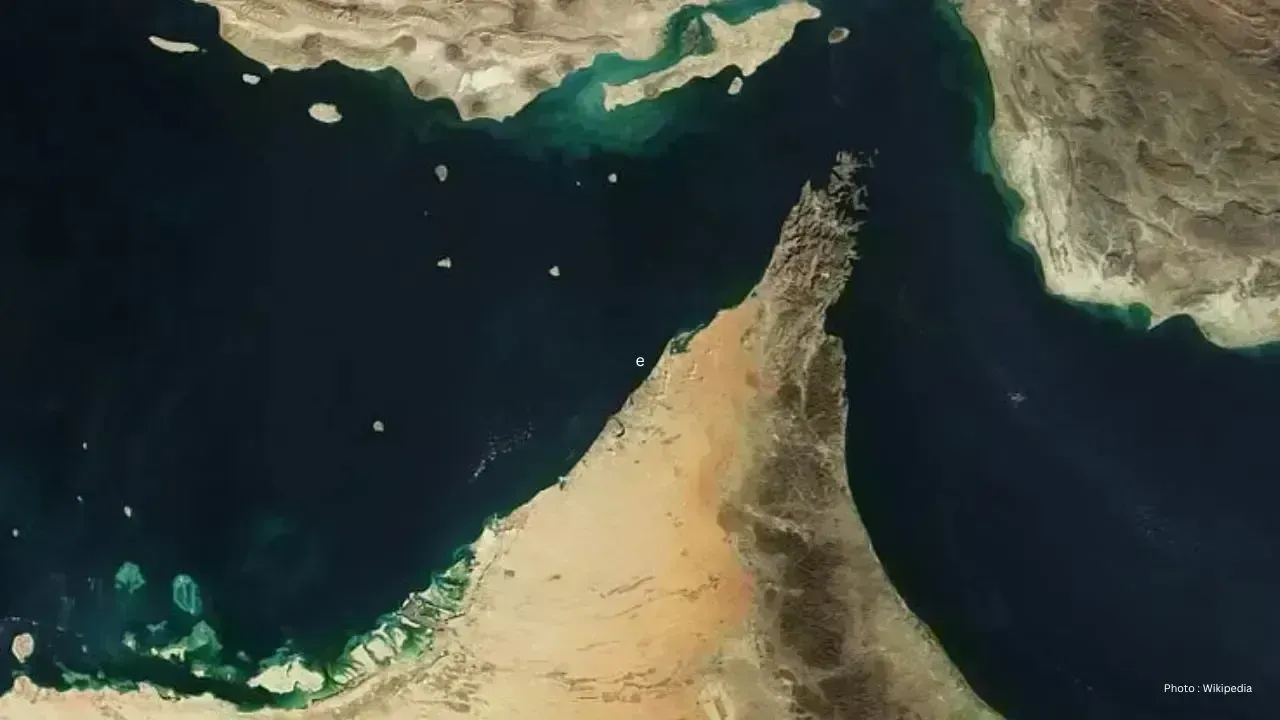
The discussions centered on the Strait of Hormuz, a crucial corridor for oil shipping, through which approximately one-fifth of global oil and gas flows. Following escalating conflicts involving the U.S. and Israel this year, Iran has implemented measures to restrict movement through this vital waterway, raising alarms regarding fuel prices, shipping delays, and economic stress on various nations.
Chinese state media reported that both representatives deliberated on strategies to mitigate tensions and safeguard maritime trade routes. As a key ally of Iran and a major buyer of its oil, China has a vested interest in ensuring the safety of energy supplies in this region. Beijing has voiced concerns that prolonged instability in the Strait could negatively impact the global economy and amplify pressures on international markets.
This diplomatic meeting comes as the United States increases its pressure on Iran to re-establish open navigation in the waterway. U.S. Secretary of State Marco Rubio recently urged China to leverage its influence over Iran to facilitate an end to the restrictions. Rubio highlighted that Iran’s actions are leading to its international isolation and adversely affecting nations reliant on energy imports, including China.
In parallel developments, President Trump declared a temporary pause in “Project Freedom,” a U.S.-led initiative aimed at ensuring the safe passage of commercial vessels through the Strait. He stated this pause aims to foster a diplomatic environment conducive to potential peace talks with Iran. However, U.S. officials clarified that the broader restrictions against Iranian ports remain in place during these discussions.
China is attempting to navigate its support for Iran while advocating for de-escalation. The Chinese government has criticized the U.S. naval blockade while subtly urging Tehran to refrain from further provocations. Analysts suggest that China’s efforts are aimed at protecting its long-term economic interests from a larger regional conflict that could jeopardize energy supplies and trade routes to Asia.
Reports indicate that China is also pursuing comprehensive diplomatic initiatives involving Pakistan and other neighboring nations to alleviate tensions between Washington and Tehran. Earlier proposals, backed by both China and Pakistan, advocated for peace talks, ceasefire negotiations, and ensuring normal navigation through the Strait of Hormuz. Observers note that Beijing’s expanded diplomatic engagement underscores its rising leverage in Middle Eastern matters.
Despite these ongoing efforts, the Gulf region's situation remains tenuous. Numerous commercial vessels have encountered delays due to security uncertainties, while global oil markets react sharply to developments linked to the blockade. Experts caution that any further escalation could significantly impact fuel prices worldwide and exacerbate pressures on economies already grappling with inflation and trade volatilities.
The discussions in Beijing are being interpreted as a significant diplomatic maneuver as global powers seek a peaceful resolution to the Hormuz crisis. With President Trump set to meet Chinese President Xi Jinping next week, all eyes are on whether these diplomatic endeavors can ease tensions and facilitate the reopening of this essential maritime trade route.









DAE Achieves Remarkable Growth in Q1 2026 With Record Revenue
Dubai Aerospace Enterprise announces impressive financial results for Q1 2026, reflecting a surge in

Price Increase for Sony PS5 in Southeast Asia Effective May 1
Sony announces a price increase for the PS5 across Southeast Asia starting May 1, 2026, impacting ga

Potential ‘Super El Niño’ in 2026: Understanding the Climate Risks
Could a Super El Niño emerge in 2026? Discover its implications and potential global climate impacts

Global Energy Crisis Intensifies: Markets React to Oil Supply Challenges
Markets are on edge as oil disruptions escalate, influencing prices and economic stability. Explore

Must-See Tourist Spots in London You Can't Overlook
Explore London's essential attractions, from royal landmarks to vibrant markets, ensuring an unforge

Ultimate Guide to Snagging Cheap Flights in 2026
Unlock the secrets to booking affordable flights in 2026 with insightful tips and strategies tailore




