Post by : Anees Nasser
Plastic has become an inseparable part of modern life, from packaging and household goods to industrial applications. However, its durability — once celebrated — has turned into an environmental nightmare. Millions of tons of plastic waste end up in oceans, rivers, and landfills every year, threatening wildlife, contaminating food chains, and contributing to greenhouse gas emissions.
The environmental toll of plastic has sparked a global search for sustainable alternatives. Scientists, entrepreneurs, and governments are exploring materials that replicate plastic’s versatility without causing long-term ecological harm. These innovations range from plant-based bioplastics to innovative composites derived from waste, offering hope for a cleaner, more sustainable future.
Bioplastics are among the most promising alternatives to conventional plastics. Derived from renewable biomass sources such as corn, sugarcane, and potato starch, bioplastics can often biodegrade under the right conditions.
Companies are producing a wide variety of bioplastic products, from shopping bags and food packaging to disposable cutlery and medical devices. For example, polylactic acid (PLA), a commonly used bioplastic, is made from fermented plant starch and offers the advantage of being compostable in industrial facilities.
While bioplastics present a viable alternative, challenges remain. Many require specific conditions for degradation, and large-scale production can compete with food crops for land use. Nevertheless, innovations in feedstock sourcing and recycling technologies are gradually making bioplastics more sustainable and accessible.
Marine resources are increasingly being tapped to develop biodegradable plastic alternatives. Seaweed and algae-based materials offer several advantages: they grow rapidly, require no fresh water or pesticides, and can be harvested sustainably.
Researchers are creating packaging films, edible wrappers, and even disposable containers from algae. These materials not only decompose naturally but also can be enriched with nutrients, making them safe for the environment. Countries like Indonesia and Norway are leading projects to scale algae-based materials for global markets.
Algae-derived plastics are particularly attractive for food packaging because they provide barrier properties similar to conventional plastics while being fully compostable. As production methods improve, these materials could become mainstream in packaging industries worldwide.
Another innovative approach comes from fungi. Mycelium, the root structure of mushrooms, can be grown into dense, moldable materials that function as packaging substitutes for Styrofoam and plastic containers.
Mycelium-based packaging is lightweight, biodegradable, and can be grown using agricultural waste as feedstock. Companies in Europe and North America are already using this technology for shipping fragile products, furniture, and electronics.
Beyond packaging, researchers are exploring mycelium composites for construction, textiles, and furniture, highlighting the versatility of this sustainable material. The ability to create strong, durable materials from naturally occurring fungi presents a compelling solution to reduce reliance on petroleum-based plastics.
Paper has long been considered a natural alternative to plastics, particularly for single-use items like bags, straws, and wrappers. However, untreated paper lacks durability and resistance to moisture. Modern innovations are addressing these limitations through cellulose-based coatings and composites.
Cellulose films derived from plant fibers can mimic the strength and flexibility of plastic while remaining biodegradable. Companies are producing compostable paper straws, laminated food packaging, and flexible cellulose films that are safe for both consumers and the environment.
These solutions demonstrate that traditional materials like paper, when combined with modern technologies, can meet industrial standards previously dominated by plastics, while significantly reducing ecological footprints.
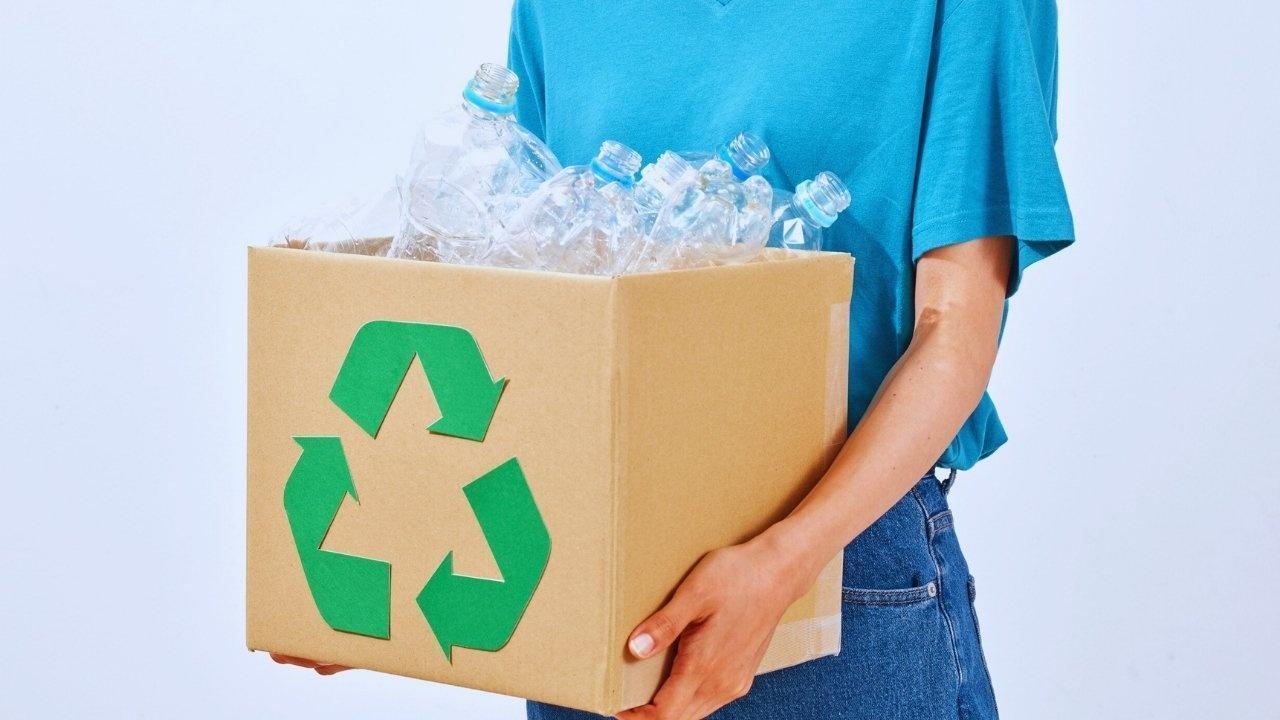
While alternative materials are crucial, improving the circularity of existing plastics is equally important. Recycling and upcycling efforts convert post-consumer and industrial plastic waste into new products, reducing the need for virgin plastic production.
Innovative techniques include chemical recycling, which breaks plastics into their original monomers for reuse, and mechanical recycling, which reshapes plastics into new materials. Startups are also transforming waste into construction panels, fabrics, and furniture, proving that plastic need not be discarded after a single use.
Upcycling projects not only reduce environmental impact but also create economic opportunities, particularly in regions where plastic waste management is a pressing concern. By turning waste into value, these solutions contribute to both sustainability and local economies.
Despite the promise of sustainable materials, several challenges hinder widespread adoption. Cost remains a significant barrier, as bioplastics and innovative composites are often more expensive to produce than conventional plastics.
Infrastructure is another issue. Many biodegradable materials require industrial composting facilities for complete degradation, which are not available in all regions. In addition, consumer awareness and willingness to adopt new products play a critical role in market success.
Regulatory frameworks are evolving to encourage sustainable alternatives, including bans on single-use plastics and incentives for eco-friendly materials. However, global coordination is necessary to ensure that these materials do not create unintended environmental consequences during production or disposal.
Governments and corporations are taking active roles in promoting plastic alternatives. The European Union has banned certain single-use plastics, while countries like India and Kenya have introduced strict regulations on plastic bags and packaging.
On the corporate side, multinational companies are committing to using sustainable materials in packaging and products. Major brands in food, beverage, and consumer goods sectors are investing in research to replace conventional plastics with bioplastics, cellulose films, and mycelium-based solutions.
Public-private partnerships are also emerging, combining policy support with innovation funding to accelerate the transition toward sustainable materials. These initiatives signal a growing recognition of both environmental responsibility and consumer demand for greener products.
Sustainable materials are designed to minimize ecological damage, but their impact must be evaluated comprehensively. Life cycle assessments (LCA) help determine the total environmental cost, including raw material sourcing, production energy, transportation, and end-of-life disposal.
For example, some bioplastics may require high-energy industrial composting, while algae-based materials may necessitate nutrient inputs for cultivation. Understanding these trade-offs is crucial to selecting the most environmentally effective alternatives.
Despite these challenges, studies indicate that switching from conventional plastics to well-designed alternatives can significantly reduce pollution, greenhouse gas emissions, and harm to marine and terrestrial ecosystems.
Consumer demand is a major driver in the development and adoption of plastic alternatives. Increasing awareness of plastic pollution, combined with global campaigns and media coverage, has shifted preferences toward eco-friendly products.
Sustainable packaging and products are no longer niche — they influence purchasing decisions across markets. Businesses that adapt to this trend not only meet regulatory requirements but also enhance brand value and customer loyalty.
Moreover, education campaigns and labeling initiatives help consumers identify environmentally friendly alternatives, further accelerating demand for sustainable materials.
The future of sustainable materials depends on innovation, collaboration, and adoption at scale. Research continues into new biopolymers, biodegradable composites, and even hybrid materials that combine the strengths of multiple alternatives.
Scaling production while maintaining affordability and environmental integrity remains the greatest challenge. Governments, corporations, and research institutions must collaborate to build supply chains, improve recycling infrastructure, and incentivize sustainable material use.
Ultimately, reducing global plastic pollution requires a combination of cutting-edge materials, responsible consumption, and systemic change in production and disposal practices.
Plastic alternatives are no longer a futuristic concept — they are emerging solutions poised to transform industries and protect the environment. From bioplastics and algae-based films to mycelium packaging and recycled composites, these innovations offer practical ways to reduce pollution while maintaining convenience and functionality.
Global efforts in policy, research, and consumer engagement are critical to ensuring that these materials are adopted at scale. While challenges remain, the momentum toward a plastic-free, sustainable future is undeniable. By embracing innovation, responsible practices, and public awareness, humanity can shift toward materials that safeguard the planet for generations to come.
The journey toward a world less dependent on plastic is complex, but the growing array of sustainable alternatives offers hope that environmental stewardship and modern convenience can coexist harmoniously.
This article is intended for general informational purposes only. It does not provide professional, legal, or environmental advice. The examples and insights reflect current global trends in sustainable materials and may evolve with future technological, industrial, and regulatory developments.










Elevate Your Mornings: 7 Protein-Packed Breakfast Ideas
Discover 7 quick and nutritious high-protein breakfasts to keep you energized and focused throughout

Unlocking Wellness in the UAE: 7 Transformative Habits
Explore 7 effective wellness practices inspired by the UAE lifestyle for a healthier, happier life.
Starbucks Engages Boyu Capital for Major Chinese Expansion
Starbucks teams up with Boyu Capital, selling a majority stake to boost growth and adapt to the Chin

Three Individuals Charged in Massive Meth Trafficking Case in Malaysia
In Malaysia, a married couple and another suspect are charged with trafficking 510kg of meth, facing

Singapore Police Revisit Geylang Murder Scene with Suspect
In Geylang, police return a murder suspect to the scene of a crime involving the fatal stabbing of a