Post by : Saif Nasser
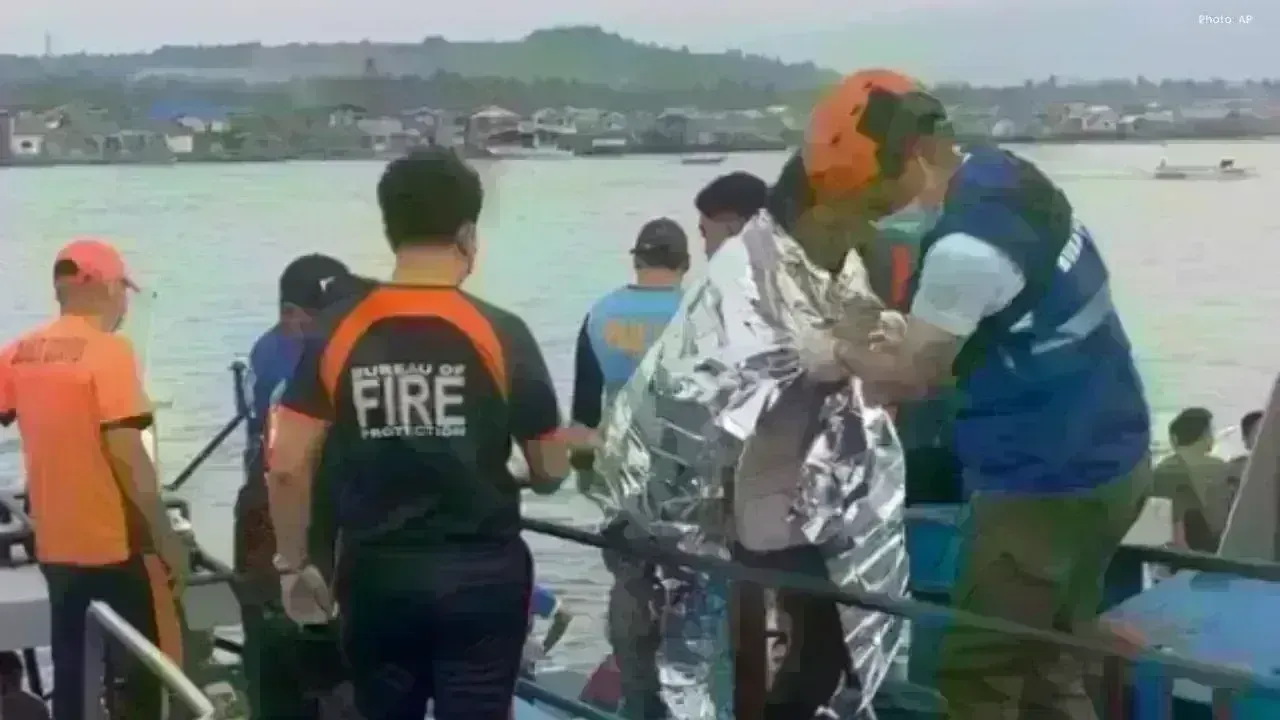
A passenger ferry carrying more than 350 people sank in the southern Philippines, causing a deadly maritime tragedy and once again raising serious concerns about passenger safety at sea. At least seven people were confirmed dead, while hundreds were rescued after the vessel went down during an overnight journey.
The ferry was traveling between islands in the southern part of the country when it encountered trouble at sea. According to authorities, the boat was carrying passengers and crew within its approved capacity. However, for reasons that are still not fully clear, the vessel began to sink, forcing people to jump into the water or cling to floating debris in the darkness.
Rescue teams from the Philippine Coast Guard, local authorities, and nearby communities responded quickly after receiving distress signals. Fishing boats and rescue vessels rushed to the scene, pulling survivors from the water and transporting them to nearby ports. Many survivors were exhausted, soaked, and in shock. Some needed immediate medical care, especially elderly passengers and children.
Emergency shelters were set up at nearby ports to provide food, blankets, and medical assistance. Survivors described moments of fear and confusion as the ferry tilted and water rushed inside. Families of passengers gathered anxiously, waiting for updates and hoping their loved ones would be found alive.
Search and rescue operations continued through the day, supported by boats and aircraft. Officials said calm sea conditions helped speed up rescue efforts, but locating missing passengers remained difficult. Authorities are still checking passenger records to confirm the exact number of people on board.
An official investigation has been launched to determine the cause of the accident. Maritime officials are examining whether mechanical failure, human error, or other factors played a role. They have promised accountability if safety rules were violated.
Ferry travel is common in the Philippines, an archipelago of more than 7,000 islands. Sadly, deadly boat accidents occur every year, often due to aging vessels, weak enforcement of safety rules, or poor emergency readiness. This latest tragedy has renewed calls for stricter inspections, better crew training, and stronger safety systems.
As the nation mourns those who lost their lives, attention is turning to how future disasters can be prevented. For many families, the hope remains that missing passengers will still be found, and that lessons from this tragedy will lead to safer journeys at sea.








7.5 Magnitude Earthquake Strikes Japan, Tsunami Alerts Issued
Japan experiences a hefty 7.5 quake, prompting tsunami alerts and safety measures. Stay updated on a
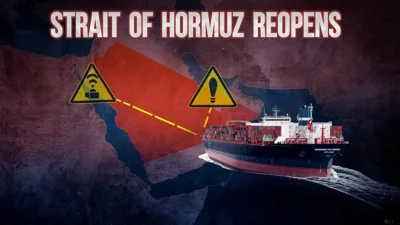
Reopening of the Strait of Hormuz: New Regulations to Impact Global Trade
Iran reopens the strategic Strait of Hormuz with new regulations affecting oil transport and global

Top 10 Must-See Attractions in NYC for First-Time Explorers
Discover essential experiences for first-time visitors to NYC, including attractions, culture, and i

Starbucks Engages Boyu Capital for Major Chinese Expansion
Starbucks teams up with Boyu Capital, selling a majority stake to boost growth and adapt to the Chin

Three Individuals Charged in Massive Meth Trafficking Case in Malaysia
In Malaysia, a married couple and another suspect are charged with trafficking 510kg of meth, facing