Post by : Saif Nasser
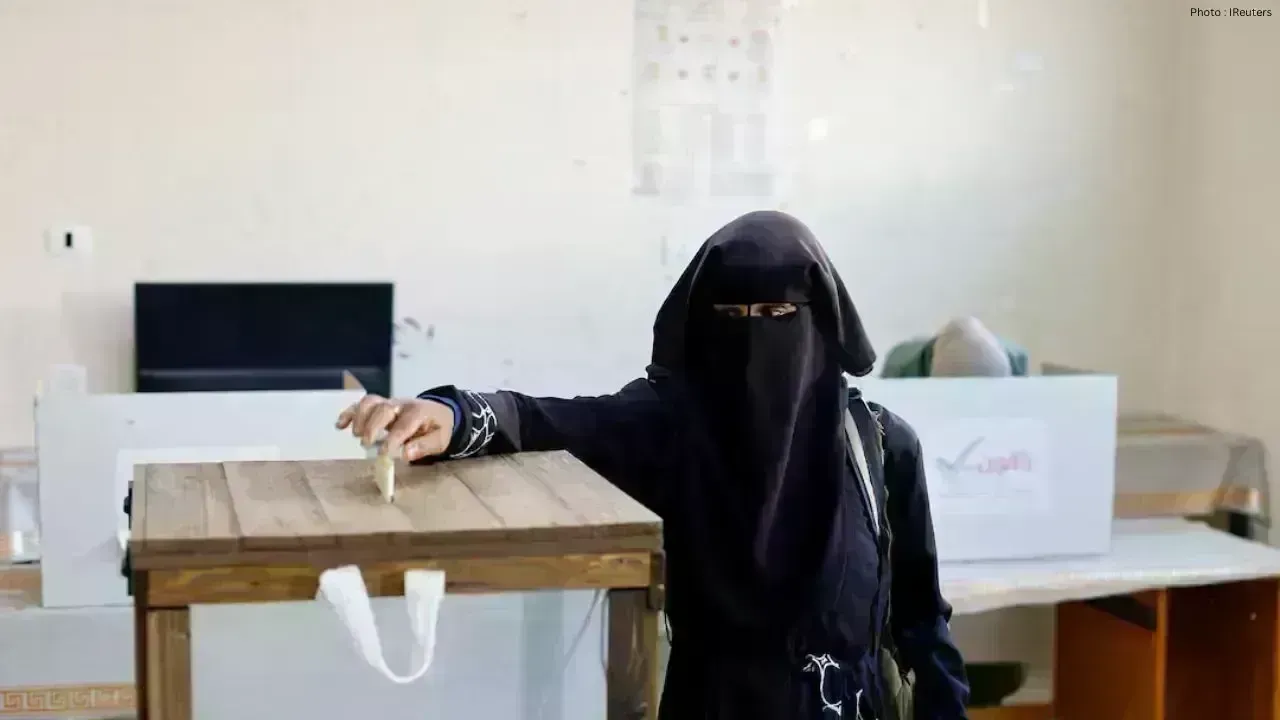
Local elections held in Palestinian territories have given many people in Gaza Strip a rare chance to vote after many years. These elections are being seen as an important step, even though the region continues to face conflict, political division, and economic hardship.
For many residents in Gaza, this is the first time they have been able to vote in nearly two decades. Elections in the area have been delayed or blocked for years due to tensions between political groups and ongoing conflict. The latest vote, held in selected areas such as Deir al-Balah, is part of a wider effort by the Palestinian Authority to restart democratic processes.
The elections are local in nature, meaning they focus on city and municipal leadership rather than national government. These local bodies are responsible for basic services like water supply, waste management, and roads. In a region where infrastructure has been heavily damaged by war, these roles are very important for daily life.
However, the elections are not without challenges. The political divide between the Palestinian Authority, which controls parts of the West Bank, and Hamas, which has influence in Gaza, has made it difficult to organize full and fair elections across all regions. Hamas officially boycotted the vote, although some candidates are believed to be linked to the group.
The timing of the elections is also important. They come after years of conflict, including the war that began in 2023. Large parts of Gaza have been damaged, and many people have been displaced. In such conditions, holding elections is a complex task. Polling stations had to be set up carefully, sometimes in temporary spaces, to allow people to participate.
Despite these difficulties, more than one million voters were eligible to take part in the elections across different areas. For many, this vote is not just about choosing local leaders but also about having a voice after years of silence. It offers a sense of participation and hope, even if the impact is limited in the short term.
At the same time, voter turnout and public trust remain concerns. Many people are frustrated with political leadership and slow progress in improving living conditions. Some areas even saw limited competition, with only one group of candidates running, which reduces the sense of choice for voters.
International observers and regional powers are watching these elections closely. They see them as a possible step toward larger political reforms, including future legislative or presidential elections. However, for that to happen, deeper political unity and stability will be needed.
The elections also reflect a larger issue in Palestinian politics. The lack of regular voting over the years has created a gap between leaders and citizens. Rebuilding trust will take time and consistent efforts.
Even with all the challenges, the elections carry symbolic importance. They show that democratic processes can still take place, even in difficult conditions. For the people of Gaza, the chance to vote again is a reminder of their right to be heard.
The path ahead remains uncertain. Political divisions, security concerns, and economic struggles continue to affect daily life. But these elections may serve as a small step toward rebuilding institutions and giving people a stronger voice in their future.





Global Energy Crisis Intensifies: Markets React to Oil Supply Challenges
Markets are on edge as oil disruptions escalate, influencing prices and economic stability. Explore

Must-See Tourist Spots in London You Can't Overlook
Explore London's essential attractions, from royal landmarks to vibrant markets, ensuring an unforge

Ultimate Guide to Snagging Cheap Flights in 2026
Unlock the secrets to booking affordable flights in 2026 with insightful tips and strategies tailore

The Impact of Consistent Small Investments on Wealth Building
Discover how investing small amounts regularly can positively transform your financial future over t

7.5 Magnitude Earthquake Strikes Japan, Tsunami Alerts Issued
Japan experiences a hefty 7.5 quake, prompting tsunami alerts and safety measures. Stay updated on a

Reopening of the Strait of Hormuz: New Regulations to Impact Global Trade
Iran reopens the strategic Strait of Hormuz with new regulations affecting oil transport and global