Post by : Saif Nasser
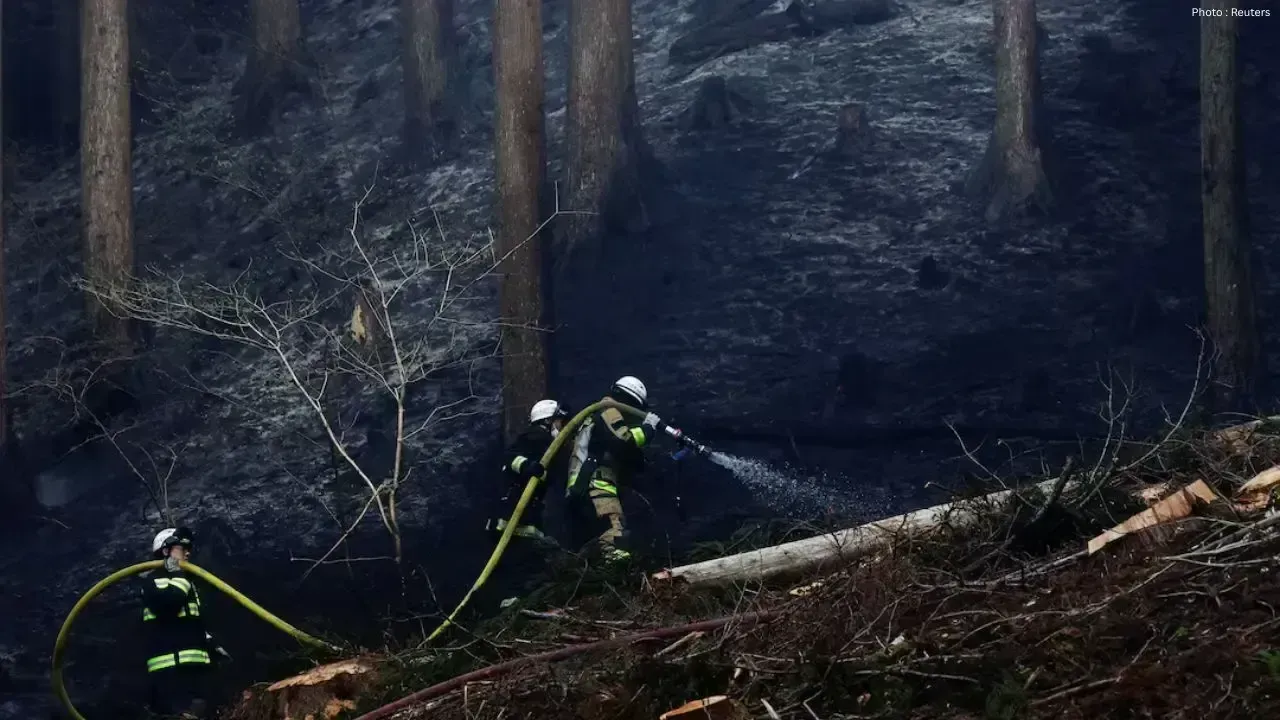
Wildfires in northern Japan have created a serious emergency, as large blazes continue to spread across Iwate Prefecture. Thousands of residents have been forced to leave their homes while firefighters work hard to bring the situation under control.
The fires have been burning for several days and have not yet been fully contained. Reports show that more than 1,000 firefighters, along with helicopters and emergency teams, are involved in the operation. Despite these efforts, strong winds and dry conditions are making it difficult to stop the flames.
One of the worst-affected areas is the town of Otsuchi, where the fire has moved dangerously close to residential zones. Authorities have ordered about one-third of the town’s population to evacuate. In total, more than 3,000 people have been moved to safer locations as a precaution.
The fires are believed to have started in forested and mountainous areas before spreading quickly due to weather conditions. Dry vegetation and strong winds have allowed the flames to travel faster, making it harder for emergency teams to control the situation.
Helicopters are being used to drop water on the burning areas, while ground teams are trying to stop the fire from reaching homes and important infrastructure. However, the terrain is challenging, and firefighters are facing difficult conditions on the ground.
For local residents, the situation is tense and uncertain. Many people have left their homes with only basic belongings. Evacuation centers have been set up to provide shelter, food, and support. Authorities have urged people to follow safety instructions and avoid returning to risky areas.
The fires also raise concerns about environmental damage. Forest areas are being destroyed, and wildlife habitats are at risk. Smoke from the fires has spread across nearby regions, affecting air quality and daily life.
Japan has experienced similar wildfires in the past, but experts say that changing weather patterns may be making such events more frequent and intense. Longer dry periods and higher temperatures can increase the risk of forest fires.
The current situation highlights the importance of disaster preparedness. Quick response by emergency services has helped prevent even greater damage, but the scale of the fires shows how difficult such natural disasters can be to control.
Authorities are continuing their efforts to contain the flames and protect affected communities. The coming days will be important in deciding how quickly the fires can be brought under control and when evacuated residents can safely return home.
The wildfire crisis in Iwate is a reminder of how natural disasters can affect lives without warning. It also shows the need for strong emergency systems, public awareness, and ongoing efforts to deal with environmental challenges.






Global Energy Crisis Intensifies: Markets React to Oil Supply Challenges
Markets are on edge as oil disruptions escalate, influencing prices and economic stability. Explore

Must-See Tourist Spots in London You Can't Overlook
Explore London's essential attractions, from royal landmarks to vibrant markets, ensuring an unforge

Ultimate Guide to Snagging Cheap Flights in 2026
Unlock the secrets to booking affordable flights in 2026 with insightful tips and strategies tailore

The Impact of Consistent Small Investments on Wealth Building
Discover how investing small amounts regularly can positively transform your financial future over t

7.5 Magnitude Earthquake Strikes Japan, Tsunami Alerts Issued
Japan experiences a hefty 7.5 quake, prompting tsunami alerts and safety measures. Stay updated on a
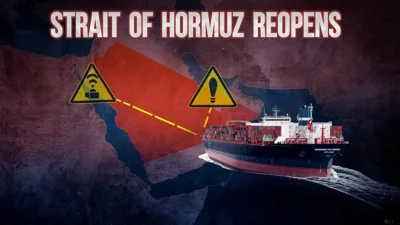
Reopening of the Strait of Hormuz: New Regulations to Impact Global Trade
Iran reopens the strategic Strait of Hormuz with new regulations affecting oil transport and global