Post by : Anees Nasser
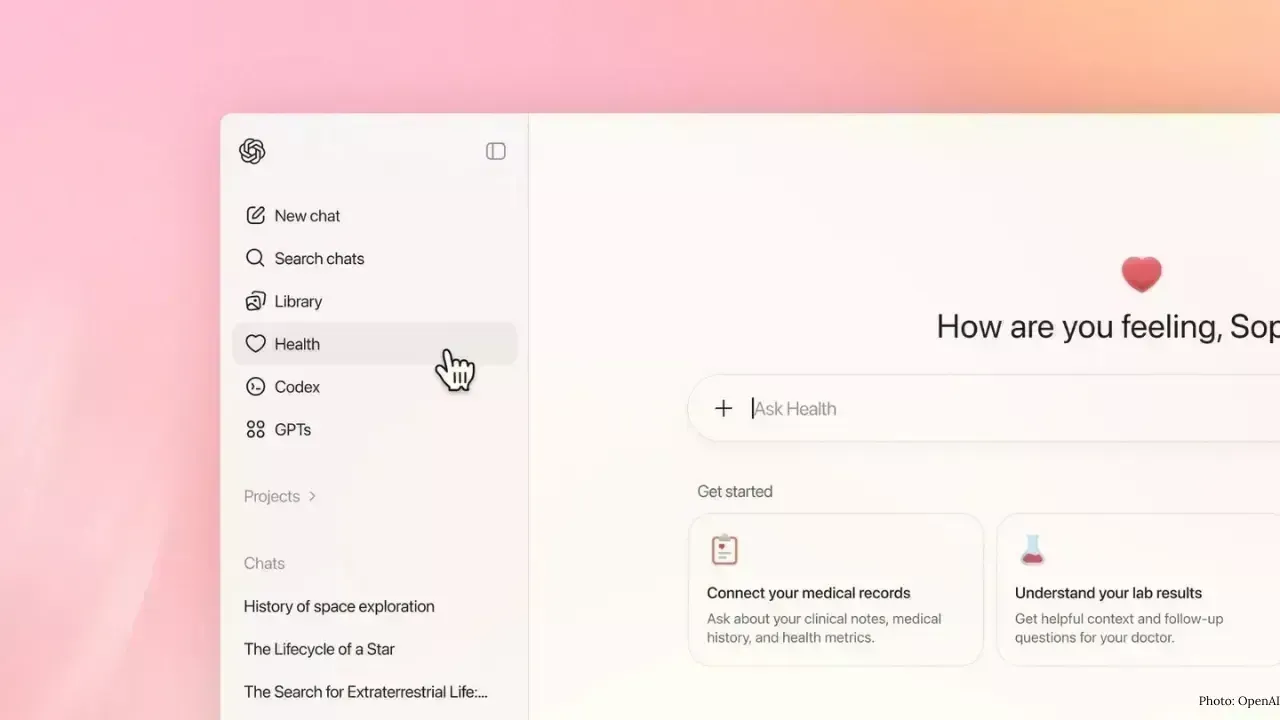
Artificial intelligence is not just reshaping industries—it is now transforming personal health and wellness. With its introduction of ChatGPT Health, OpenAI is carving out a new space for personalized wellness tools, designed to give users bespoke health information through conversational interactions.
In contrast to conventional health applications that depend heavily on static queries and one-size-fits-all suggestions, ChatGPT Health features a dynamic dialogue where users can engage naturally. Its mission is to facilitate a clearer understanding of daily health matters and wellness aspirations, without diminishing the important roles of medical professionals.
This launch arrives at a moment when there is a mounting demand for user-friendly, personalized digital solutions for managing various aspects of health, including stress, fitness, diet, and sleep. By positioning itself at the confluence of technology and daily health, ChatGPT Health aims to provide small, yet impactful insights that can foster meaningful change over time.
ChatGPT Health serves as an interactive wellness companion, responding to user input and preferences while taking their objectives into account. Rather than delivering generic recommendations, the tool aims to contextualize its answers to fit individual lifestyles, challenges, and habits.
Users can engage in discussions about fitness regimes, dietary choices, sleep practices, and stress management, receiving straightforward tips, actionable insights, and recommendations that empower healthier living.
Crucially, ChatGPT Health does not position itself as a medical diagnostic tool. Its focus is strictly on wellness education and support, advocating the idea that informed daily choices can significantly influence long-term health outcomes.
A key feature of ChatGPT Health is its user-friendly conversational interface. Many find traditional health applications daunting due to complicated medical terminologies and rigid data entry. This innovative AI system encourages users to voice their concerns in their own language.
This approach reduces barriers, especially for those hesitant to engage with conventional wellness platforms. By aligning with users’ language and emotions, it promotes frequent and meaningful interactions over sporadic engagements.
Recent trends indicate a growing interest in preventive health measures rather than simply treating illnesses as they arise. More individuals are now focused on stress management, physical exercise, dietary improvements, and better sleep habits.
ChatGPT Health aligns perfectly with this trend, promoting daily wellness choices rather than emergency responses to health issues. It underscores that enduring health comes from gradual, consistent actions rather than sporadic, dramatic efforts.
Despite an influx of wellness apps, many users experience digital fatigue stemming from overly complex interfaces and constant reminders that feel more overwhelming than helpful.
ChatGPT Health tackles this challenge head-on by simplifying interactions. Rather than logging every detail, it focuses on insightful conversations, assisting users in reflecting on their wellness journey and facilitating gradual improvements. This relatable dialogue may encourage sustained engagement.
While personalization is a valuable asset, it comes with its own set of challenges. OpenAI has designed ChatGPT Health with firm boundaries, ensuring it does not issue medical diagnostics, prescribe treatments, or substitute professional healthcare advice.
Instead, it provides foundational wellness advice, information, and suggestions while encouraging users to consult healthcare professionals when necessary. This balance is designed to empower without fostering misplaced confidence in AI.
The system’s capacity to adapt its tone and depth of response helps ensure that answers resonate with the specific needs of users. A person asking for fitness motivation might receive general encouragement, but someone inquiring about stress management could be offered more in-depth coping techniques.
This level of responsiveness ensures that interactions remain relevant and respectful of individual circumstances, steering clear of topics requiring professional diagnostics.
Given the personal nature of health data, trust is pivotal for any digital wellness platform. OpenAI has prioritized privacy protections, recognizing the need for users to feel secure about their data management.
The system minimizes unnecessary data retention while ensuring user control over their interactions. By centering on general wellness rather than sensitive medical histories, it alleviates concerns over the confidentiality of stored information.
Transparency is essential for developing trust. Users will be clear on what ChatGPT Health can provide, helping to manage expectations realistically. This openness can mitigate risks of misuse and foster a healthy user relationship with AI tools.
AI technologies first made a mark through automation and productivity enhancements. As they transition into wellness support roles, tools like ChatGPT Health reflect this natural evolution, emphasizing holistic human needs.
This AI innovation illustrates a broader trend wherein user experience and emotional understanding take precedence in technological development.
Rather than supplanting healthcare professionals, ChatGPT Health plays a supportive role. It encourages users to prepare smarter questions for consultations and to grasp basic health concepts, all while maintaining focus on individual wellness goals in between professional visits.
By filling this supportive role, the tool has the potential to decrease unnecessary anxiety and promote proactive health management.
Many individuals find it challenging to stick to exercise, nutrition, or sleep patterns. ChatGPT Health offers reminders, motivational encouragement, and practical strategies tailored to busy lifestyles.
For instance, someone juggling a hectic work life may receive quick fitness suggestions or straightforward meal planning tips. This adaptability fosters a sense of attainability in wellness pursuits rather than cultivating feelings of overwhelm.
Contemporary living often brings elevated stress and mental fatigue. While ChatGPT Health does not replace qualified mental health counselors, it offers guidance on general stress-relief strategies such as mindfulness exercises and time management tips.
These incremental interventions can help users detect stress signals early and take proactive measures to address them.
One crucial ethical consideration in AI wellness tools is the risk of overreliance. OpenAI has addressed this by designing ChatGPT Health to promote user independence rather than dependence.
Responses frequently emphasize personal choice, reminding users that AI should complement, not replace, professional advice or personal judgment.
The system is built to communicate responsibly, avoiding alarmist language or definitive claims, which can create unnecessary worry and highlight the tool’s educational purpose.
ChatGPT Health may redefine user expectations for wellness technology, promoting an environment where conversational systems that adapt to user needs thrive over static protocols.
This pivot could spur innovation throughout the digital health sector, motivating developers to prioritize user engagement and trust.
Through its engaging communication style, ChatGPT Health stands to democratize wellness information. It encourages individuals who might find medical content intimidating to take part confidently, fostering a more informed user base.
Such inclusivity can bridge informational gaps and empower diverse audiences to maintain control over their well-being.
As the capabilities of AI technology expand, managing user expectations is essential. Communicating its limitations will be vital in preventing misconceptions.
ChatGPT Health’s focus on wellness versus diagnostic intervention addresses some of these concerns, but continuous education is vital as the tool evolves.
Wellness perceptions are shaped by cultural background, social contexts, and personal experiences. Ensuring that AI guidance remains appropriate and adjustable across varied contexts will be critical as the tool gains traction globally.
What makes ChatGPT Health particularly compelling is its commitment to user-centric listening. By allowing individuals to express their concerns in their own words, it honors their unique experiences and perspectives.
This emphasis on listening reflects a broader trend toward technology designed to assist rather than dictate.
Ultimately, the strength of ChatGPT Health lies in its ability to help users more clearly comprehend their habits and decisions. By simplifying complex wellness topics into practical suggestions, it enables informed decision-making.
The rollout of ChatGPT Health signifies a notable step into the integration of AI into personal wellness management. Focusing on customized, conversational, and responsible support, OpenAI offers a tool that bridges technological progress with ethical considerations.
ChatGPT Health does not pledge immediate transformations or medical remedies, but provides a consistently accessible resource to help individuals navigate their daily health decisions. As AI technology advances, this model could become a benchmark for enhancing human well-being while respecting the role of professional healthcare.
This article is for informational purposes only. ChatGPT Health is intended to provide general wellness support and should not be viewed as a substitute for professional medical advice, diagnosis, or treatment.










Anticipated Dates for UAE Eid Al Adha 2026 Unveiled by Astronomical Experts
Experts predict Eid Al Adha 2026 in the UAE to start on May 27, prompting early holiday planning amo

DAE Achieves Remarkable Growth in Q1 2026 With Record Revenue
Dubai Aerospace Enterprise announces impressive financial results for Q1 2026, reflecting a surge in

Price Increase for Sony PS5 in Southeast Asia Effective May 1
Sony announces a price increase for the PS5 across Southeast Asia starting May 1, 2026, impacting ga

Potential ‘Super El Niño’ in 2026: Understanding the Climate Risks
Could a Super El Niño emerge in 2026? Discover its implications and potential global climate impacts

Global Energy Crisis Intensifies: Markets React to Oil Supply Challenges
Markets are on edge as oil disruptions escalate, influencing prices and economic stability. Explore

Must-See Tourist Spots in London You Can't Overlook
Explore London's essential attractions, from royal landmarks to vibrant markets, ensuring an unforge




