Post by : Saif Nasser
The ongoing conflict in the Middle East has made global shipping more dangerous, especially in the Strait of Hormuz. Recent reports highlight how oil tankers moving through this region are facing serious threats, putting both crews and global trade at risk.
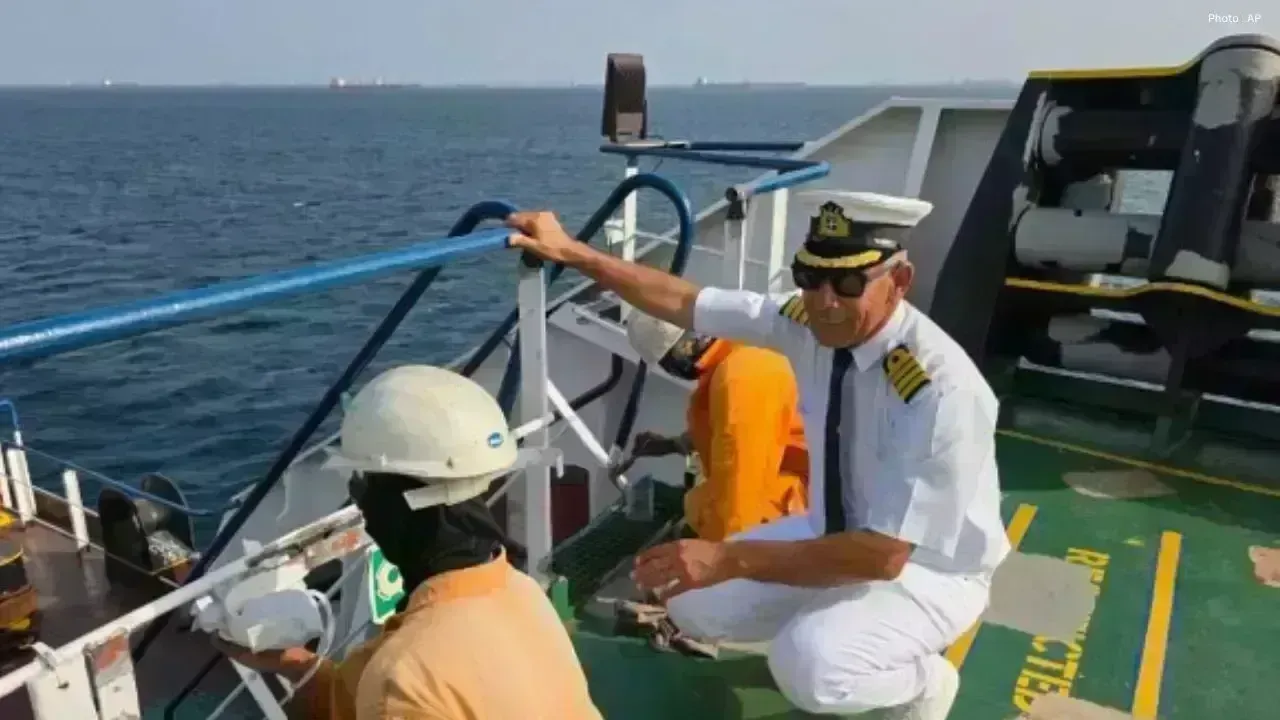
One such case involves an experienced Iraqi ship captain who continues to sail through these risky waters despite the growing danger. His journey shows how difficult and stressful life has become for those working at sea during this crisis. Ships carrying oil are now potential targets, with threats coming from missiles, drones, and armed attacks.
The Strait of Hormuz is one of the most important waterways in the world. Around one-fifth of the world’s oil passes through this narrow route every day. Any disruption here can affect fuel prices and economies across the globe.
In recent days, tensions have increased due to military actions and restrictions placed on shipping. Reports say that Iranian forces have fired on vessels and imposed controls in the area. Some tankers have even been forced to change their routes or turn back due to safety concerns.
At the same time, the United States has taken steps to block certain ships linked to Iran. This has led to direct confrontations at sea, increasing the risk of further conflict. As both sides take strong positions, commercial shipping is caught in the middle.
For sailors and crew members, the situation is extremely challenging. They must continue their work while facing the constant fear of attack. Many ships now operate with smaller crews and follow strict safety drills in case of emergencies. The mental stress on workers is high, as they remain far from their families while navigating dangerous routes.
The crisis has also affected global oil markets. Prices have already started rising due to supply fears. When tankers are delayed or blocked, it reduces the flow of oil to countries that depend on imports. This can lead to higher fuel costs and economic pressure on businesses and households.
Experts warn that even if tensions ease, it may take a long time for normal shipping to return. Infrastructure damage, security concerns, and insurance costs are all factors that can slow down recovery. The longer the conflict continues, the greater the impact on global trade and energy supply.
The situation also highlights how important safe sea routes are for the world economy. A single chokepoint like the Strait of Hormuz can influence prices and supply chains worldwide. When such routes become unsafe, the effects are felt far beyond the region.
For now, shipping companies, governments, and international organizations are closely monitoring developments. Efforts are being made to ensure safety, but uncertainty remains high.
The oil tanker crisis in the Strait of Hormuz is a clear reminder of how global trade depends on stability. Until tensions reduce, risks to shipping, energy supply, and economic stability are likely to continue.







Achieve Radiant Skin with This Simple Rice Flour Treatment
Transform your skincare routine! Discover how a rice flour mix can restore your skin's glow without

Meta Unveils Subscription Plans for Instagram, Facebook, and WhatsApp
Meta introduces new subscription plans for users of Instagram, Facebook, and WhatsApp, featuring enh

Suvarna Joy on Education Leadership, Resilience, and Building Purpose Through Adversity in the UAE
Suvarna Joy shares her journey of education leadership, motherhood, faith, and resilience within the

Anticipated Dates for UAE Eid Al Adha 2026 Unveiled by Astronomical Experts
Experts predict Eid Al Adha 2026 in the UAE to start on May 27, prompting early holiday planning amo

DAE Achieves Remarkable Growth in Q1 2026 With Record Revenue
Dubai Aerospace Enterprise announces impressive financial results for Q1 2026, reflecting a surge in

Price Increase for Sony PS5 in Southeast Asia Effective May 1
Sony announces a price increase for the PS5 across Southeast Asia starting May 1, 2026, impacting ga




