Post by : Monika
Photo: Reuters
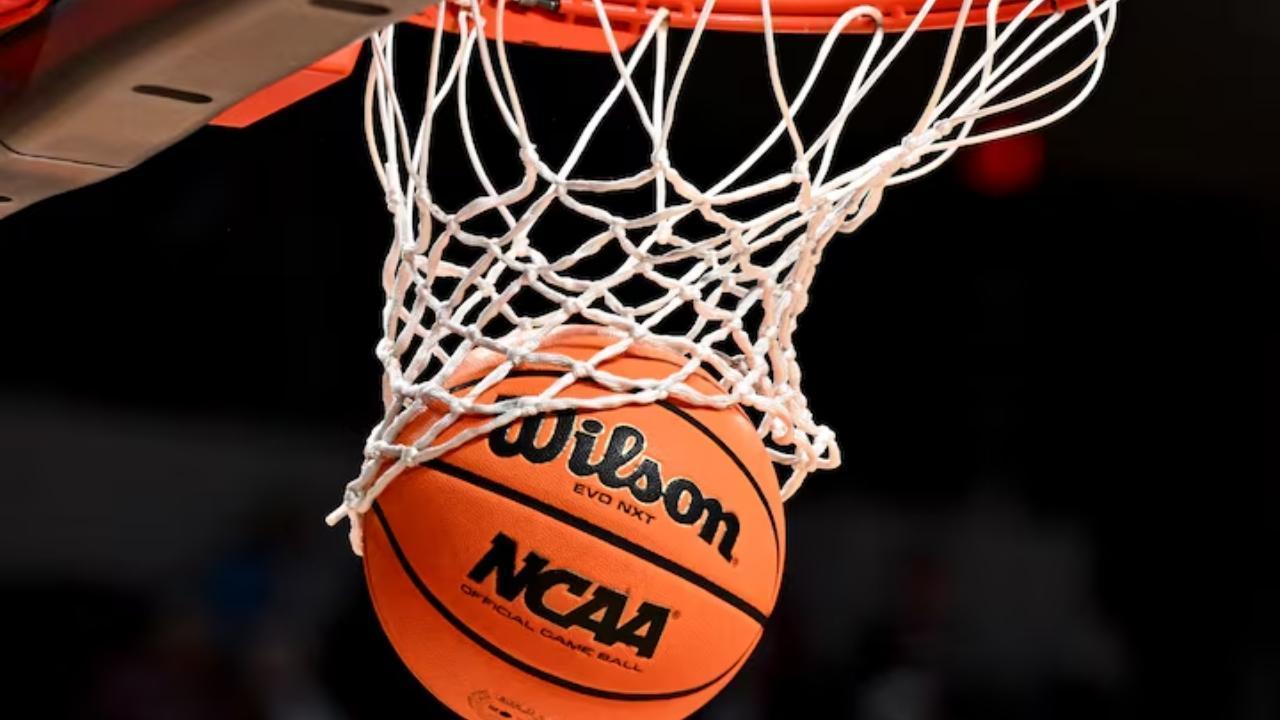
A recent court decision has brought important news for college sports in the United States. The NCAA, which is the main organization that runs college sports, and Ohio State University have won a big legal battle. This lawsuit was about whether student-athletes should be paid for playing sports while going to school.
What Was the Lawsuit About?
The lawsuit was started by a group of college athletes. They argued that the NCAA and Ohio State should pay them money for playing sports, like football and basketball. These athletes said they worked hard and made a lot of money for their schools and the NCAA through games, TV deals, and merchandise. But the players themselves did not get paid except for scholarships to study.
The athletes said this was unfair because their hard work made a lot of money, but they only got help to pay for school and some other expenses. They wanted to get paid more like professional players do.
What Did the Court Decide?
The court looked carefully at the case and decided in favor of the NCAA and Ohio State. The judge said that the NCAA and Ohio State did not have to pay the student-athletes more money beyond what they already receive.
The court explained that the NCAA’s rules allow student-athletes to get scholarships that pay for tuition, housing, food, and other school costs. The judge said these scholarships are a fair way to help athletes while they study and play sports.
The court also said that the NCAA does not have to treat college athletes like professional players. College sports are different because they focus on education first, and the players are students before anything else.
What Does This Mean for Student-Athletes?
This decision means that student-athletes in the NCAA will not automatically get paid salaries or wages just for playing sports. They will continue to receive scholarships and some other support from their schools. But paying players like workers is still not allowed under the current NCAA rules.
However, this does not stop student-athletes from making money in other ways. New rules now let them earn money from their own name, image, and likeness (NIL). For example, players can get paid if they have sponsorship deals, promote brands, or use social media to make money. But schools and the NCAA do not have to pay them salaries directly.
Why Did the Court Rule This Way?
The judge said that the NCAA’s main goal is to protect the education of student-athletes. Paying them like professionals could change college sports in a way that might hurt education.
The court also noted that many athletes want to play sports because they enjoy the game and want to get a good education, not just to earn money.
Besides, the court said that the NCAA and schools already provide valuable scholarships and support, which are a form of payment that helps students a lot.
What Did the NCAA and Ohio State Say?
After the ruling, the NCAA and Ohio State both said they were happy with the decision. They said this helps keep college sports special by focusing on education and fair competition.
The NCAA also said it supports new rules that allow players to make money from their own personal deals, like through NIL agreements. But it said paying athletes salaries from schools or the NCAA would change the whole system in ways that might not be good for college sports.
What About the Athletes Who Filed the Lawsuit?
The athletes who brought the lawsuit were disappointed by the decision. They said they believe college sports are a big business, and players should get paid more fairly for the money they help create.
They said scholarships alone are not enough because players often have very busy schedules and risk injuries that could hurt their future careers. They want changes to make sure players can earn money directly from their schools or the NCAA.
What Does This Mean for the Future?
This court ruling is important because it keeps the current college sports system mostly the same. But it also shows how complicated the issue is. Many people agree that college athletes should get more help and chances to earn money.
In recent years, many states have passed laws to let college athletes make money from endorsements and other deals. The NCAA has changed some rules to allow this. But paying players a salary or wage from schools or the NCAA is still not allowed.
The decision may mean more talks and new ideas are needed to find a fair way to support student-athletes. Some experts think schools and the NCAA should offer more benefits like better scholarships, health care, and education support.
This decision shows how college sports in the U.S. balance between education and athletics. For now, scholarships remain the main way to support student-athletes, and paying them like professionals is not required.






DAE Achieves Remarkable Growth in Q1 2026 With Record Revenue
Dubai Aerospace Enterprise announces impressive financial results for Q1 2026, reflecting a surge in

Price Increase for Sony PS5 in Southeast Asia Effective May 1
Sony announces a price increase for the PS5 across Southeast Asia starting May 1, 2026, impacting ga

Potential ‘Super El Niño’ in 2026: Understanding the Climate Risks
Could a Super El Niño emerge in 2026? Discover its implications and potential global climate impacts

Global Energy Crisis Intensifies: Markets React to Oil Supply Challenges
Markets are on edge as oil disruptions escalate, influencing prices and economic stability. Explore

Must-See Tourist Spots in London You Can't Overlook
Explore London's essential attractions, from royal landmarks to vibrant markets, ensuring an unforge

Ultimate Guide to Snagging Cheap Flights in 2026
Unlock the secrets to booking affordable flights in 2026 with insightful tips and strategies tailore




