Post by : Saif Nasser
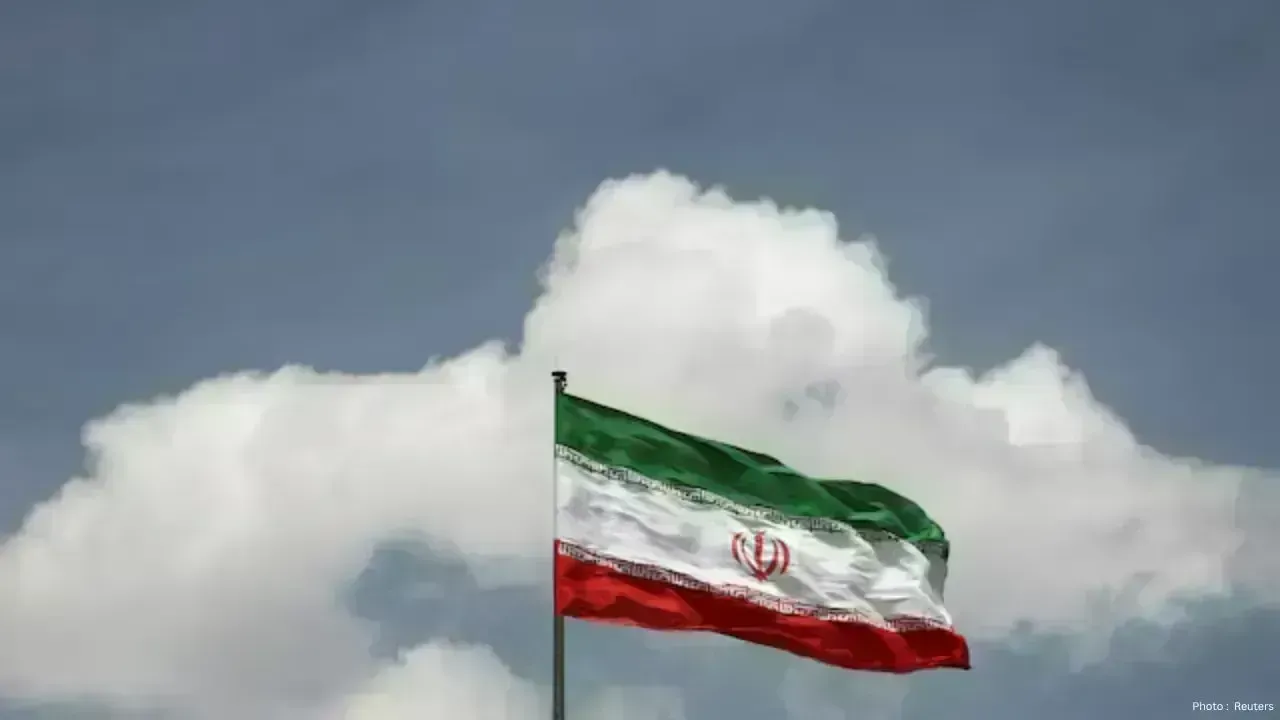
The United States has announced that its hostilities with Iran, which began in late February, have now “terminated” for the purpose of meeting legal requirements under the War Powers Resolution. This statement comes just as an important deadline approached, raising questions about both law and politics in Washington.
The War Powers Resolution is a US law that limits how long a president can carry out military action without approval from Congress. It generally requires the president to either get permission from lawmakers or end military operations within 60 days. In this case, that deadline falls at the start of May, following the beginning of the conflict in late February.
To address this deadline, officials from the US administration said that hostilities have effectively ended due to a ceasefire that began in early April. They noted that there has been no direct fighting between US forces and Iran for several weeks. Based on this, the government argues that the legal time limit no longer applies.
This claim is important because it allows the administration to avoid seeking formal approval from Congress. However, it has also led to debate among lawmakers and experts. Some believe that the situation is being described in a way that avoids legal responsibility, while others support the move as practical and necessary.
The conflict itself started when the United States carried out military strikes on Iranian targets. This led to a period of tension and risk in the region, with concerns about possible escalation into a wider war. Although a ceasefire has reduced direct fighting, the overall situation remains tense.
Many lawmakers have raised concerns about the balance of power between the president and Congress. Under the US system, Congress has the authority to declare war, while the president serves as commander-in-chief of the military. The War Powers Resolution was created to make sure both branches share responsibility, but disagreements about its use continue.
Critics argue that even if active fighting has stopped, the broader conflict has not truly ended. They say that military forces remain in position and tensions are still high, which means the situation should still fall under the law’s requirements. Supporters of the administration, however, say that the absence of active combat justifies the decision.
This situation reflects a larger issue in modern conflicts. Today, wars are often not clearly defined, and military actions may take place without a formal declaration. This makes it harder to apply laws that were designed for more traditional forms of warfare.
The ceasefire itself is another point of concern. While it has brought a temporary pause in violence, it does not guarantee long-term peace. Experts warn that tensions could rise again if talks fail or if new incidents occur.
The global impact of the conflict has already been felt. Tensions in the Middle East have affected oil prices, trade routes, and international relations. Even a short period of instability can create economic and political challenges around the world.
At home, the issue is also political. Lawmakers are debating whether the administration has acted within its limits. Questions about transparency, accountability, and proper procedure are being raised as the situation continues to develop.
The decision to declare hostilities as “terminated” may help avoid immediate legal pressure, but it does not fully settle the larger debate. The role of Congress, the limits of presidential power, and the future of the conflict all remain open questions.
The situation between the United States and Iran remains uncertain. While the current pause in fighting has reduced immediate danger, the deeper issues have not been resolved. The coming weeks will be important in determining whether this calm continues or if tensions rise again.







DAE Achieves Remarkable Growth in Q1 2026 With Record Revenue
Dubai Aerospace Enterprise announces impressive financial results for Q1 2026, reflecting a surge in

Price Increase for Sony PS5 in Southeast Asia Effective May 1
Sony announces a price increase for the PS5 across Southeast Asia starting May 1, 2026, impacting ga

Potential ‘Super El Niño’ in 2026: Understanding the Climate Risks
Could a Super El Niño emerge in 2026? Discover its implications and potential global climate impacts

Global Energy Crisis Intensifies: Markets React to Oil Supply Challenges
Markets are on edge as oil disruptions escalate, influencing prices and economic stability. Explore

Must-See Tourist Spots in London You Can't Overlook
Explore London's essential attractions, from royal landmarks to vibrant markets, ensuring an unforge

Ultimate Guide to Snagging Cheap Flights in 2026
Unlock the secrets to booking affordable flights in 2026 with insightful tips and strategies tailore




