Post by : Shweta
As the Iran crisis intensifies, Gulf monarchies find themselves in an increasingly precarious strategic environment. Countries such as Saudi Arabia, the UAE, Qatar, Bahrain, Kuwait, and Oman are striving to navigate the complex interplay of security dilemmas, economic pressures, and diplomatic relations amid escalating tensions with Iran, the U.S., and Israel.
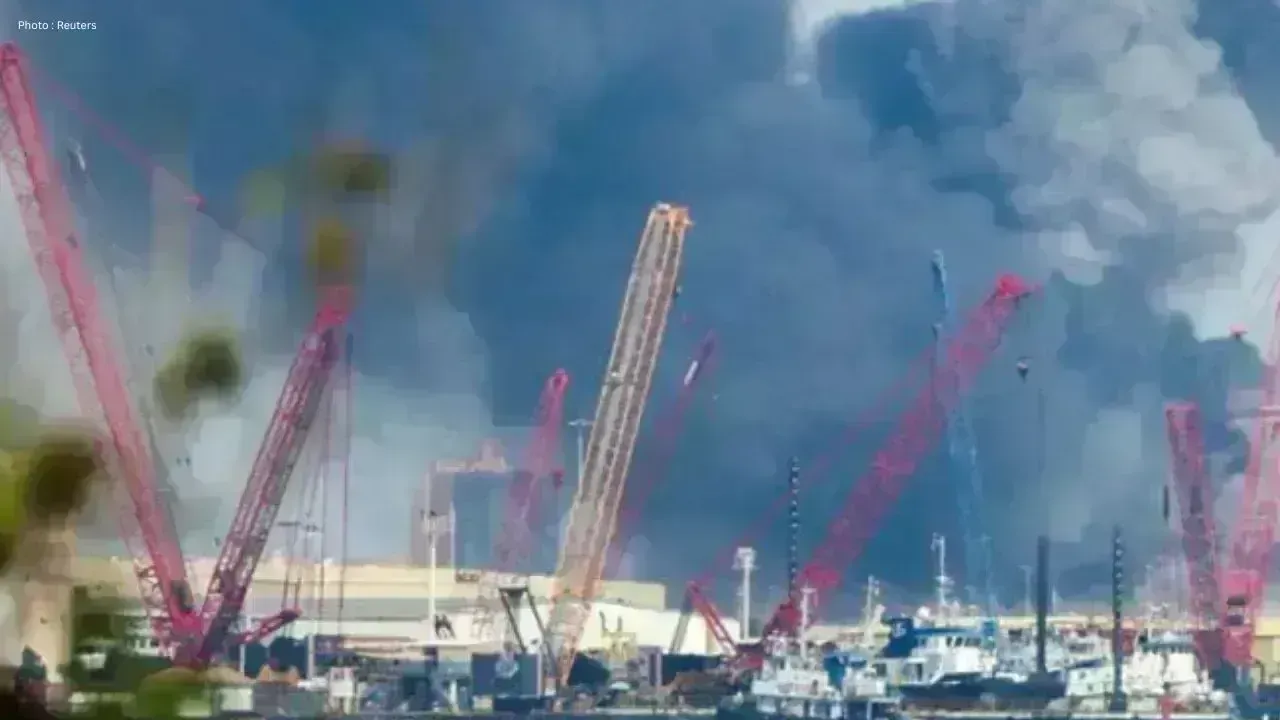
The ongoing conflict has engendered significant uncertainty throughout the Gulf region. Military actions, naval blockades, and related incidents are disrupting vital trade and energy routes. Historically reliant on security ties with the United States, these nations are now caught in a dilemma involving economic and political ties with Iran, which complicates their response to the crisis.
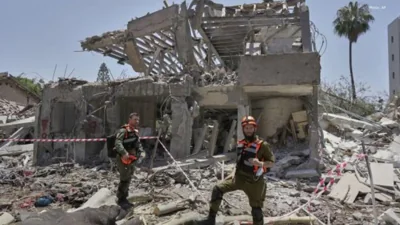
Regional analysts suggest that Gulf states are cautiously avoiding direct military engagement, instead emphasizing diplomatic avenues for de-escalation. Nevertheless, nations such as Saudi Arabia, Qatar, and the UAE are confronting security threats, illustrated by drone attacks and missile strikes that have targeted crucial infrastructure and civilian areas.
The Strait of Hormuz stands out as a focal point of concern, being pivotal for global oil and gas shipments. With almost 20% of the world’s energy trade passing through this strait, recent tensions have already led to reduced shipping activities and heightened oil prices.
The economic ramifications of the crisis are profound and worsening for Gulf states. Although surging oil prices could provide short-term fiscal benefits for some, the long-term damages from instability—seasoned by diminished tourism, shipping interruptions, and wariness from investors—are becoming increasingly evident. Recent reports indicate that the Gulf Cooperation Council is experiencing its most severe economic downturn since the COVID-19 pandemic as a result of the persistent conflict.
Security assessments reveal growing vulnerabilities among Gulf monarchies as the struggle endures. Various reports reveal that substantial resources from missile defense systems have been deployed to counter Iranian attacks, raising concerns about future defensive capabilities in a prolonged conflict scenario.
On the diplomatic front, Gulf nations are striving to maintain relations with both Tehran and Washington. Oman has assumed a mediative role in negotiations between the two powers, while other states advocate for regional discussions and political resolutions. However, experts note that military strategies largely remain dictated by larger global players, underscoring the limitations of the Gulf monarchies’ sway.
Additionally, the crisis is prompting a re-evaluation of defense strategies in the region. Analysts suggest that Gulf monarchies might seek enhanced collective security measures and reinforce collaboration within the Gulf Cooperation Council, realizing that reliance on external powers for protection may become insufficient in a turbulent Middle East.
Iran, meanwhile, reiterates its ambition to assert control over security in the Gulf, particularly around the Strait of Hormuz, a move that raises alarms for Gulf monarchies about the shifting power dynamics.
In essence, the evolving Iran crisis poses significant strategic challenges to Gulf monarchies as they attempt to safeguard their economies, sidestep military entanglements, foster international ties, and maintain internal stability. As the situation develops, Gulf leaders will likely encounter even more intricate political and security predicaments.






DAE Achieves Remarkable Growth in Q1 2026 With Record Revenue
Dubai Aerospace Enterprise announces impressive financial results for Q1 2026, reflecting a surge in

Price Increase for Sony PS5 in Southeast Asia Effective May 1
Sony announces a price increase for the PS5 across Southeast Asia starting May 1, 2026, impacting ga

Potential ‘Super El Niño’ in 2026: Understanding the Climate Risks
Could a Super El Niño emerge in 2026? Discover its implications and potential global climate impacts

Global Energy Crisis Intensifies: Markets React to Oil Supply Challenges
Markets are on edge as oil disruptions escalate, influencing prices and economic stability. Explore

Must-See Tourist Spots in London You Can't Overlook
Explore London's essential attractions, from royal landmarks to vibrant markets, ensuring an unforge

Ultimate Guide to Snagging Cheap Flights in 2026
Unlock the secrets to booking affordable flights in 2026 with insightful tips and strategies tailore




