Post by : Shweta
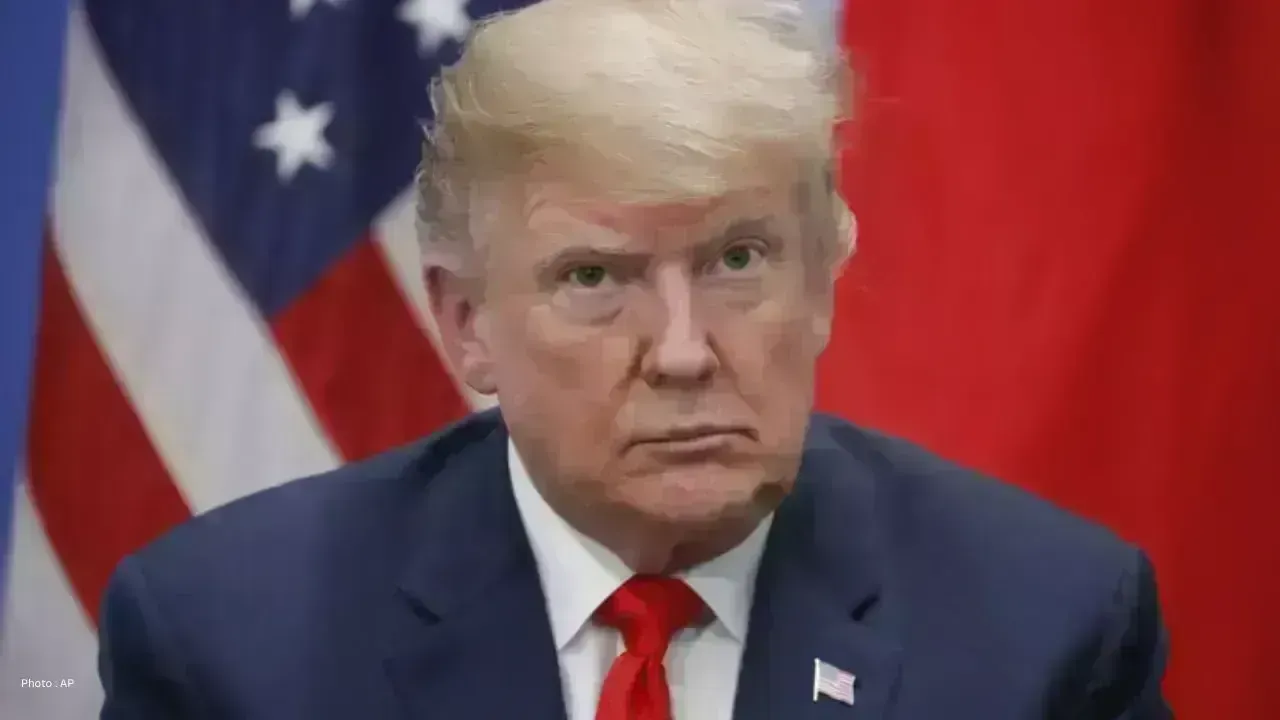
In response to soaring global fuel prices, US President Donald Trump convened with prominent American oil and energy executives amid the ongoing crisis over Iran's port blockade. The meeting centered on the ramifications of the US naval blockade on Iranian ports and its cascading effects on global energy markets due to the heightened tensions in the Strait of Hormuz.
Reports indicate that Trump engaged with executives from leading oil and commodity firms, including key figures from major US energy producers like Chevron. Discussions revolved around strategies for maintaining oil supplies and stabilizing the fuel market should the Iranian blockade extend over the coming months. Topics included oil production levels, shipping logistics, natural gas delivery, and maintaining persistent economic pressure on Iran.
As the United States intensified its naval presence near Iranian ports and shipping lanes, the crisis has worsened. The blockade has hampered significant oil export routes connected to the Persian Gulf, particularly the Strait of Hormuz, a pivotal artery for global energy trade. Approximately 20% of the world's oil and gas shipments transit this vital area, making the current circumstances exceedingly precarious for international markets.
With rising uncertainties, oil prices have hit their peak levels in over four years, with Brent crude now above $126 per barrel, significantly affecting gasoline prices in the U.S. Analysts warned that an extended blockade might trigger global inflation, causing substantial pressure on transportation, manufacturing, and household fuel costs.
Trump has advocated for the blockade as a viable strategy, asserting that economic pressure on Iran is yielding better results than direct military engagement. He cautioned that the blockade may persist for months unless Iran agrees to broader diplomatic resolutions concerning its nuclear undertakings and regional security issues. Conversely, Iran is demanding the lifting of shipping and port access restrictions before deeper negotiations can commence.
Energy analysts note that this scenario is generating significant instability within global oil markets. Firms dealing in shipping and oil are encountering delays, soaring insurance fees, and reduced tanker operations across the Gulf. Recent findings also indicate that millions of barrels of Iranian crude oil are now stranded in floating storage due to drastically slowed exports under the US blockade.
The ongoing hostilities are further adversely impacting Iran's economy, with rising inflation and a devaluing currency, alongside diminishing oil export revenues caused by sustained sanctions and military limitations. Experts predict that the longer the blockade remains active, the more severe the financial strain will be on both Iran and the global energy landscape.
While the White House has yet to finalize any decisions regarding the blockade's future, Trump's recent discussions with oil industry leaders signal preparations for a prolonged situation that could continue to influence fuel prices and global economic stability in the foreseeable future.







DAE Achieves Remarkable Growth in Q1 2026 With Record Revenue
Dubai Aerospace Enterprise announces impressive financial results for Q1 2026, reflecting a surge in

Price Increase for Sony PS5 in Southeast Asia Effective May 1
Sony announces a price increase for the PS5 across Southeast Asia starting May 1, 2026, impacting ga

Potential ‘Super El Niño’ in 2026: Understanding the Climate Risks
Could a Super El Niño emerge in 2026? Discover its implications and potential global climate impacts

Global Energy Crisis Intensifies: Markets React to Oil Supply Challenges
Markets are on edge as oil disruptions escalate, influencing prices and economic stability. Explore

Must-See Tourist Spots in London You Can't Overlook
Explore London's essential attractions, from royal landmarks to vibrant markets, ensuring an unforge

Ultimate Guide to Snagging Cheap Flights in 2026
Unlock the secrets to booking affordable flights in 2026 with insightful tips and strategies tailore




