Post by : Anees Nasser
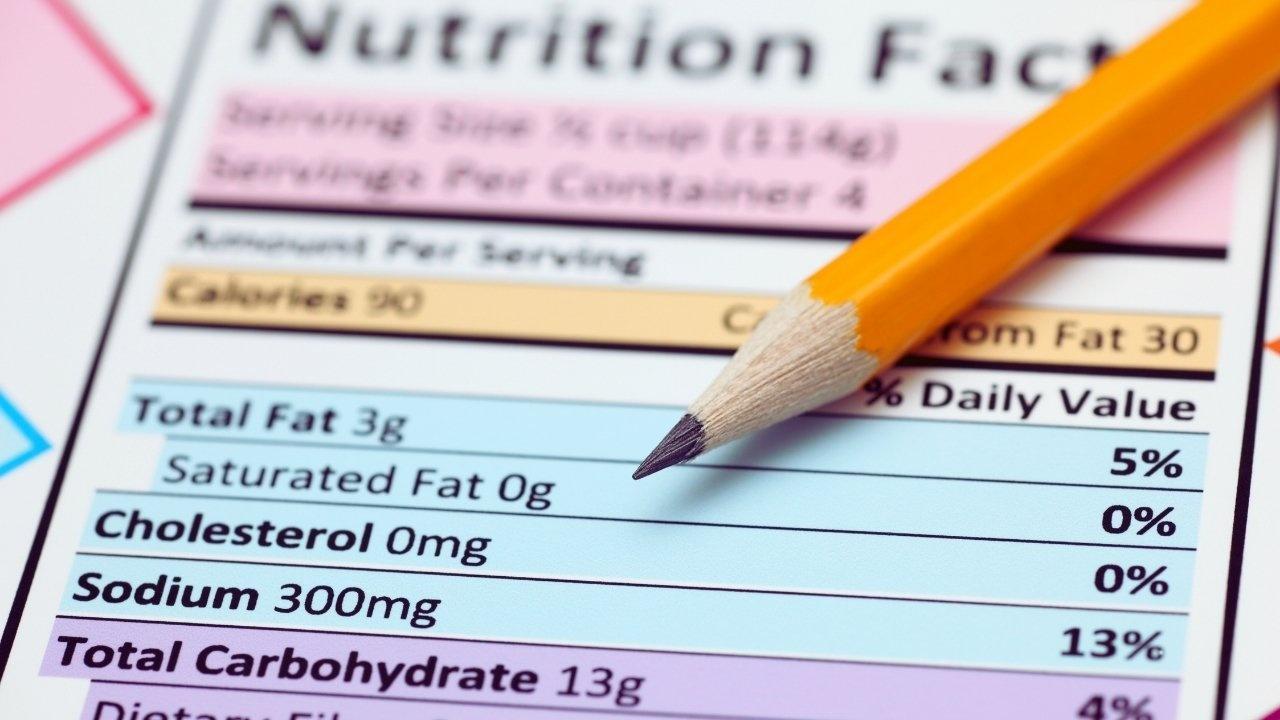
Last week, a significant update to nutrition labels has begun reshaping how consumers read and understand packaged foods. For years, shoppers confronted confusing panels, small text, misleading claims and inconsistent serving suggestions. The revamped version—now appearing on products in supermarkets—addresses these persistent challenges by streamlining information, clarifying portions, and emphasizing critical nutrients in an accessible format.
Nutrition labels significantly influence consumer dietary decisions. However, with busy lifestyles and overwhelming jargon, many shoppers fail to grasp these details. The new update targets these barriers, fostering a more intuitive and reader-friendly approach that echoes actual eating habits. This change comes at a time when consumer awareness of health and nutrition is notably rising, as individuals increasingly compare offerings rather than depend solely on branding.
This article delves into these modifications, their importance, consumer reactions, and the potential long-term effects on nutritional choices.
Experts and consumer advocates have consistently pointed out that previous label designs, while informative, lacked ease of use.
Consumers frequently found the old label format confusing. Nutrient listings were often devoid of context, daily values were difficult to interpret, and portion sizes were not representative of usual consumption.
Claims such as “low-fat,” “sugar-free,” and “multigrain” often misled consumers about product healthiness.
Some products featured serving sizes that deviated from genuine consumption patterns, masking high levels of sugar, sodium, or fat.
Vitamins and minerals often appeared inconsistently, complicating shoppers’ ability to identify dietary gaps.
With increasing interest in wellness, fitness, and personalized nutrition, consumers needed transparent data to guide informed decisions.
The nutrition-label update seeks to rectify these issues directly.
The new label emphasizes readability, practical serving sizes, and a clearer focus on significant nutrients.
Calories are presented in a larger, bold font for immediate recognition, aiding time-pressed shoppers in making quick assessments.
New serving sizes reflect common eating habits, with beverages, snack packs, and instant meals aligning with typical consumption.
Key nutrients impacting health such as added sugars, saturated fats, and sodium are now distinctly marked. For the first time, added sugars are differentiated from natural sugars.
Daily Value percentages are clearer, assisting shoppers in understanding nutrient contributions toward daily intake.
Some brands offer optional quick-view boxes that summarize calories, sugars, fats, and sodium at a glance, enhancing browsing efficiency.
Essential vitamins and minerals are now consistently displayed, reducing shopper confusion.
These modifications collectively foster an easier, more intuitive labeling experience.
Shoppers are already noticing enhancements during their purchasing experiences.
The separate display of added sugars marks a significant update, enabling consumers to more accurately judge products that were once perceived as healthy.
Consumers previously miscalculated nutritional information based on assumptions about serving sizes; now they correspond with common consumption behaviors, allowing for more accurate comparisons.
Bold fonts and organized layouts allow consumers to juxtapose products side by side to spot discrepancies in calories, sugars, fats, and sodium.
Snacks marketed as guilt-free are revealing higher sodium and sugar levels, prompting healthier selections among shoppers.
Consumers cherish brands with straightforward, clear labeling. This transparency builds consumer confidence, especially in a market rife with marketing claims.
New labels facilitate better tracking of portions, aiding in weight management and overall health stability.
Ultimately, the update encourages healthier, more informed consumer choices.
Numerous brands are revamping their packaging to fit the updated regulations.
Minimalist designs help to emphasize nutritional details more clearly.
Better color contrast enhances label legibility.
Brands are moving away from excessive promotional claims, prioritizing transparency.
Several products now offer simplified ingredient descriptions to align with enhanced label clarity.
Ultimately, packaging evolves to serve as a vehicle for education rather than mere marketing.
Supermarkets are adjusting their environments to facilitate shopper adaptation to the new labels.
Certain supermarkets are now displaying simplified nutritional indicators alongside price tags.
Items meeting specific nutrient criteria are grouped together for easier browsing.
Staff members are being trained to help customers better navigate the new labeling system.
Some retailers are promoting healthier alternatives aligned with the new label insights.
These adjustments aim to reinforce the goals set by the new nutrition labels.
The recent label changes draw wide support from nutrition experts.
Nutritionists believe these updates will lead consumers from impulsive buying to more thoughtful evaluations.
Increased clarity regarding nutrients such as fiber and sodium aligns with contemporary dietary guidelines.
Easier-to-read labels cultivate knowledge about healthy eating in individuals of all ages.
In the long term, these changes could reduce diseases linked to excessive sugar and sodium intake.
Nutritionists hope consumers will view labels as practical guidance rather than mere regulatory text.
Families stand to gain significantly from clearer nutrition labels.
Parents can make healthier snack choices for their children with more assurance.
The visibility of added sugars helps parents sidestep hidden sugars in kids' products.
Families can arrange balanced meals with easier comprehension of nutrient contents.
Older adults managing specific sodium, fat, or sugar allowances find the new labels easier to navigate.
Teenagers shopping independently gain clearer insights into their options.
This update transforms everyday shopping trips into valuable nutrition lessons.
Food companies are undergoing substantial modifications in response to the updates.
Numerous brands are revising recipes to lower added sugars and sodium in order to remain competitive.
Brands must deliver clearer ingredient and nutrient disclosures, limiting room for ambiguous claims.
Manufacturers may opt for different ingredients or processes to meet elevated nutritional expectations.
Some brands are leveraging the update to showcase cleaner ingredients or superior quality.
While the transition necessitates effort, it positions brands more favorably for emerging consumer demands.
As always occurs with major changes, some misinterpretations are circulating.
Not accurate—serving sizes were revised to reflect actual consumption patterns.
In reality, added sugars have always existed; they are just now labeled separately.
Healthy fats, like those from nuts and seeds, remain beneficial; labels help discern the type and quantity of fat.
Not necessarily; the nutritional quality holds greater significance than mere calorie counts.
The updated labels encourage nuanced comprehension rather than fear.
The new label format is expected to cause widespread impacts.
Decreased sugar and sodium consumption may reduce risks for conditions like heart disease, diabetes, and obesity.
Clearer nutritional information encourages consumption of whole foods.
Children raised with simplified labels adopt healthier habits at a younger age.
As the appetite for healthier packaged foods grows, manufacturers must keep pace.
These transformations collectively contribute to healthier populations.
Check two similar items—insights will often surprise you.
These key nutrients have the most significant impact on long-term health.
Short, recognizable lists typically indicate higher quality.
Pay attention to fiber, protein, and essential micronutrients.
Whether emphasizing heart health or weight management, utilize labels to guide your decisions.
The more engaged shoppers are with the label system, the more intuitive it becomes.
The revamped nutrition label signifies more than a mere design overhaul—it reflects a broader shift towards transparency, empowerment, and healthier choices for everyday shoppers. By clarifying serving sizes, focusing on essential nutrients, and enhancing readability, this update bridges the long-existing gap between packaged food information and consumer understanding.
As families grow increasingly health-conscious and global packaged food consumption remains high, these labeling changes could shape dietary behaviors, urge manufacturers towards cleaner offerings, and strengthen public health initiatives in the long run. Ultimately, the new labels provide consumers with what they have long sought: transparency, honesty, and the ability to make informed choices.
This article serves as general information and summarizes recent updates related to food packaging and should not substitute for medical or dietary advice.










Anticipated Dates for UAE Eid Al Adha 2026 Unveiled by Astronomical Experts
Experts predict Eid Al Adha 2026 in the UAE to start on May 27, prompting early holiday planning amo

DAE Achieves Remarkable Growth in Q1 2026 With Record Revenue
Dubai Aerospace Enterprise announces impressive financial results for Q1 2026, reflecting a surge in

Price Increase for Sony PS5 in Southeast Asia Effective May 1
Sony announces a price increase for the PS5 across Southeast Asia starting May 1, 2026, impacting ga

Potential ‘Super El Niño’ in 2026: Understanding the Climate Risks
Could a Super El Niño emerge in 2026? Discover its implications and potential global climate impacts

Global Energy Crisis Intensifies: Markets React to Oil Supply Challenges
Markets are on edge as oil disruptions escalate, influencing prices and economic stability. Explore

Must-See Tourist Spots in London You Can't Overlook
Explore London's essential attractions, from royal landmarks to vibrant markets, ensuring an unforge




