Post by : Saif Nasser
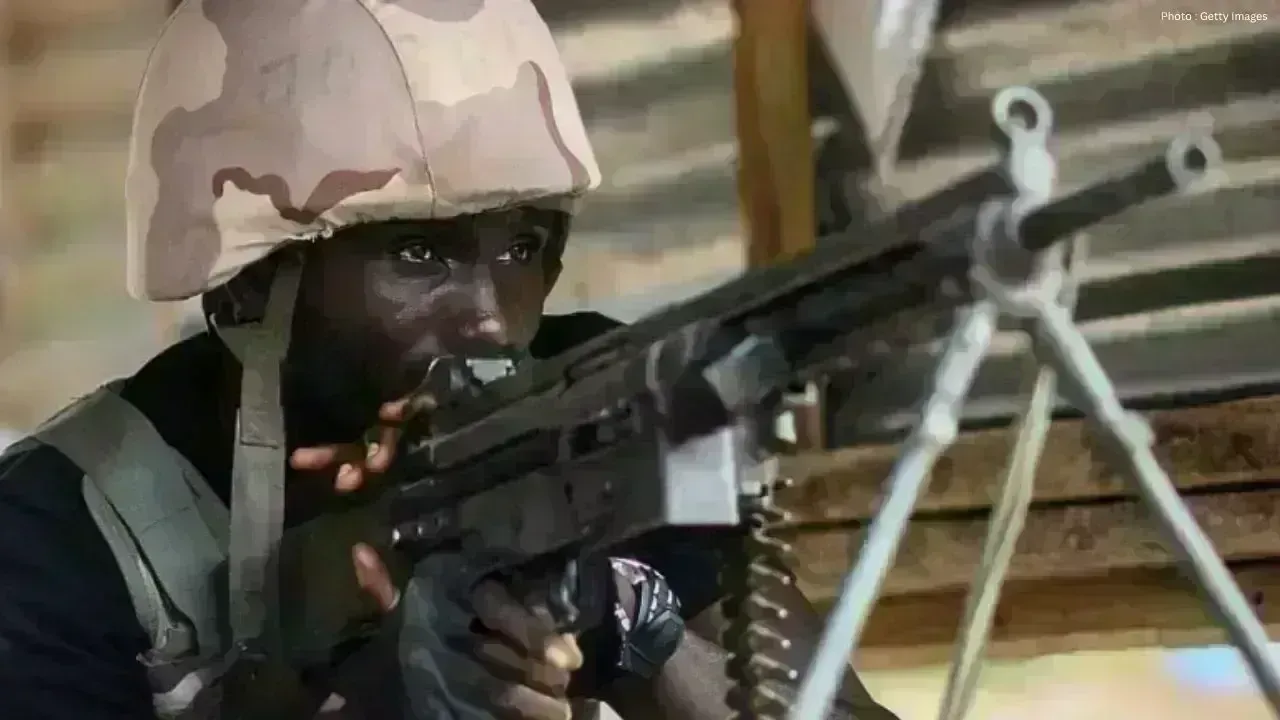
At least 29 people were killed when gunmen attacked a village in northeastern Nigeria’s Adamawa state. This shocking incident has once again raised serious concerns about safety and security in the region. The attack shows that violence is still a major problem in parts of Nigeria, especially in the northeast.
The gunmen entered the village late at night when people were asleep. Residents were caught by surprise and had little chance to escape. The attackers fired at homes and caused panic. By the time security forces arrived, the gunmen had already fled. Many families were left in grief, with homes damaged and lives lost.
Reports suggest that the attack was carried out by fighters linked to the Islamic State. This group has been active in Nigeria and nearby regions. It often targets small villages where there is less security. The attack in Adamawa follows a pattern seen in many other incidents over the years.
Northeastern Nigeria has faced violence for more than a decade. Groups like Boko Haram and its offshoots have carried out many attacks. They target civilians, security forces, and public places. States like Adamawa, Borno, and Yobe have suffered the most. People living in these areas often feel unsafe and uncertain about their future.
In rural areas, the situation is even worse. Villages are far from cities, and security presence is limited. This allows attackers to strike easily and escape quickly. Many communities have learned to live in fear, especially at night when most attacks happen.
The causes of this violence are complex. The conflict began years ago but has grown into a bigger problem. Different armed groups now operate in the same region. Some follow extreme ideas, while others are driven by power and control. This makes it harder for the government to stop them.
Poverty is another major issue. Many young people in these areas do not have access to good education or jobs. Armed groups take advantage of this situation. They recruit youths by offering money or a sense of belonging. This keeps the cycle of violence going.
The human cost of such attacks is very high. The 29 people killed were innocent civilians. They were farmers, workers, parents, and children. Their deaths have left families broken and communities in deep sorrow. Survivors now have to deal with fear and uncertainty.
Many people who survive such attacks are forced to leave their homes. They move to camps for displaced persons where living conditions are difficult. Food, clean water, and healthcare are often limited. Children in these camps may not be able to attend school, affecting their future.
The Nigerian government has condemned the attack and promised to improve security. The military has been fighting these armed groups for years. There have been some successes, but attacks continue to happen. This shows that more needs to be done.
One big challenge is the geography of the region. Many areas are remote and hard to reach. Armed groups hide in forests and difficult terrain. Security forces find it hard to track them. This gives attackers an advantage.
Experts believe that military action alone is not enough. Along with security operations, there should be efforts to improve education, create jobs, and support local communities. When people have better opportunities, they are less likely to join violent groups.
The international community can also help by providing support and sharing information. However, the main responsibility lies with Nigeria. Strong leadership and better planning are needed to bring lasting peace.
This attack in Adamawa is a reminder that the security crisis in Nigeria is still ongoing. It shows the urgent need for action to protect innocent lives. People in the region deserve peace, safety, and a better future.
The killing of 29 people is not just a number. It is a tragic loss that highlights the real impact of violence. If strong steps are not taken, such attacks may continue, putting more lives at risk.







Price Increase for Sony PS5 in Southeast Asia Effective May 1
Sony announces a price increase for the PS5 across Southeast Asia starting May 1, 2026, impacting ga

Potential ‘Super El Niño’ in 2026: Understanding the Climate Risks
Could a Super El Niño emerge in 2026? Discover its implications and potential global climate impacts

Global Energy Crisis Intensifies: Markets React to Oil Supply Challenges
Markets are on edge as oil disruptions escalate, influencing prices and economic stability. Explore

Must-See Tourist Spots in London You Can't Overlook
Explore London's essential attractions, from royal landmarks to vibrant markets, ensuring an unforge

Ultimate Guide to Snagging Cheap Flights in 2026
Unlock the secrets to booking affordable flights in 2026 with insightful tips and strategies tailore

The Impact of Consistent Small Investments on Wealth Building
Discover how investing small amounts regularly can positively transform your financial future over t