Post by : Mina Rahman
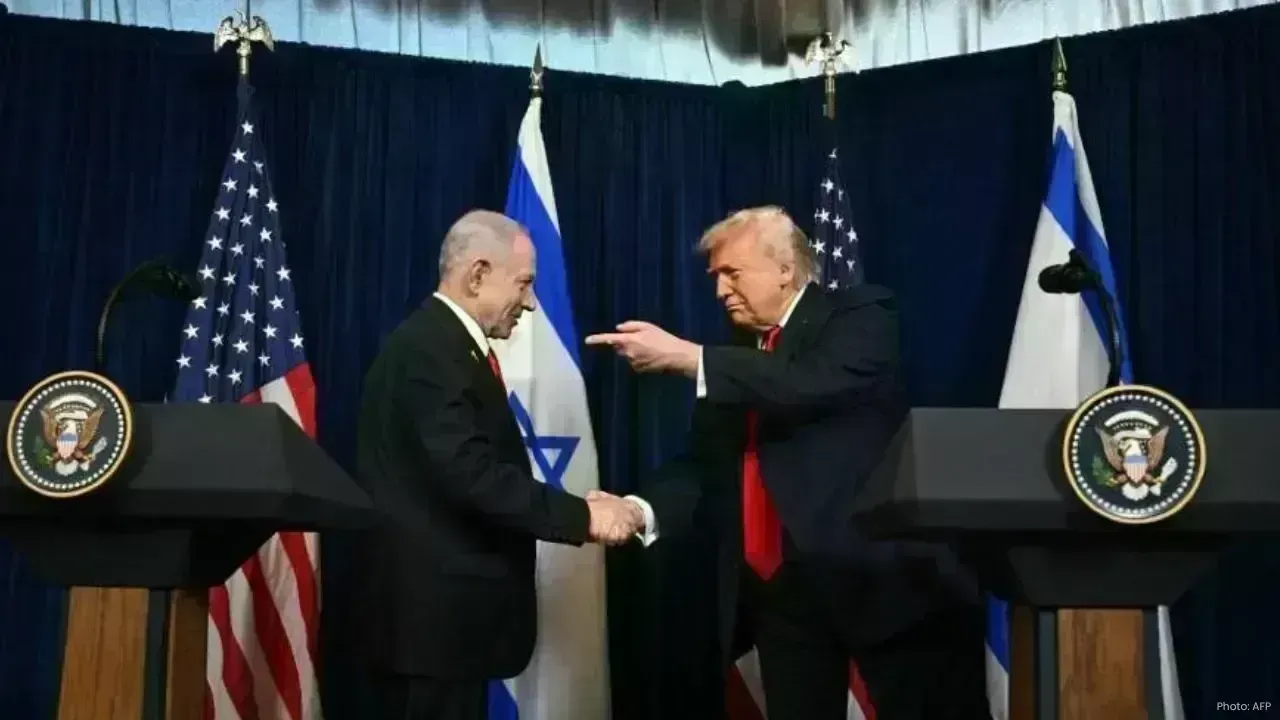
Israeli Prime Minister Benjamin Netanyahu has articulated his vision for Israel to achieve the capability of independently managing its defense requirements without U.S. military support over the next decade. In a recent interview published last Friday, he underscored the advancements in Israel's economy and defense sector.
Historically, the United States has been Israel's most significant military ally, authorizing the sale of military equipment worth hundreds of millions of dollars to bolster Israel’s ongoing conflict against Hamas in Gaza. Defense collaboration between both nations has been steadfast for decades and remains a crucial aspect of their shared strategic rapport.
In discussing his engagement with American leaders, Netanyahu expressed deep appreciation for the military aid extended by the U.S. over the years. He emphasized that Israel has attained a level of military sophistication and economic strength sufficient to cater to its defense needs.
Notably, Netanyahu highlighted the rapid expansion of Israel's economy, forecasting it could approach one trillion dollars within ten years. In light of this growth, he proposed that Israel should start decreasing its reliance on U.S. military assistance, aiming for a gradual cessation of said aid over the decade.
Under a defense arrangement established in 2016, Israel receives approximately $3.8 billion annually from the United States for military procurement. This agreement, which commenced in 2019, is set to last until 2028.
Research organizations indicate that Israel has accumulated over $300 billion in military and economic assistance from the U.S. since its founding in 1948, when adjusted for inflation, establishing Israel as one of the largest beneficiaries of American foreign aid.
Earlier this year, amid reportedly strained relations with U.S. President Donald Trump, Netanyahu suggested that Israel would ultimately need to “wean itself off” U.S. military support, although he did not specify a timeline at that point.
In a distinct and controversial discourse in September, Netanyahu expressed concerns about Israel's increasing global isolation, advocating for a “super-Sparta” model. After facing backlash, he clarified that the intention was to fortify Israel's defense industry and ensure self-sufficiency to prevent disruptions in future supplies.
Netanyahu's remarks indicate a significant strategic shift in Israel’s defense policy, aiming for greater autonomy while maintaining robust diplomatic and security ties with its allies.







DAE Achieves Remarkable Growth in Q1 2026 With Record Revenue
Dubai Aerospace Enterprise announces impressive financial results for Q1 2026, reflecting a surge in

Price Increase for Sony PS5 in Southeast Asia Effective May 1
Sony announces a price increase for the PS5 across Southeast Asia starting May 1, 2026, impacting ga

Potential ‘Super El Niño’ in 2026: Understanding the Climate Risks
Could a Super El Niño emerge in 2026? Discover its implications and potential global climate impacts

Global Energy Crisis Intensifies: Markets React to Oil Supply Challenges
Markets are on edge as oil disruptions escalate, influencing prices and economic stability. Explore

Must-See Tourist Spots in London You Can't Overlook
Explore London's essential attractions, from royal landmarks to vibrant markets, ensuring an unforge

Ultimate Guide to Snagging Cheap Flights in 2026
Unlock the secrets to booking affordable flights in 2026 with insightful tips and strategies tailore




