Post by : Sami Jeet
Maintaining stable blood sugar levels is pivotal for overall wellness, energy maintenance, and the prevention of chronic conditions such as type 2 diabetes. While medications have their place, diet plays a fundamental role in naturally regulating blood sugar. By knowing which foods influence glucose levels, you can enhance your health and improve your long-term well-being.
This guide discusses key dietary practices, beneficial food choices, and lifestyle recommendations for holistic blood sugar management.
Blood sugar or glucose serves as the main energy source for the body, primarily derived from carbohydrates. Insulin, produced by the pancreas, is the hormone responsible for transporting glucose from the bloodstream to cells.
When the body has difficulty utilizing insulin or becomes resistant, it can lead to elevated blood sugar levels, increasing susceptibility to:
Type 2 diabetes
Cardiovascular disease
Renal issues
Nerve impairment
Utilizing diet to control blood sugar emphasizes glucose stabilization, improving insulin response, and minimizing inflammation.
The glycemic index (GI) determines how quickly foods raise blood sugar. Low GI food options release glucose gradually, curbing spikes and crashes.
Examples of low-GI choices:
Whole grains: Brown rice, barley, oats, quinoa
Legumes: Black beans, lentils, chickpeas
Non-starchy veggies: Broccoli, kale, zucchini, spinach
Fruits: Apples, pears, oranges, berries
Tip: Combining carbs with protein or healthy fats can aid further in blood sugar regulation.
Fiber helps control glucose absorption and slows digestion.
Foods rich in fiber:
Vegetables: Cauliflower, Brussels sprouts, carrots
Fruits: Guava, avocados, raspberries
Nuts and seeds: Chia seeds, flaxseeds, almonds
Legumes: Lentils, kidney beans, black-eyed peas
Daily fiber recommendation: Strive for 25–30 grams to promote blood sugar balance and gut health.
Protein consumption can slow the absorption of carbohydrates, thus minimizing blood sugar surges post-meal and promoting lean muscle mass for better insulin sensitivity.
Top protein sources:
Lean meats: Turkey, chicken
Fish: Sardines, mackerel, salmon (rich in omega-3s)
Plant-based: Lentils, tofu, chickpeas
Low-fat dairy and eggs
Tip: Ensure every meal incorporates protein to help control energy and sugar levels throughout the day.
Moving away from old misconceptions, healthy fats actually enhance blood sugar control, slowing digestion and supporting heart health.
Good fat sources:
Avocados
Nuts: Walnuts, pistachios, almonds
Seeds: Flaxseeds, pumpkin seeds, chia seeds
Moderate olive oil and coconut oil
Fatty fish rich in omega-3s
Tip: Stay clear of trans fats and heavily processed oils, which may lead to insulin resistance.
Foods high in refined carbohydrates can cause quick spikes in blood sugar, overwhelming insulin production.
To reduce:
Pastries, white bread, cakes
Sugary drinks and sodas
Sweet cereals
Packaged snacks laden with sugar
Tip: Opt for whole-grain wins, natural sweeteners such as stevia, or fresh fruits.
Certain herbs and spices can help with lowering blood sugar levels:
Cinnamon: Enhances insulin response
Fenugreek seeds: Lower post-meal glucose levels
Turmeric (curcumin): Aids in managing inflammation and improving insulin function
Ginger: Promotes digestibility and stabilizes glucose
Tip: Spice up your smoothies, meals, or teas with these for added benefits without additional sugar.
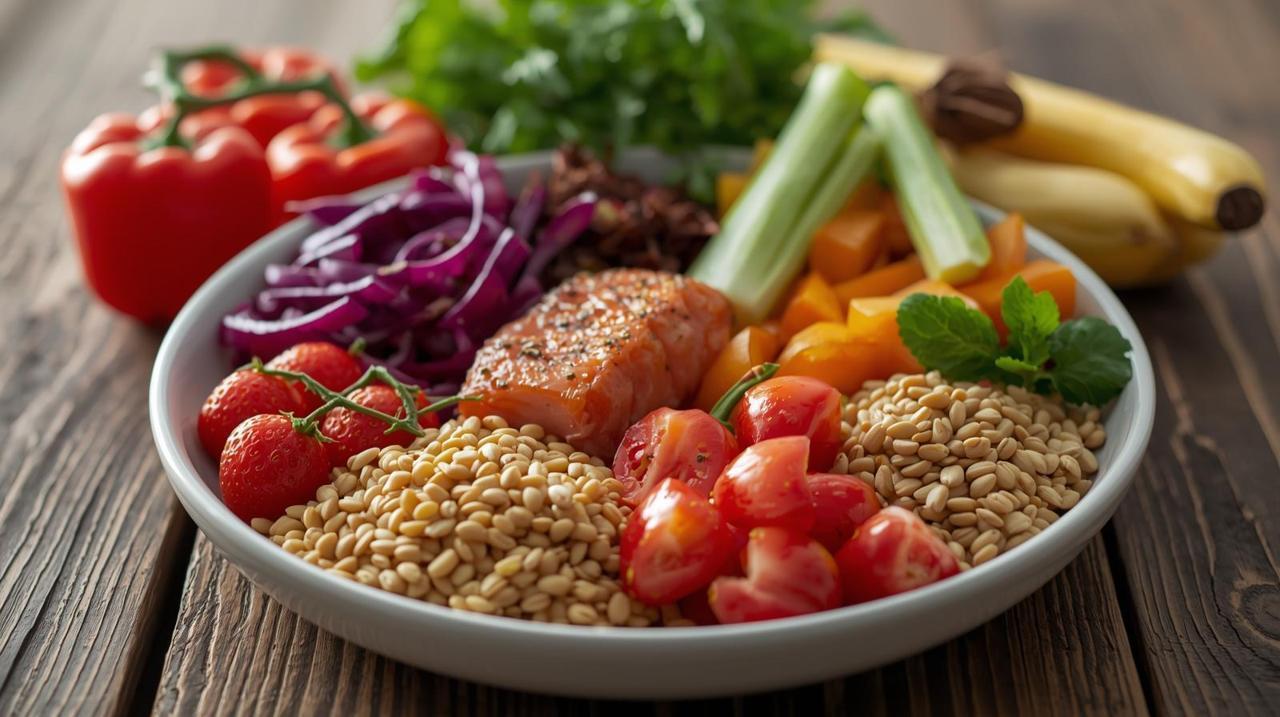
Building meals attentively can help avoid blood sugar fluctuations. A balanced meal should encompass:
Complex carbs: Whole grains or legumes
Protein: Lean meats, tofu, eggs
Healthy fats: Nuts or seeds
Fiber: Vegetables or fruits
Snack ideas:
Sliced apples with almond butter
Greek yogurt with chia seeds
Raw veggies with hummus
Consuming smaller meals regularly aids in stabilizing blood sugar and averting energy crashes.
Proper hydration is crucial for the kidneys to expel excess sugars and promote metabolic well-being.
Suggestions:
Drink 8–10 glasses of water daily
Avoid sugary beverages, including sweetened juices and sodas
Herbal teas or water infused with fruits can be flavorful options
Diet alone isn't sufficient; lifestyle choices are equally vital:
Exercise regularly: Approximately 30 minutes per day of walking, cycling, or resistance training heightens insulin sensitivity.
Manage stress: Chronic stress can spike cortisol, raising blood sugar levels. Practices like yoga, deep breathing, or meditation can help.
Adequate sleep: Insufficient slumber disrupts insulin functionality and glucose processing. Aim for 7–8 hours nightly.
Certain natural foods have proven effective in regulating blood sugar levels:
Berries: Rich in fiber and antioxidants
Leafy vegetables: Spinach, kale, collard greens
Whole grains: Quinoa, oats, barley
Legumes: Chickpeas, lentils
Nuts: Walnuts, almonds
Fatty fish: Sardines and salmon for omega-3 support
Apple cider vinegar: May help in reducing post-meal sugar spikes (use judiciously)
Even with a proper diet, keeping track of blood glucose is vital to know how your body reacts.
Monitoring tips:
Employ a glucometer or a continuous glucose monitor (CGM) as per physician advice
Document your meals and physical activities alongside glucose values
Recognize patterns and modify your diet and routine as needed
While dietary methods are impactful, consult a healthcare professional if:
Your blood sugar remains persistently elevated or low
You notice symptoms such as severe thirst, frequent urination, or fatigue
Underlying health concerns exist, like kidney or heart issues
A nutritionist or an endocrinologist can assist in formulating a personalized strategy and recommend supplements, if necessary.
By focusing on diet to manage blood sugar, individuals can:
Lower the risk of type 2 diabetes
Enhance energy levels and clarity of thought
Support heart and renal health
Keep a healthy weight and mitigate inflammation
Sustained success hinges on careful meal planning, nutritional balance, and lifestyle adaptations.
Natural dietary management of blood sugar presents a robust and lasting solution for improving overall health. By prioritizing low-GI foods, fiber, lean proteins, and healthy fats while curtailing refined carbs and sugars, you can effectively manage glucose levels and enhance health outcomes.
Alongside regular physical activity, effective stress management, and sufficient sleep, these dietary methods empower you to control your blood sugar levels naturally, warding off complications and fostering an improved quality of life.
Keep in mind: Incremental, consistent alterations in your diet and lifestyle can yield substantial benefits in blood sugar regulation and long-term health maintenance.










Anticipated Dates for UAE Eid Al Adha 2026 Unveiled by Astronomical Experts
Experts predict Eid Al Adha 2026 in the UAE to start on May 27, prompting early holiday planning amo

DAE Achieves Remarkable Growth in Q1 2026 With Record Revenue
Dubai Aerospace Enterprise announces impressive financial results for Q1 2026, reflecting a surge in

Price Increase for Sony PS5 in Southeast Asia Effective May 1
Sony announces a price increase for the PS5 across Southeast Asia starting May 1, 2026, impacting ga

Potential ‘Super El Niño’ in 2026: Understanding the Climate Risks
Could a Super El Niño emerge in 2026? Discover its implications and potential global climate impacts

Global Energy Crisis Intensifies: Markets React to Oil Supply Challenges
Markets are on edge as oil disruptions escalate, influencing prices and economic stability. Explore

Must-See Tourist Spots in London You Can't Overlook
Explore London's essential attractions, from royal landmarks to vibrant markets, ensuring an unforge




