Post by : Saif Nasser
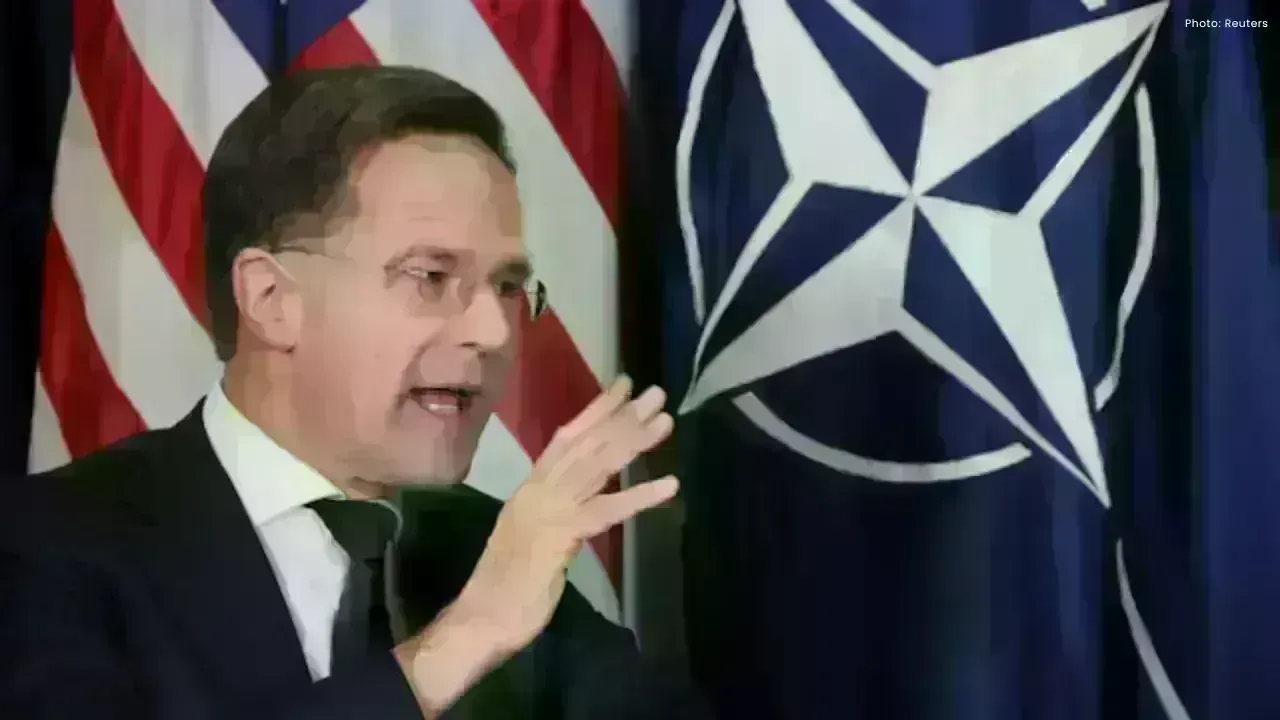
NATO Secretary General Mark Rutte has said that recent talks with U.S. President Donald Trump focused strongly on protecting the Arctic region from growing influence by Russia and China. Speaking at the World Economic Forum in Davos, Switzerland, Rutte explained that Arctic security has become a key issue for NATO as global powers show increased interest in the region’s strategic position, natural resources, and shipping routes.
The Arctic has gained new importance as melting ice opens faster sea routes between Asia, Europe, and North America. It is also rich in minerals and energy resources. Because of this, NATO leaders are increasingly concerned about who controls access and influence in the region. Rutte said his discussion with Trump looked at how NATO countries can work together to defend the Arctic and prevent rival powers from gaining a foothold.
The talks also touched on Greenland, a Danish territory that has recently drawn global attention after President Trump publicly expressed interest in acquiring it for national security reasons. Although his remarks caused tension within NATO, Trump later ruled out the use of force and suggested that a negotiated solution could be possible. This helped calm concerns among allies, especially Denmark.
Rutte said that NATO’s approach is not limited to Greenland alone. He pointed out that seven NATO member countries have land in the Arctic, and all of them have a role to play in maintaining stability and security in the region. According to him, future discussions will build on earlier meetings held in Washington between U.S. officials and delegations from Denmark and Greenland.
One key outcome of the Davos talks, Rutte explained, is the shared goal of keeping both China and Russia out of Greenland’s economy and military space. He said NATO wants to ensure that neither country gains access that could threaten regional or global security. This includes limiting foreign involvement in infrastructure, investments, and defense-related activities.
China has strongly rejected claims that it poses a military threat in the Arctic. Chinese officials say their presence in the region is focused on scientific research and commercial shipping and follows international laws. State-backed Chinese media have accused Western countries of exaggerating China’s role and spreading fear without evidence. China has also highlighted that it has never placed military forces in the Arctic.
At the same time, China has increased its commercial activity in the region. In October last year, a Chinese container ship completed a landmark journey through Arctic waters to Europe, cutting delivery times almost in half. Beijing has described these routes as part of its global trade plans, not military expansion.
Despite these statements, NATO countries remain cautious. Tensions rose in July 2024 when the United States and Canada scrambled fighter jets after Chinese and Russian nuclear-capable bombers conducted a joint patrol near Alaska. The incident raised alarms about possible military cooperation between Moscow and Beijing in the Arctic and nearby regions.
Russia, which has long had a strong Arctic presence, continues to expand its military infrastructure there. NATO sees this as another reason to strengthen coordination among its members. The alliance believes that early action and cooperation are necessary to prevent future conflicts.
Rutte stressed that NATO’s goal is not to provoke conflict but to protect peace and stability. By keeping close coordination among allies and setting clear boundaries, NATO hopes to ensure that the Arctic remains secure and governed by international rules rather than power struggles.
As global competition moves further north, the Arctic is no longer seen as a remote and frozen land. It has become a central stage for future security, trade, and diplomacy. The talks between NATO and President Trump signal that Western leaders are taking this shift seriously and are preparing for long-term challenges in the region.




7.5 Magnitude Earthquake Strikes Japan, Tsunami Alerts Issued
Japan experiences a hefty 7.5 quake, prompting tsunami alerts and safety measures. Stay updated on a
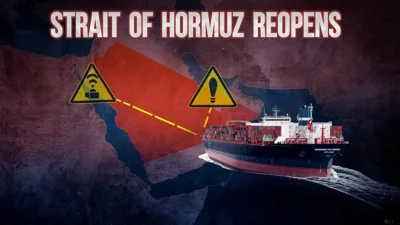
Reopening of the Strait of Hormuz: New Regulations to Impact Global Trade
Iran reopens the strategic Strait of Hormuz with new regulations affecting oil transport and global

Top 10 Must-See Attractions in NYC for First-Time Explorers
Discover essential experiences for first-time visitors to NYC, including attractions, culture, and i

Starbucks Engages Boyu Capital for Major Chinese Expansion
Starbucks teams up with Boyu Capital, selling a majority stake to boost growth and adapt to the Chin

Three Individuals Charged in Massive Meth Trafficking Case in Malaysia
In Malaysia, a married couple and another suspect are charged with trafficking 510kg of meth, facing