Post by : Anees Nasser
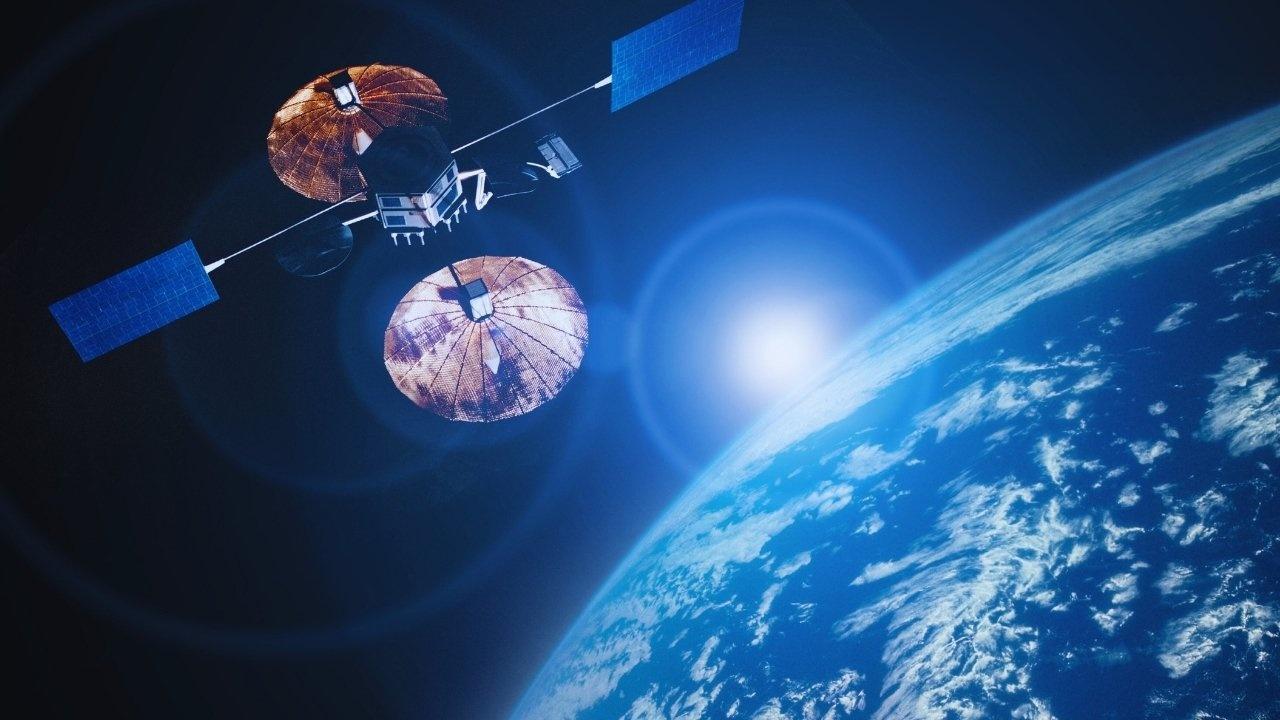
The countdown has begun for the International Space Station (ISS) as NASA gets set to conclude its monumental journey after 32 years in orbit. This iconic facility has stood as a beacon of international collaboration and scientific progress, but with the arrival of commercial alternatives, its time has come to an end. As we say goodbye to the ISS, we stand on the brink of a new age in space exploration, one fueled by private investment and commercial innovation.
Launched in November 1998, the ISS was built progressively in space, thanks to the joint efforts of nations including the United States, Russia, Canada, Japan, and Europe. Over its operational lifetime, the station has hosted over 250 astronauts and become a center for groundbreaking research and innovation.
Throughout its years aloft, the ISS has achieved numerous scientific breakthroughs, ranging from studies on microgravity’s impact on health to advancements in life-support tech and climate monitoring. Its existence has underscored a spirit of peace and collaboration, showcasing what was possible when former rivals united for a common cause.
However, the ISS is showing signs of aging. Its operational life has more than doubled its original 15-year span, leading to a rise in costs and maintenance issues, raising safety concerns. In light of this, NASA and its partners are strategizing a controlled deorbit by 2031.
Operating the ISS has become increasingly costly, with NASA spending over $3 billion per year on maintenance, repairs, and supply deliveries. Meanwhile, the station’s apparatus, rooted in designs from the late 1990s and early 2000s, faces looming obsolescence. NASA must act now to prevent risks associated with aging systems.
This decision to retire the ISS doesn't signify a withdrawal from low-Earth orbit (LEO) operations; rather, it marks a pivotal shift to a commercial framework aimed at freeing resources for exploration beyond Earth's confines, including lunar and Martian missions.
As NASA transitions out, private enterprises are gearing up to fill the void. Several American companies have started developing commercial space stations designed for ongoing research, crew accommodations, and even tourism.
Axiom Space is at the forefront, with plans to integrate its inaugural module into the ISS by 2026. Following the ISS's retirement, Axiom will operate as the world’s first commercial station, complete with facilities for research and living space aimed at tourists and astronauts alike.
Orbital Reef, a project by Blue Origin and Sierra Space, aims to serve as a mixed-use space park. Intended for researchers, government entities, and private companies, it will house laboratories and work environments while also providing accommodations for space tourists.
Starlab, which is supported by Voyager Space and Airbus, is set to launch before 2030 as a dedicated commercial station focused on scientific inquiries and technological trials.
The advent of these enterprises marks a dramatic transition from government-monopolized space operations to a landscape dominated by private innovations. NASA’s new role will involve acting as one of many clients utilizing these emerging platforms.
Post-ISS, NASA will remain a vital entity in space research, now functioning as a customer rather than a property owner. This collaborative method is similar to existing partnerships for satellite launches and cargo services.
By leasing facilities aboard commercial platforms, NASA will continue funding experiments while concentrating efforts on deeper space explorations. The shift promises to keep the U.S. at the forefront of space activities via a diverse array of partnerships.
This new approach may open doors for various entities, including universities and startups, to access space more affordably through commercial infrastructures.
The transition from government-led missions to privatized operations signals a significant economic shift. Experts predict that by 2040, the commercial space sector could be worth an impressive $1 trillion, encompassing not just tourism but also manufacturing and scientific research.
As organizations like Axiom and Blue Origin chart new territories, the potential for microgravity manufacturing and other creative ventures promises lucrative opportunities in previously untapped markets.
NASA’s investment in commercial ecosystems acts as a booster, facilitating smooth transitions and ensuring sustained activity in low-Earth orbit.
As the ISS retires, it represents not just a technical milestone but the conclusion of one of history's most successful global collaborations. Agencies from around the world, including Roscosmos, ESA, JAXA, and CSA, are currently evaluating their future roles after the ISS.
Whether through new partnerships or individual projects, many countries are committed to continuing their LEO research initiatives, reflecting the lasting impact of the ISS.
Although the ISS will ultimately re-enter Earth's atmosphere, its historical significance and the bonds it fostered will remain, setting the stage for future explorations on the Moon and Mars.
For countless individuals around the globe, the ISS has symbolized human unity and aspiration. Its iconic images of Earth and commitment to scientific advancement have inspired generations.
As NASA prepares to bid farewell, a wave of nostalgia washes over. The planned deorbit will guide the ISS into a tranquil region of the Pacific Ocean known as "Point Nemo"—a fitting tribute to a vessel that has served humanity impeccably for over thirty years.
The conclusion of the ISS is not the end for space exploration; instead, it signals a transformative era. The marketization of low-Earth orbit sets the stage for a future filled with promising innovations. Private entities will inherit NASA’s legacy and pioneer efficient and versatile habitats.
In the upcoming years, commercial space stations may emerge as hubs for research, education, leisure, and more, empowering travelers, scientists, and engineers alike.
While the ISS may retire, the light it cast will continue to guide a new generation of explorers and innovators.
This article serves to deliver a comprehensive snapshot of NASA's plans for the ISS's retirement and the rise of commercial space installations. All information is based on publicly accessible data as of 2025 and is subject to change as the landscape of space exploration evolves.








Anticipated Dates for UAE Eid Al Adha 2026 Unveiled by Astronomical Experts
Experts predict Eid Al Adha 2026 in the UAE to start on May 27, prompting early holiday planning amo

DAE Achieves Remarkable Growth in Q1 2026 With Record Revenue
Dubai Aerospace Enterprise announces impressive financial results for Q1 2026, reflecting a surge in

Price Increase for Sony PS5 in Southeast Asia Effective May 1
Sony announces a price increase for the PS5 across Southeast Asia starting May 1, 2026, impacting ga

Potential ‘Super El Niño’ in 2026: Understanding the Climate Risks
Could a Super El Niño emerge in 2026? Discover its implications and potential global climate impacts

Global Energy Crisis Intensifies: Markets React to Oil Supply Challenges
Markets are on edge as oil disruptions escalate, influencing prices and economic stability. Explore

Must-See Tourist Spots in London You Can't Overlook
Explore London's essential attractions, from royal landmarks to vibrant markets, ensuring an unforge




