Post by : Samir Nasser
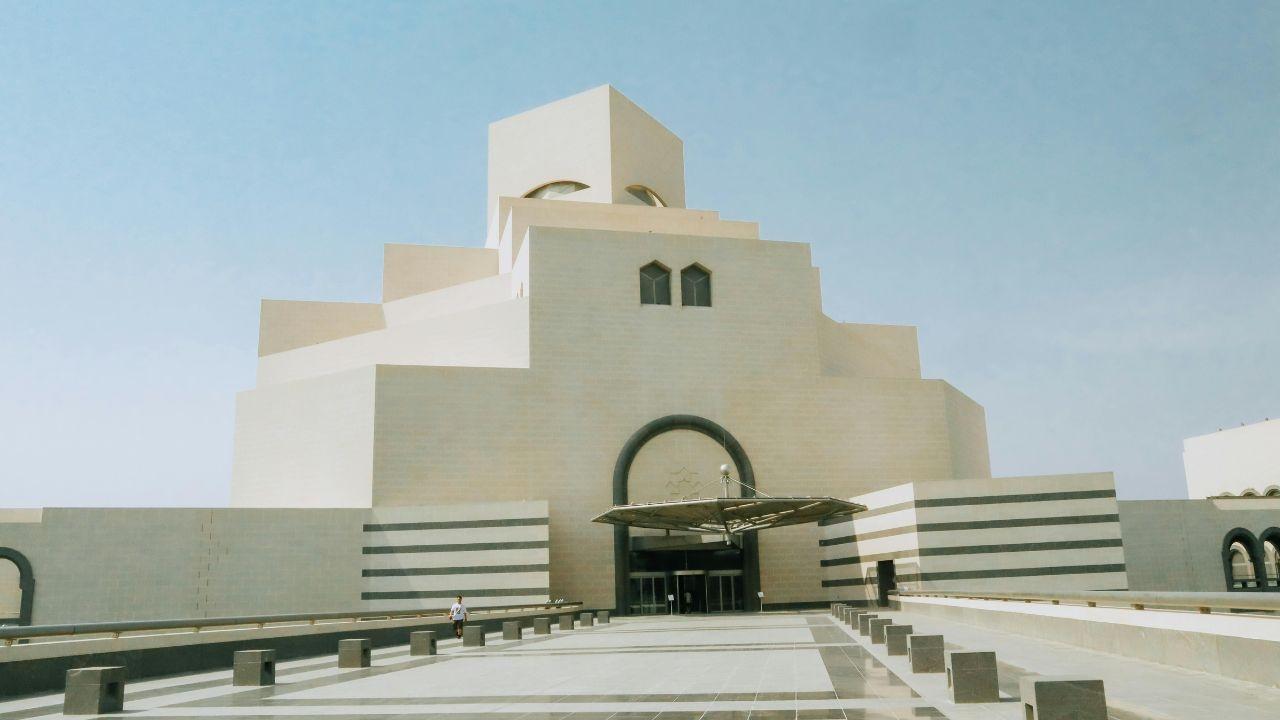
Situated along the picturesque Doha Corniche, the Museum of Islamic Art (MIA) serves as a beacon of Islamic culture and history. Conceptualized by esteemed architect I.M. Pei, this cultural treasure opened its doors in 2008, harmoniously blending traditional Islamic aesthetics with modern design. The museum's striking architecture features intricate geometric patterns, soaring domes, and elegant arches, establishing it as a hallmark of both artistic and architectural significance.
Guests will find themselves transported through time as they uncover artifacts that embody the rich tapestry of Islamic civilization.
Architectural Masterpiece
I.M. Pei expertly merged Islamic architectural traditions with contemporary elements to create a museum that is as welcoming as it is monumental. The central atrium, flooded with natural light, invites visitors to explore extensive collections while the design remains rooted in historical context.
Purpose and Growth
Established with the mission of conserving Islamic art from diverse regions and historical periods, the Museum of Islamic Art has transformed into a vibrant cultural center. It offers a variety of exhibitions, educational programs, and outreach initiatives that celebrate the artistic achievements of Islamic societies.
The museum's collections encompass artifacts that span over 1,400 years and three continents, offering a glimpse into the creativity and scholarship of Islamic societies.
Manuscripts and Calligraphy
Rare Qur’anic texts adorned with gold and rich blue accents.
Scientific manuscripts addressing topics in medicine, astronomy, and philosophy.
Historical documents showcasing elaborate calligraphy and decorative techniques.
Armor and Artifacts
Intricately designed armor and weaponry from notable Islamic dynasties.
Elegant metalwork pieces crafted in bronze and brass.
Functional and ceremonial works exemplifying the skill of Islamic artisans.
Ceramics and Metalworks
Stylish glassware and vases originating from the Mamluk and Seljuk periods.
Artfully designed bronze and silver vessels displaying elaborate patterns.
Remarkable instances of Islamic metalworking that blend functionality and artistry.
Textiles and Carpets
Opulent textiles and carpets dating back to the Ayyubid and Mamluk eras.
Stunning Ottoman embroidery that exemplifies the era's luxurious craftsmanship.
Beautiful textiles showcasing the diversity of regional styles.
Damascus Reception Room
A meticulously restored room from 19th-century Damascus that showcases the domestic life of the era.
Persian Illustrations
Marvel at 16th-century manuscripts filled with intricate illustrations and calligraphy that highlight the artistic sophistication of the time.
Remarkable Glass and Metal Artifacts
Explore exquisite glassware and metal objects from the Mamluk and Ottoman periods, revealing the mastery of craftspeople across Islamic history.
The MIA goes beyond holding exhibitions by prioritizing education and community involvement. The museum regularly organizes workshops, seminars, and programs that inspire visitors of all ages to delve deeper into Islamic art and culture. Participants can join in on calligraphy workshops, art programs, and guided tours that unlock the significance behind the collections.
Through these initiatives, the museum aims to ensure that Islamic art remains accessible and engaging, nurturing appreciation across generations.
Adjacent to the museum, MIA Park offers a tranquil setting with verdant landscapes, walking paths, and outdoor art exhibits. Guests can take part in art classes, vibrant markets, and seasonal film screenings, enriching their experience at this cultural landmark. The park and museum together create a comprehensive cultural hub at the heart of Doha.
The Museum of Islamic Art is conveniently located along the Doha Corniche. Operating hours are Saturday to Thursday from 9:00 AM to 7:00 PM and Fridays from 1:30 PM to 7:00 PM. Entry is free for local residents, while international visitors pay a nominal fee. The museum also features facilities such as a café, a shop, a library, and guided tours, ensuring a fulfilling visit.
A visit to the Museum of Islamic Art in Qatar is a journey into a realm where cultural history, artistry, and innovation unite. With its stunning architecture and thoughtfully curated exhibits, the museum attracts art lovers, history enthusiasts, and inquisitive travelers alike. Each exhibit narrates a tale of creativity, cultural exchange, and the evolution of the Islamic world over the centuries.
The MIA plays a crucial role in conserving the heritage of Islamic civilization while also promoting appreciation for its unparalleled beauty and craftsmanship, establishing itself as a captivating destination for every visitor.
This piece is intended for informational and educational purposes only. Details regarding the Museum of Islamic Art—including its collections, exhibits, and visiting hours—are derived from publicly accessible sources at the time of writing. Visitors are recommended to confirm current specifics and schedules with the official museum website or authorized channels. The author and publisher assume no liability for any inaccuracies, changes, or personal outcomes stemming from this information.









Anticipated Dates for UAE Eid Al Adha 2026 Unveiled by Astronomical Experts
Experts predict Eid Al Adha 2026 in the UAE to start on May 27, prompting early holiday planning amo

DAE Achieves Remarkable Growth in Q1 2026 With Record Revenue
Dubai Aerospace Enterprise announces impressive financial results for Q1 2026, reflecting a surge in

Price Increase for Sony PS5 in Southeast Asia Effective May 1
Sony announces a price increase for the PS5 across Southeast Asia starting May 1, 2026, impacting ga

Potential ‘Super El Niño’ in 2026: Understanding the Climate Risks
Could a Super El Niño emerge in 2026? Discover its implications and potential global climate impacts

Global Energy Crisis Intensifies: Markets React to Oil Supply Challenges
Markets are on edge as oil disruptions escalate, influencing prices and economic stability. Explore

Must-See Tourist Spots in London You Can't Overlook
Explore London's essential attractions, from royal landmarks to vibrant markets, ensuring an unforge




