Post by : Shakul
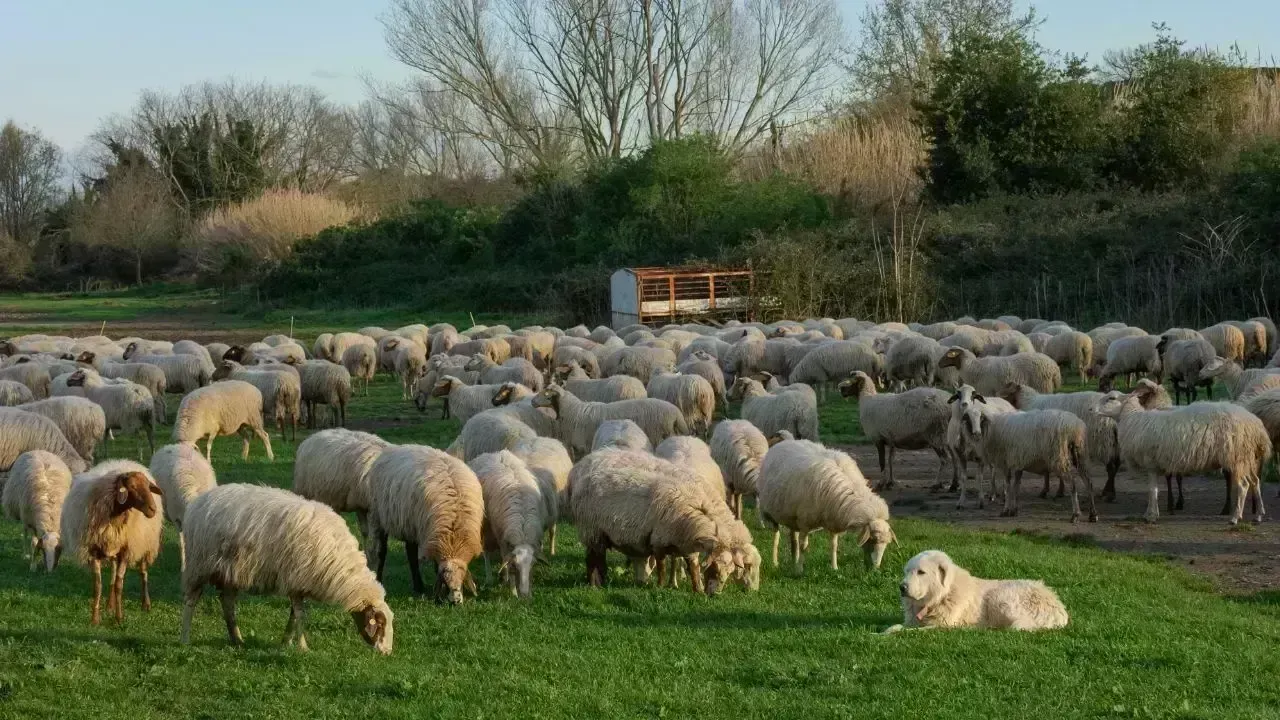
The lambing season has concluded successfully for livestock farmers in Mary Velayat, marking a significant milestone for the region's agricultural landscape. This phase is pivotal for increasing sheep and goat populations, thus bolstering food supply chains, rural livelihoods, and overall agricultural advancements. The successful completion underscores the dedication of local farmers and the resilience of livestock farming in the area.
In Turkmenistan, the livestock industry is steadily evolving, aided by governmental support and the adoption of modern agricultural practices. Farmers are prioritizing quality over sheer volume, utilizing enhanced feeding protocols, advanced breeding strategies, and diligent health monitoring to nurture healthier livestock.
The renowned "Maldar" livestock farm in the Sakarchage region is a key player in this success, achieving its production goals by raising 66,485 healthy lambs and kids from over 73,000 ewes. This achievement is considered a major accomplishment and reflects effective planning and exemplary animal husbandry throughout the season.
This lambing season's success is largely attributed to the unwavering commitment of shepherds and farm personnel. They synergize traditional knowledge passed down through generations with contemporary veterinary practices, facilitating better animal health management, minimizing risks, and enhancing the survival rates of newborns.
Following the lambing season, focus shifts toward the growth and welfare of young animals. Veterinary professionals and farm specialists are actively engaging with shepherds in grazing zones, monitoring animal health, and ensuring adherence to optimal feeding and care protocols. This ongoing guidance is crucial for establishing a robust and productive livestock demographic.
The young animals are grazing in fertile, nutrient-rich regions such as Taz guyy and Harazly, which supply superior natural forage that accelerates growth and promotes good health. Proper grazing management not only meets veterinary standards but also mitigates the likelihood of disease.
Simultaneously, preparations for the forthcoming summer season have commenced. Workers are inspecting water sources, maintaining water-lifting systems, and strategizing efficient grazing land usage. These measures are vital for dealing with the heat and ensuring an adequate supply of water and forage during the warmer months.
In the aftermath of lambing, farmers are also initiating the spring sheep shearing campaign. This activity enhances animal comfort in higher temperatures while yielding wool—a valuable income source. The determination of livestock farmers continues to demonstrate significant progress and a brighter horizon for the region's agricultural sector.









Global Energy Crisis Intensifies: Markets React to Oil Supply Challenges
Markets are on edge as oil disruptions escalate, influencing prices and economic stability. Explore

Must-See Tourist Spots in London You Can't Overlook
Explore London's essential attractions, from royal landmarks to vibrant markets, ensuring an unforge

Ultimate Guide to Snagging Cheap Flights in 2026
Unlock the secrets to booking affordable flights in 2026 with insightful tips and strategies tailore

The Impact of Consistent Small Investments on Wealth Building
Discover how investing small amounts regularly can positively transform your financial future over t

7.5 Magnitude Earthquake Strikes Japan, Tsunami Alerts Issued
Japan experiences a hefty 7.5 quake, prompting tsunami alerts and safety measures. Stay updated on a
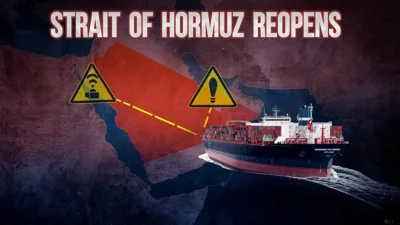
Reopening of the Strait of Hormuz: New Regulations to Impact Global Trade
Iran reopens the strategic Strait of Hormuz with new regulations affecting oil transport and global