Post by : Saif Nasser
The ongoing crisis in the Strait of Hormuz has pushed global attention toward another critical route—the Strait of Malacca. As tensions disrupt one of the world’s most important oil passages, experts are now focusing on the Malacca Strait, which plays a major role in global trade and energy supply.
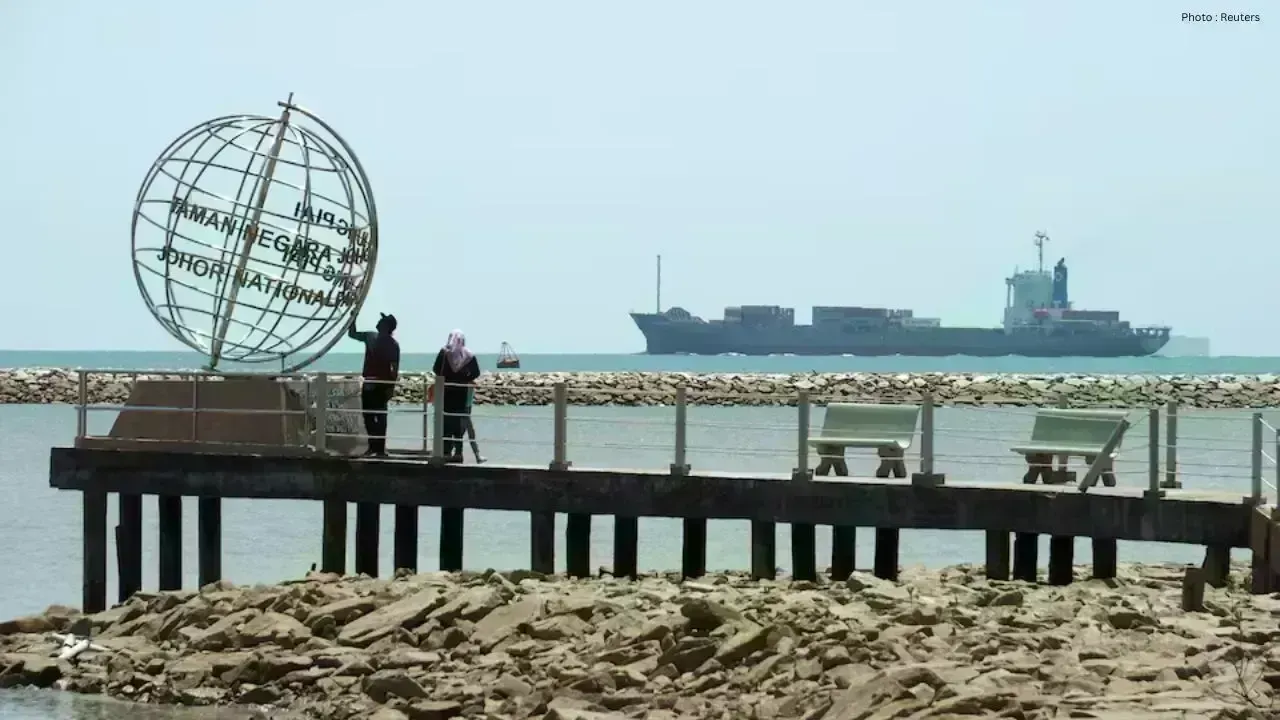
The Strait of Malacca is one of the busiest shipping routes in the world. It connects the Indian Ocean to the Pacific Ocean and is used by thousands of ships every year. A large share of global trade, including oil and goods, passes through this narrow route. Because of its importance, any disruption here can affect many countries at the same time.
The current Hormuz crisis has shown how dependent the world is on such narrow sea routes. When one chokepoint faces problems, shipping companies are forced to rely more on others. This increases pressure on routes like the Malacca Strait, making them more crowded and risky.
One major concern is the narrow size of the strait. At some points, it is very tight, making it difficult for large ships to pass safely. With increasing traffic, the chances of accidents, delays, or blockages also rise. Even a small incident in such a busy route can create major problems for global supply chains.
Security is another important issue. The Strait of Malacca has faced problems like piracy in the past. Although regional countries have improved security, risks still remain. In times of global tension, these risks can increase, affecting the safe movement of ships.
Many major economies depend heavily on this route. Countries like China, Japan, and South Korea rely on oil and goods that pass through the Malacca Strait. This makes it a key part of their economic stability. Any disruption could lead to supply shortages and higher costs.
Countries in the region, including Indonesia, Malaysia, and Singapore, work together to keep the strait safe and open. Their cooperation is important to ensure that global trade continues without major interruption. Strong coordination and monitoring are needed to handle the growing traffic and risks.
The focus on the Malacca Strait shows a larger issue in global trade. A few narrow routes carry a huge share of the world’s goods and energy. These chokepoints are small in size but very important for the global economy. When one route is affected, the impact spreads quickly across markets.
The Hormuz crisis has reminded the world of these risks. It has also shown the need for better planning, stronger security, and alternative routes to reduce dependence on a single passage.
The growing importance of the Malacca Strait highlights how closely connected global trade has become. Protecting such routes is essential for steady supply, stable prices, and smooth economic activity around the world.








Ultimate Guide to Snagging Cheap Flights in 2026
Unlock the secrets to booking affordable flights in 2026 with insightful tips and strategies tailore

The Impact of Consistent Small Investments on Wealth Building
Discover how investing small amounts regularly can positively transform your financial future over t

7.5 Magnitude Earthquake Strikes Japan, Tsunami Alerts Issued
Japan experiences a hefty 7.5 quake, prompting tsunami alerts and safety measures. Stay updated on a
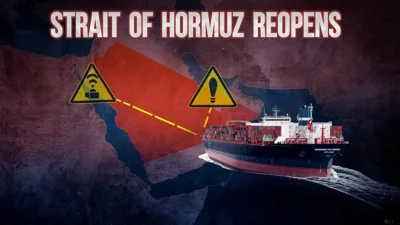
Reopening of the Strait of Hormuz: New Regulations to Impact Global Trade
Iran reopens the strategic Strait of Hormuz with new regulations affecting oil transport and global

Top 10 Must-See Attractions in NYC for First-Time Explorers
Discover essential experiences for first-time visitors to NYC, including attractions, culture, and i

Starbucks Engages Boyu Capital for Major Chinese Expansion
Starbucks teams up with Boyu Capital, selling a majority stake to boost growth and adapt to the Chin