Post by : Mikhael Nasser
Across global offices, the notion of authoritative dressing is evolving. Increasingly, professionals favour footwear that supports mobility and wellbeing without sacrificing a composed appearance. Among these options, low heels have emerged as a practical symbol of contemporary workplace dressing: measured, professional and mindful of health.
Rather than viewing footwear purely as a status cue, employers and employees alike are assessing how shoes affect posture, comfort and daily productivity. Below we examine the factors driving low heels into mainstream office wardrobes and what that means for dressing standards.
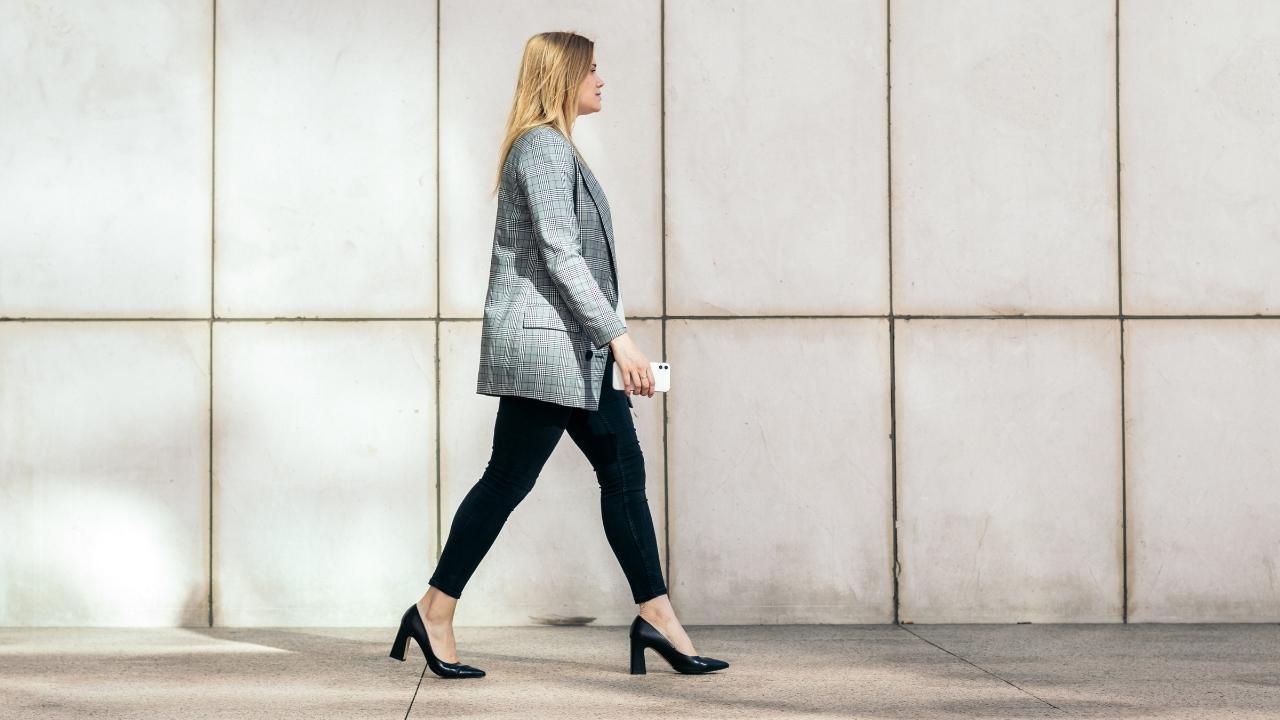
High stilettos once served as visual shorthand for authority. Present-day professionals are reframing that shorthand to prioritise functionality. Low heels — typically about one to two-and-a-half inches in height — offer a subtle elevation while maintaining greater comfort and balance.
By enabling a more natural gait and reducing undue stress on the knees and lower back, these shoes help users sustain a confident posture throughout the workday. The practical benefits therefore translate into a credible, composed presence.
Low heels fit a range of workplace disciplines, from conservative boardrooms to creative studios. Their adaptability makes them suitable for leaders, client-facing staff and hybrid office environments.
Common styles include:
Block Heels: Stable and supportive for daily commutes and long hours on the job.
Kitten Heels: Low-profile and refined — often chosen for meetings that require both comfort and formality.
Slingbacks or Mules: Contemporary options that bridge formal and relaxed dress codes.
Pointed-Toe Pumps: Classic silhouettes that create a sharp visual line while remaining practical.
The finish and hue of a shoe influence how it integrates with professional attire. Neutral tones remain the most versatile, while subtle colours can signal considered personal style.
Neutral Shades such as black, tan or beige provide broad outfit compatibility.
Pastel Tones like blush or off-white offer a softer aesthetic for more relaxed workplaces.
Patent Leather can add polish for formal engagements.
Matte or Suede Finishes convey understated refinement.
In structured corporate environments, maintaining at least one black and one nude pair provides maximum outfit flexibility and ease of coordination.
Shoe design directly affects wearer comfort and endurance. Low heels can lower the likelihood of chronic strain when they include supportive features.
Key elements to prioritise when selecting a pair include:
Cushioned insoles for arch and heel support.
Breathable linings to minimise moisture and irritation.
Straps or ankle support to maintain a secure fit during movement.
Choosing footwear that mitigates discomfort allows professionals to remain focused and effective throughout busy schedules.
Low heels can be integrated into multiple dressing scenarios:
Formal Meetings: Pair pointed-toe low heels with a structured blazer and skirt for a precise, authoritative silhouette.
Daily Office: Block heels complement tailored trousers or midi dresses for practical, polished looks.
Travel and Field Work: Slingbacks or low-heeled loafers are simple to wear and comfortable for extended periods.
Creative Roles: Muted colours and modern cuts help convey individuality while remaining office-appropriate.
Apparel impacts demeanour. Low heels foster an upright stance and stable stride, which can influence how colleagues perceive competence and approachability. By reducing the distraction of discomfort, such footwear supports clearer focus and more confident interaction.
Consumers and organisations are increasingly attentive to lifecycle impacts. Investing in a well-made pair of low heels with ethical materials — for example, vegan leather or recycled fabrics — can deliver both longevity and reduced environmental footprint.
Durable, classic footwear aligns with broader corporate responsibility and personal stewardship goals.
The concept of authoritative dressing is shifting toward solutions that balance presentation with physical wellbeing. Low heels exemplify this balance, offering a means to project professionalism without compromising comfort.
For organisations and individuals refining dress codes or personal wardrobes, adopting low-heeled options can support sustained performance, health and a considered professional image.
This piece is intended to inform readers about footwear trends and considerations; it does not endorse specific brands or provide medical guidance. Individuals should select footwear appropriate to their comfort, job requirements and health.










Anticipated Dates for UAE Eid Al Adha 2026 Unveiled by Astronomical Experts
Experts predict Eid Al Adha 2026 in the UAE to start on May 27, prompting early holiday planning amo

DAE Achieves Remarkable Growth in Q1 2026 With Record Revenue
Dubai Aerospace Enterprise announces impressive financial results for Q1 2026, reflecting a surge in

Price Increase for Sony PS5 in Southeast Asia Effective May 1
Sony announces a price increase for the PS5 across Southeast Asia starting May 1, 2026, impacting ga

Potential ‘Super El Niño’ in 2026: Understanding the Climate Risks
Could a Super El Niño emerge in 2026? Discover its implications and potential global climate impacts

Global Energy Crisis Intensifies: Markets React to Oil Supply Challenges
Markets are on edge as oil disruptions escalate, influencing prices and economic stability. Explore

Must-See Tourist Spots in London You Can't Overlook
Explore London's essential attractions, from royal landmarks to vibrant markets, ensuring an unforge




