Post by : Naveen Mittal
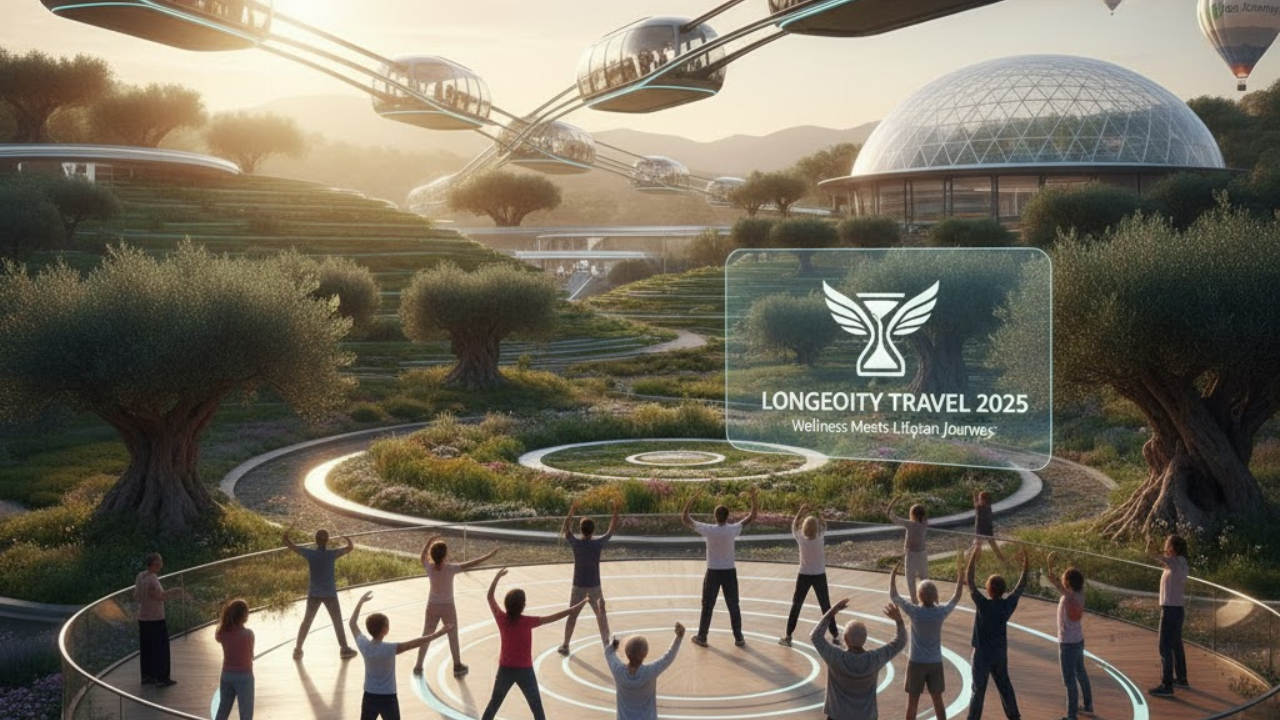
In 2025, travel is no longer just about escape — it’s about enhancement. A powerful new movement known as longevity travel is reshaping global tourism. This evolution of wellness travel aims not merely to relax travelers but to help them live longer, healthier, and more balanced lives. Longevity travel combines advanced medical diagnostics, personalized therapies, fitness, nutrition, and mindfulness practices to rejuvenate both body and mind.
What makes this trend revolutionary is that it moves beyond surface-level spa experiences. Instead, it integrates science, technology, and holistic wellbeing, offering travelers programs designed to extend health span — the number of years one lives in good health.
Longevity travel is a blend of preventive healthcare, personalized wellness, and immersive rejuvenation experiences. It typically involves a structured journey that begins with in-depth health assessments such as genetic or metabolic testing, followed by tailored programs that focus on nutrition, movement, sleep, recovery, and mental health.
Unlike traditional wellness retreats, longevity travel has a data-driven foundation. Travelers may undergo diagnostics upon arrival and leave with a personalized roadmap for long-term health improvement. The programs often include regenerative therapies, mindfulness sessions, and lifestyle coaching to help participants adopt lasting changes.
This trend is not about treating illness — it’s about preventing it and strengthening the body’s natural systems. As a result, longevity travel appeals not only to older travelers but also to younger generations seeking sustainable vitality.
Several forces have converged to make longevity travel one of the most promising sectors in global tourism:
1. Health awareness post-pandemic: The pandemic shifted global mindsets. Health became the ultimate luxury, and people began prioritizing preventive wellness over reactive treatment.
2. Aging populations: Longer lifespans and rising health consciousness among older demographics have increased interest in experiences that maintain vitality and mental sharpness.
3. Rise of personalized medicine: With advances in genomics, biomarkers, and wearables, travelers can now access data that guides lifestyle and health choices — turning vacations into science-backed transformations.
4. Shift in traveler mindset: People no longer want to disconnect temporarily. They seek experiences that leave a measurable positive impact on their health, mood, and energy long after returning home.
5. The merging of wellness and medicine: Longevity travel is the bridge between the wellness industry and the medical world, bringing together doctors, nutritionists, fitness coaches, and psychologists under one holistic program.
A true longevity journey integrates multiple dimensions of wellbeing and science.
Health Diagnostics:
Most longevity retreats begin with comprehensive assessments — including blood analysis, metabolic profiling, microbiome mapping, and genetic screenings. These tests create a personalized health snapshot used to tailor each guest’s program.
Personalized Wellness Plans:
Based on diagnostic results, travelers receive nutrition and fitness plans aligned with their body’s needs. Programs include diet optimization, targeted exercise, sleep enhancement, and supplementation strategies.
Regenerative Therapies:
Modern longevity centers may offer advanced treatments such as red-light therapy, hyperbaric oxygen sessions, IV nutrition infusions, cryotherapy, or stress modulation technologies — all designed to rejuvenate at a cellular level.
Nature and Mindfulness Integration:
Longevity travel thrives in natural environments — coastal retreats, mountain sanctuaries, or forested wellness centers. Immersive experiences like meditation walks, breathwork, and eco-detox practices restore mental balance.
Education and Transformation:
Travelers learn to sustain their health journey beyond the retreat. Many programs include workshops on stress management, healthy cooking, biohacking, and longevity science, empowering participants to maintain results at home.
Follow-Up Support:
Some longevity travel programs extend into digital health coaching and remote follow-ups. Continuous data tracking ensures that participants sustain improvements long after their trip ends.
While longevity travel is a global phenomenon, certain regions have emerged as leaders:
Europe: Switzerland, Italy, and Austria are pioneers, blending precision medicine with spa culture. Alpine detox programs combine diagnostics with rejuvenation in pure natural settings.
Asia: Destinations in Thailand, Indonesia, and India are merging traditional healing (Ayurveda, yoga, herbal medicine) with modern longevity science.
North America: Wellness centers in California and Arizona offer data-driven retreats that emphasize nutrition, neurofitness, and regenerative medicine.
Blue Zones: Areas like Okinawa, Sardinia, and Costa Rica inspire longevity tourism through immersion in the daily habits and diets of the world’s longest-living communities.
These destinations reflect a broader cultural shift — from luxury as indulgence to luxury as health and sustainability.
Longevity travel is redefining the tourism economy. Analysts estimate that the wellness travel sector, already worth hundreds of billions of dollars, is rapidly evolving toward longevity-focused models. Hotels and resorts are rebranding as “longevity sanctuaries,” while traditional medical tourism providers are adding wellness and mental health components.
For local communities, longevity tourism creates high-value employment opportunities in healthcare, nutrition, therapy, and sustainable hospitality. Environmentally, many retreats are adopting regenerative practices — organic farming, waste reduction, and renewable energy — aligning human health with planetary health.
Despite its potential, longevity travel raises important ethical questions.
Scientific credibility: Some operators risk overpromising anti-aging or miracle results. The industry must ensure that all health claims are evidence-based and transparent.
Accessibility: Most longevity programs are premium-priced, accessible primarily to affluent travelers. Without innovation in pricing or local adaptation, this could deepen health inequality.
Regulation: As medical-grade services enter tourism, governments must ensure proper regulation, licensing, and safety oversight.
Sustainability: Frequent air travel for health purposes may contradict environmental goals. Operators must offset emissions and build sustainability into their value proposition.
Cultural sensitivity: Longevity programs borrowing from indigenous or traditional healing practices must respect cultural ownership and avoid appropriation.
By 2030, longevity travel could become a mainstream segment within wellness tourism. Resorts and medical centers will likely merge expertise, offering hybrid health vacations — equal parts rejuvenation, education, and technology.
Artificial intelligence will personalize itineraries, monitoring each traveler’s health data to optimize diet, activity, and sleep in real time. Wearables will continue tracking biomarkers long after travelers return home, creating continuous feedback loops between experience and health improvement.
Destinations will market longevity as both an individual and environmental value — showcasing clean air, pure food, biodiversity, and low-impact living as pillars of a longer, healthier life.
Ultimately, longevity travel could help shift human priorities — from consuming experiences to cultivating vitality.
If you’re considering longevity travel, treat it as a serious commitment rather than a luxury holiday. Here’s how to approach it wisely:
Research the retreat’s medical credibility and certifications.
Avoid programs that make exaggerated anti-aging promises.
Seek destinations that emphasize both science and sustainability.
Ensure medical staff are licensed and therapies are evidence-based.
Choose experiences that include follow-up health support after the trip.
Approach the journey with openness to learning and long-term habit change.
This article is intended for informational purposes only and does not constitute medical or professional advice. Longevity travel programs vary in quality and safety. Readers should consult healthcare professionals before undergoing any medical or regenerative treatments or travel involving health interventions.










Anticipated Dates for UAE Eid Al Adha 2026 Unveiled by Astronomical Experts
Experts predict Eid Al Adha 2026 in the UAE to start on May 27, prompting early holiday planning amo

DAE Achieves Remarkable Growth in Q1 2026 With Record Revenue
Dubai Aerospace Enterprise announces impressive financial results for Q1 2026, reflecting a surge in

Price Increase for Sony PS5 in Southeast Asia Effective May 1
Sony announces a price increase for the PS5 across Southeast Asia starting May 1, 2026, impacting ga

Potential ‘Super El Niño’ in 2026: Understanding the Climate Risks
Could a Super El Niño emerge in 2026? Discover its implications and potential global climate impacts

Global Energy Crisis Intensifies: Markets React to Oil Supply Challenges
Markets are on edge as oil disruptions escalate, influencing prices and economic stability. Explore

Must-See Tourist Spots in London You Can't Overlook
Explore London's essential attractions, from royal landmarks to vibrant markets, ensuring an unforge




