Post by : Vansh
In today’s fast-moving world, technology is doing more than just improving our gadgets—it’s changing the very way we live in our cities. The rise of smart cities is no longer just a futuristic concept; it’s happening now and is shaping our urban lives in ways we couldn’t have imagined a decade ago. From traffic lights that think on their own to mobile apps that track pollution levels in real time, everyday tech is transforming city experiences like never before.
A smart city uses technology and data to improve the quality of life for its residents. It involves the use of connected devices, artificial intelligence, sensors, cloud computing, and real-time data analytics. These tools help city planners and leaders make better decisions, improve infrastructure, reduce costs, and most importantly, enhance the lives of people who live and work there.
Cities such as Singapore, Dubai, Amsterdam, and Barcelona have already adopted this idea, and many others are rapidly catching up. These cities use smart systems to control everything from waste management to traffic flow.
One of the most noticeable benefits of smart cities is in public transportation. With apps that show live updates of buses, metros, and trams, citizens can plan their travel better. Smart traffic signals are also being used to reduce congestion by adjusting light patterns in real time based on vehicle flow.
Cities are also using ride-sharing systems and electric scooter rentals to ease last-mile connectivity. These solutions not only make travel more convenient but also help reduce the carbon footprint.
Smart transportation isn't just about convenience—it's also about safety. AI-powered surveillance cameras monitor road activity and detect accidents instantly, helping authorities act faster during emergencies.
Energy management is a key area where smart cities are making a difference. By installing smart meters in homes and buildings, people can now track their power usage and identify areas to save. Solar-powered streetlights, sensor-based lighting systems, and energy-efficient buildings all contribute to green city living.
Smart waste bins alert authorities when they’re full, reducing overflow and keeping streets cleaner. Even water usage is being optimized with tech that detects leaks and manages supply based on need.
Safety is a priority in any city, and smart surveillance is making that easier to manage. Advanced CCTV cameras with face recognition, smart street lighting that brightens when someone walks by, and emergency alert apps are keeping cities safer.
Authorities can use AI to monitor crime-prone zones and increase police presence where needed. In disaster-prone areas, smart sensors help predict natural hazards like floods or earthquakes, giving people more time to evacuate or prepare.
Smart cities focus heavily on citizen engagement. Through mobile apps, city residents can report issues like potholes, broken streetlights, or water leaks. In return, authorities can respond quicker, creating a stronger sense of community involvement.
Some cities are even conducting online voting and digital public consultations. This makes it easier for more people to participate in decision-making, leading to more transparent and inclusive governance.
The pandemic has shown how important health infrastructure is. In smart cities, hospitals are now using digital tools like online appointment systems, virtual consultations, and smart monitoring devices.
Wearables like fitness trackers and health bands are being used to collect patient data, which doctors can access in real time. This not only improves healthcare delivery but also helps in detecting diseases early.
Schools and universities in smart cities are using e-learning platforms, smart classrooms, and AI-based learning analytics to personalize education. This helps students learn at their own pace and gives teachers valuable insights into student progress.
Libraries are also going digital, making resources available to all with just an internet connection. Free city-wide Wi-Fi access in many smart cities is helping bridge the digital divide, ensuring learning continues outside the classroom.
What really sets smart city technology apart is how it touches everyday life. Apps that show available parking spots, alert you when public restrooms are occupied or guide tourists using augmented reality maps—these small touches improve overall comfort and usability.
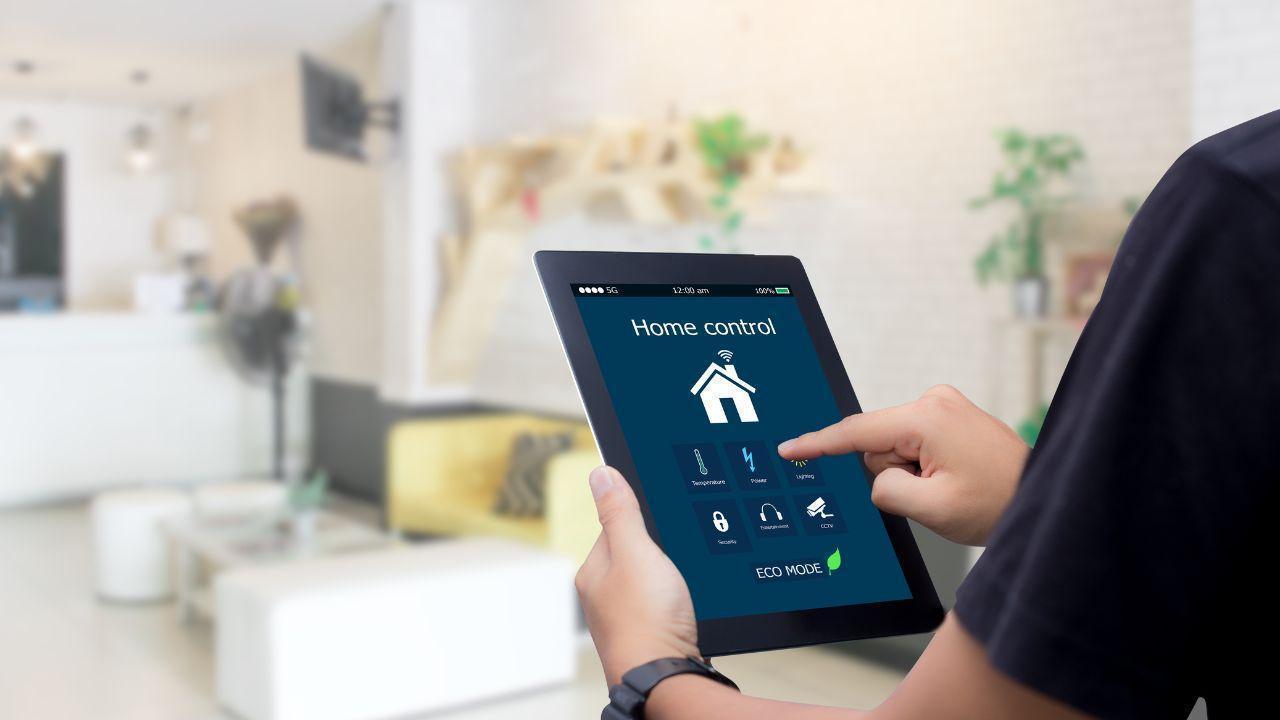
Home automation systems, like smart thermostats, voice-controlled assistants, and connected appliances, are also becoming more common in urban households, making life more convenient than ever.
Despite the advantages, smart cities face challenges. Privacy concerns arise when so much personal data is collected. There’s also the cost of building and maintaining the digital infrastructure.
It’s essential that cities develop clear regulations on data usage and invest in secure systems to protect residents’ information. Accessibility for all citizens, including the elderly and economically disadvantaged, must also remain a top priority.
Disclaimer:
The information provided in this article is for general informational purposes only and reflects current trends and opinions. Readers are advised to do their own research or consult experts before making any decisions based on the content. This article has been published by MiddleEastBulletin for awareness and educational purposes only.










Anticipated Dates for UAE Eid Al Adha 2026 Unveiled by Astronomical Experts
Experts predict Eid Al Adha 2026 in the UAE to start on May 27, prompting early holiday planning amo

DAE Achieves Remarkable Growth in Q1 2026 With Record Revenue
Dubai Aerospace Enterprise announces impressive financial results for Q1 2026, reflecting a surge in

Price Increase for Sony PS5 in Southeast Asia Effective May 1
Sony announces a price increase for the PS5 across Southeast Asia starting May 1, 2026, impacting ga

Potential ‘Super El Niño’ in 2026: Understanding the Climate Risks
Could a Super El Niño emerge in 2026? Discover its implications and potential global climate impacts

Global Energy Crisis Intensifies: Markets React to Oil Supply Challenges
Markets are on edge as oil disruptions escalate, influencing prices and economic stability. Explore

Must-See Tourist Spots in London You Can't Overlook
Explore London's essential attractions, from royal landmarks to vibrant markets, ensuring an unforge




