
Post by : Saif Nasser
Lebanon is seeking to extend its fragile ceasefire with Israel during new talks hosted by the United States. The discussions come at a time when tensions in the region remain high, and both sides are trying to avoid a return to full-scale conflict.
The talks are part of ongoing diplomatic efforts led by the United States to reduce violence between Israel and Lebanon. The current ceasefire has helped slow down fighting, but the situation on the ground is still unstable, with occasional clashes and military activity reported in border areas.
Lebanon’s main goal in these discussions is to extend the ceasefire period and create conditions for longer-term stability. Officials believe that more time without fighting could open the door for deeper negotiations and reduce the risk of further escalation.
The talks also reflect the wider role of the United States in the region. Washington has been trying to bring both sides into structured discussions, hoping to prevent the conflict from spreading further. The US-hosted format allows diplomatic engagement even when direct communication between the parties is limited.
Despite the ceasefire, trust between Israel and Lebanon remains very low. Both sides continue to accuse each other of violations, and there is still a strong military presence along the border. This makes any agreement difficult to maintain for a long period.
From an editorial point of view, these talks show how fragile peace can be in conflict zones. A ceasefire can stop immediate violence, but it does not solve deeper political and security problems. Without long-term agreements, tensions can return quickly.
The situation is also closely linked to broader regional instability. Conflicts involving armed groups, border disputes, and external influences continue to affect both countries. This makes negotiations more complex and increases the importance of international mediation.
For civilians living in affected areas, even short periods of calm are important. Many families have faced displacement, damage to homes, and disruption of daily life. A longer ceasefire could provide relief and allow basic services to recover.
However, challenges remain. Key issues such as border security, the presence of armed groups, and political disagreements still need to be addressed. Without progress on these points, any extension of the ceasefire may remain temporary.
The outcome of the US-hosted talks will be closely watched. A successful extension could reduce tensions and create space for more serious peace efforts. But failure could lead to renewed conflict and further instability in the region.







Global Energy Crisis Intensifies: Markets React to Oil Supply Challenges
Markets are on edge as oil disruptions escalate, influencing prices and economic stability. Explore

Must-See Tourist Spots in London You Can't Overlook
Explore London's essential attractions, from royal landmarks to vibrant markets, ensuring an unforge

Ultimate Guide to Snagging Cheap Flights in 2026
Unlock the secrets to booking affordable flights in 2026 with insightful tips and strategies tailore

The Impact of Consistent Small Investments on Wealth Building
Discover how investing small amounts regularly can positively transform your financial future over t

7.5 Magnitude Earthquake Strikes Japan, Tsunami Alerts Issued
Japan experiences a hefty 7.5 quake, prompting tsunami alerts and safety measures. Stay updated on a
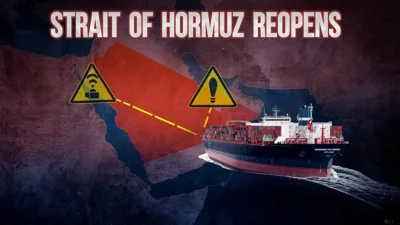
Reopening of the Strait of Hormuz: New Regulations to Impact Global Trade
Iran reopens the strategic Strait of Hormuz with new regulations affecting oil transport and global