Post by : Saif Nasser
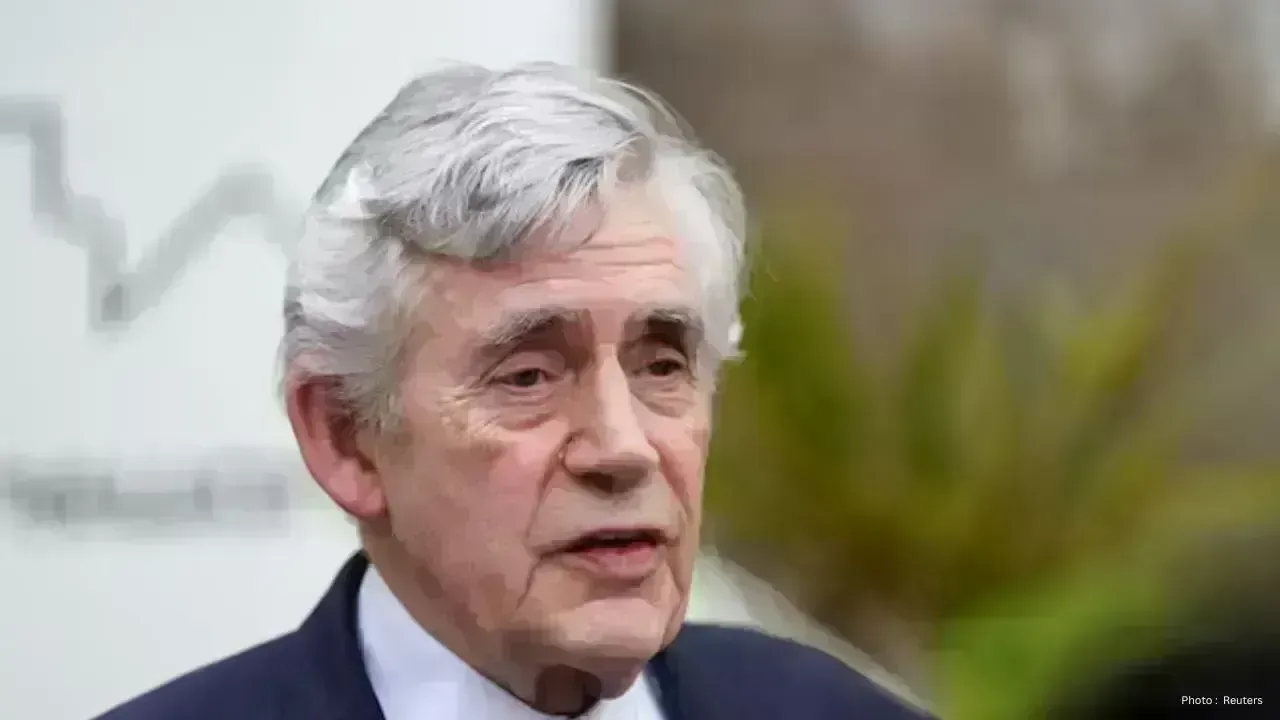
British Prime Minister Keir Starmer has appointed former Prime Minister Gordon Brown as the United Kingdom’s special envoy on global finance in a major political move aimed at strengthening economic strategy and restoring confidence during a difficult period for the Labour government.
The announcement comes at a time when Starmer is facing increasing political pressure after Labour suffered heavy losses in recent local elections across England. Political analysts say the appointment is part of a wider effort to reset the government’s image and bring experienced leaders back into important advisory roles.
Gordon Brown served as the Prime Minister of the United Kingdom from 2007 to 2010 and is widely known for his handling of the global financial crisis during his time in government. Before becoming Prime Minister, Brown spent ten years as Chancellor of the Exchequer and was considered one of the most influential economic leaders in modern British politics.
According to official statements from the British government, Brown’s new role will focus on advising how international financial cooperation can help improve Britain’s economic resilience, national security, and long-term stability.
The appointment is seen as especially important because the United Kingdom is currently facing multiple economic and political challenges. Rising global tensions, high energy prices, inflation concerns, and economic uncertainty linked to conflicts in the Middle East and Europe have increased pressure on governments around the world.
At the same time, Britain’s economy continues to face concerns related to public spending, slow growth, and international market confidence. Experts believe Starmer’s decision to involve Gordon Brown is aimed at reassuring financial markets and showing that experienced economic leadership remains close to the government.
Political observers also say the move carries symbolic importance inside the Labour Party. Gordon Brown remains respected among many Labour supporters because of his experience during the 2008 global financial crisis, when governments worldwide were struggling to prevent economic collapse.
Prime Minister Starmer has recently faced criticism from opposition parties and even some members within Labour after disappointing election results. Reports suggest Labour lost more than 1,000 council seats in local elections, creating fresh debate about the government’s direction and leadership strategy.
Some analysts believe bringing back senior figures like Gordon Brown could help stabilize the political situation and improve confidence within the party. Others, however, argue that relying on leaders from earlier political generations may also raise questions about Labour’s long-term vision for the future.
Alongside Brown’s appointment, the government has also brought other experienced Labour figures into advisory positions. These decisions suggest Starmer is trying to strengthen his leadership team during a challenging political period.
Experts say global finance has become increasingly connected with national security in recent years. International conflicts, supply chain disruptions, rising oil prices, and trade tensions can quickly affect economies around the world. Governments are now paying closer attention to financial cooperation and economic resilience.
Britain is also preparing for major international responsibilities in the coming years, including its role in global financial discussions and international economic partnerships. Gordon Brown’s international experience and global connections are expected to play an important role in these efforts.
Throughout his career after leaving office, Brown has remained active in international work related to education, global health financing, and economic policy. He has served in advisory and ambassadorial positions linked to the United Nations and World Health Organization.
Supporters of the appointment say Brown’s experience could help Britain navigate a difficult international economic environment. Critics, however, question whether bringing back older political figures can fully address the challenges facing modern British politics.
The development also highlights how economic policy remains one of the most important issues for governments worldwide. Rising living costs, inflation, global instability, and economic competition continue to shape political debates across Europe and beyond.
For now, Gordon Brown’s return to an official advisory role marks a significant political moment in the United Kingdom. The success of the appointment will likely depend on whether the government can improve economic confidence and regain political support in the months ahead.









Anticipated Dates for UAE Eid Al Adha 2026 Unveiled by Astronomical Experts
Experts predict Eid Al Adha 2026 in the UAE to start on May 27, prompting early holiday planning amo

DAE Achieves Remarkable Growth in Q1 2026 With Record Revenue
Dubai Aerospace Enterprise announces impressive financial results for Q1 2026, reflecting a surge in

Price Increase for Sony PS5 in Southeast Asia Effective May 1
Sony announces a price increase for the PS5 across Southeast Asia starting May 1, 2026, impacting ga

Potential ‘Super El Niño’ in 2026: Understanding the Climate Risks
Could a Super El Niño emerge in 2026? Discover its implications and potential global climate impacts

Global Energy Crisis Intensifies: Markets React to Oil Supply Challenges
Markets are on edge as oil disruptions escalate, influencing prices and economic stability. Explore

Must-See Tourist Spots in London You Can't Overlook
Explore London's essential attractions, from royal landmarks to vibrant markets, ensuring an unforge




