Post by : Saif Nasser
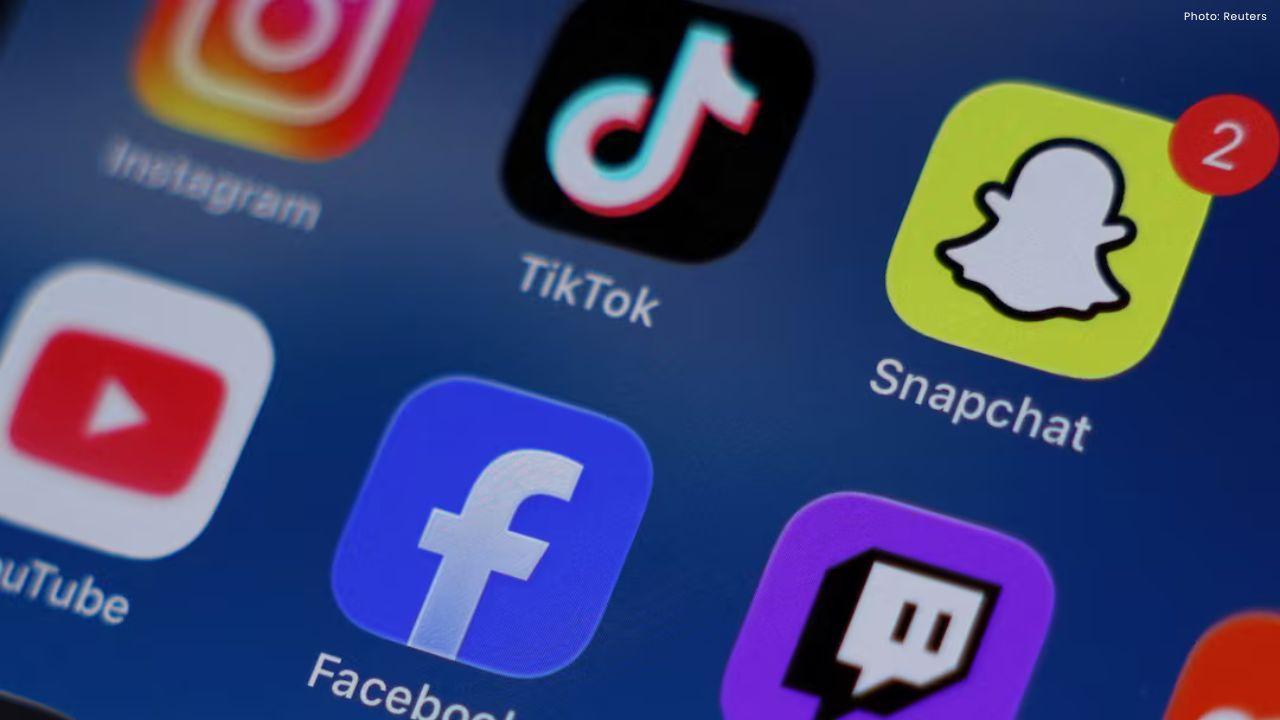
A federal judge has blocked a new Virginia law that would have limited how children use social media. The judge said the law likely goes against the U.S. Constitution, especially the right to free speech.
The law was passed by Virginia lawmakers earlier this year. It was designed to protect children from harmful online content and reduce the risks linked to heavy social media use. Supporters said the measure would help keep young people safe from cyberbullying, online predators, and content that may harm their mental health.
Under the law, social media companies would have been required to verify users’ ages. Children under a certain age would not have been allowed to create accounts without parental approval. Lawmakers argued that stronger rules were needed because many children spend long hours online, often without supervision.
Soon after the law was approved, it was challenged in court. Technology companies and free speech groups argued that the law was too broad. They said it could limit the rights of both children and adults. They also argued that forcing companies to verify ages could raise privacy concerns and lead to the collection of more personal data.
The judge agreed with many of these concerns. In his ruling, he said the state had not shown clear proof that the law would solve the problems it aimed to fix. He also said the law could unfairly limit lawful speech. Because of this, he ordered that the law cannot take effect while the legal case continues.
This decision does not end the debate. Many parents and lawmakers believe that social media has a strong impact on children’s mental health. Studies have linked heavy social media use to anxiety, depression, and sleep problems among teens. These concerns have pushed several states to consider similar laws.
At the same time, civil rights groups warn that laws like this must be written carefully. They say the government must respect the First Amendment, which protects freedom of speech. Courts often require strong evidence before allowing laws that limit how people share information.
The case in Virginia may take months, or even longer, to fully resolve. During that time, social media platforms will continue to operate as usual in the state. The final decision could influence how other states handle online safety rules in the future.
This case highlights a difficult balance. On one hand, there is a clear need to protect children in the digital world. On the other hand, there is a strong duty to protect constitutional rights. As technology continues to shape daily life, lawmakers and courts will likely face more cases like this.








Starbucks Engages Boyu Capital for Major Chinese Expansion
Starbucks teams up with Boyu Capital, selling a majority stake to boost growth and adapt to the Chin

Three Individuals Charged in Massive Meth Trafficking Case in Malaysia
In Malaysia, a married couple and another suspect are charged with trafficking 510kg of meth, facing

Singapore Police Revisit Geylang Murder Scene with Suspect
In Geylang, police return a murder suspect to the scene of a crime involving the fatal stabbing of a

Mattel Revives Masters of the Universe Action Figures Ahead of Film Launch
Mattel is reintroducing Masters of the Universe figures in line with its upcoming film, tapping into

China Executes 11 Members of Criminal Clan Linked to Myanmar Scam
China has executed 11 criminals associated with the Ming family, known for major scams and human tra