Post by : Shakul
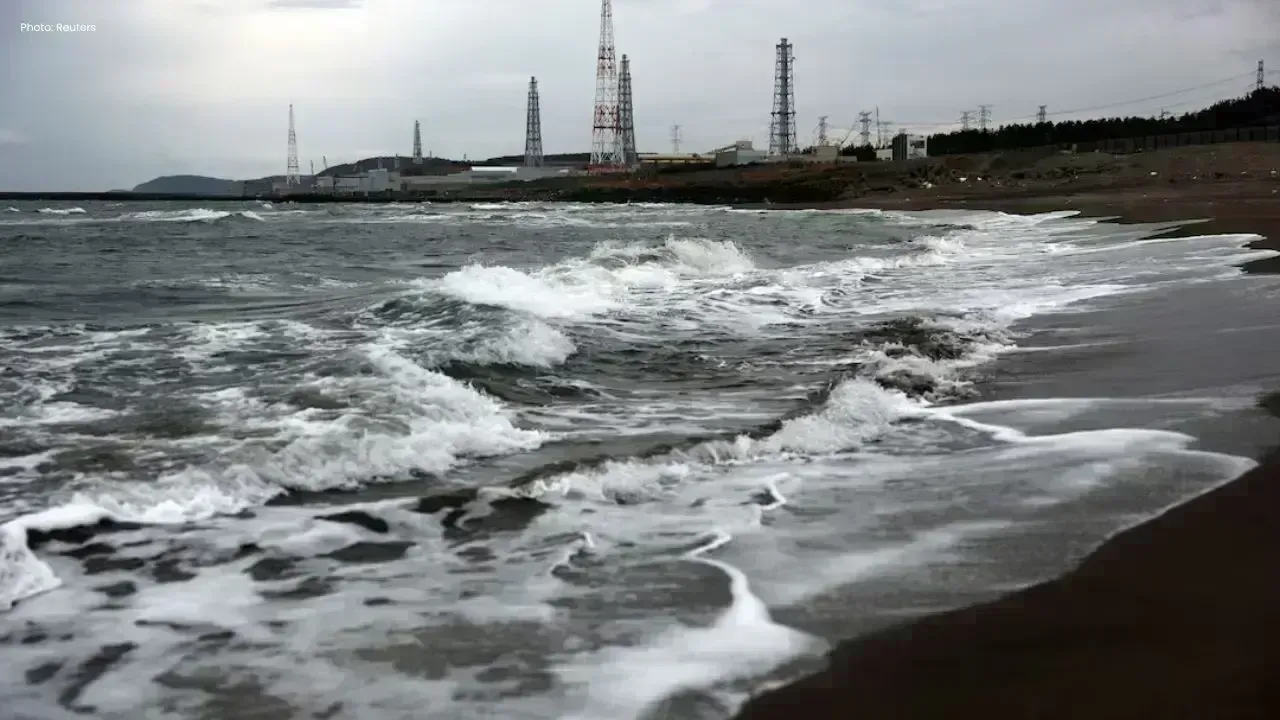
In a strategic shift to bolster national energy security, Japan has announced a comprehensive plan to renovate and replace its aging nuclear power infrastructure. This initiative addresses the anticipated surge in electricity demand expected over the coming decades.
The Ministry of Economy, Trade and Industry (METI) indicates that Japan may need to build between two to five replacement nuclear reactors by the 2040s, with projections suggesting that this figure could escalate to between 11 and 14 reactors by the 2050s as the lifespan of existing plants expires.
Officials advocate that a robust nuclear energy framework is vital to accommodate growing electricity demands spurred by emerging sectors such as artificial intelligence, cloud services, and substantial data centers, all of which are set to elevate demand on the nation’s electrical grid.
These newly proposed reactors are expected to generate around 16 gigawatts of power, aiding Japan in curtailing its dependency on imported fossil fuels. Currently, a significant part of Japan's electricity generation is reliant on coal, natural gas, and oil, positioning energy imports as a considerable economic challenge.
Japan's nuclear energy industry has been navigating significant hurdles since the devastating Fukushima disaster in 2011, which resulted in the closure of all 54 reactors within the nation. To date, only 15 out of 33 remaining operable reactors have resumed operations, adhering to the stricter safety regulations imposed post-crisis.
With its revised national energy strategy, the government aims to elevate the contribution of nuclear power to approximately 20% of total electricity generation by the fiscal year 2040. Prime Minister Sanae Takaichi staunchly supports this revitalization of nuclear energy as a pathway to enhance energy self-sufficiency and mitigate exposure to fluctuating global fuel prices.
While officials remain optimistic about the future of nuclear energy, public trust continues to be a significant concern. Safety apprehensions linger, compounded by recent controversies over inaccurate seismic assessments at specific facilities, reigniting discussions around transparency and regulatory oversight. Nonetheless, authorities emphasize that advancements in reactor technology and enhanced safety protocols will be crucial for securing Japan's long-term energy future.







Achieve Radiant Skin with This Simple Rice Flour Treatment
Transform your skincare routine! Discover how a rice flour mix can restore your skin's glow without

Meta Unveils Subscription Plans for Instagram, Facebook, and WhatsApp
Meta introduces new subscription plans for users of Instagram, Facebook, and WhatsApp, featuring enh

Suvarna Joy on Education Leadership, Resilience, and Building Purpose Through Adversity in the UAE
Suvarna Joy shares her journey of education leadership, motherhood, faith, and resilience within the

Anticipated Dates for UAE Eid Al Adha 2026 Unveiled by Astronomical Experts
Experts predict Eid Al Adha 2026 in the UAE to start on May 27, prompting early holiday planning amo

DAE Achieves Remarkable Growth in Q1 2026 With Record Revenue
Dubai Aerospace Enterprise announces impressive financial results for Q1 2026, reflecting a surge in

Price Increase for Sony PS5 in Southeast Asia Effective May 1
Sony announces a price increase for the PS5 across Southeast Asia starting May 1, 2026, impacting ga




