Post by : Saif Nasser
Japan is facing a difficult choice in the East China Sea as tensions with China continue to rise. In a quiet but significant move, Japanese officials have begun asking fishermen to avoid waters around the disputed Senkaku islands, fearing that even a small incident could trigger a serious clash with Beijing.
The Senkaku islands, known as the Diaoyu islands in China, are a group of uninhabited rocks administered by Japan but also claimed by China. For years, these islands have been a major source of tension between the two Asian powers. Japanese fishermen have traditionally sailed near the islands, not only to fish in the rich waters but also to show Japan’s control over the area. Nationalist groups in Japan see these fishing trips as a symbol of sovereignty.
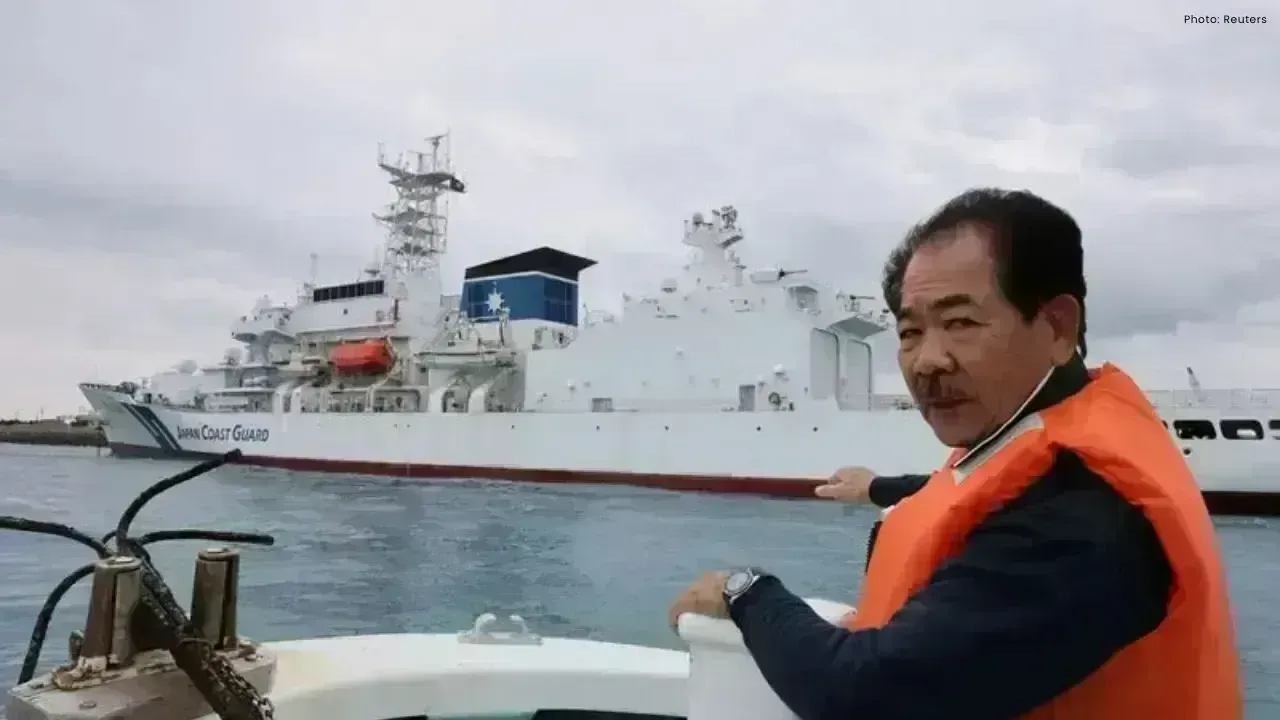
One such fisherman is 76-year-old Hitoshi Nakama from Ishigaki, an island near the disputed area. Nakama has spent decades fishing near the Senkaku islands and considers himself a defender of Japan’s territorial rights. In the past, he and others often encountered Chinese coast guard ships while fishing, sometimes playing a risky game of avoidance to continue their work.
However, since late last year, the situation has changed. According to Nakama and others familiar with the matter, Japanese officials have privately urged fishermen to stay away from the islands. These requests mark a clear shift from earlier years, when such trips were quietly accepted by authorities.
This change comes at a time when relations between Tokyo and Beijing have worsened. In November, Prime Minister Sanae Takaichi angered China by speaking publicly about how Japan might respond if China attacked Taiwan. The comments led to strong reactions from Beijing and increased diplomatic strain. Around the same time, U.S. President Donald Trump reportedly asked Takaichi not to further inflame tensions, though it remains unclear whether Washington directly influenced Japan’s requests to fishermen.
Japanese officials have not openly confirmed these warnings. The foreign ministry has repeated that the islands are an inherent part of Japan’s territory and said it continues to protest Chinese incursions through diplomatic channels. Still, the quiet nature of the requests suggests concern within the government.
The core problem for Japan is a painful dilemma. Allowing fishermen to operate near the islands helps reinforce Japan’s claim and presence. But each trip also carries the risk of confrontation with Chinese coast guard vessels, which are now more active and assertive in the region. If a fisherman were detained or inspected by Chinese authorities, it could quickly turn into a major international crisis.
Some fishermen have already changed their plans. Another Ishigaki fisherman, Kazushi Kinjo, said he received multiple calls from officials urging him to avoid the islands just before and during a planned voyage in late November. Though he briefly passed through the waters later, he chose not to fish there.
The message from Tokyo became even clearer in December, when Finance Minister Satsuki Katayama met Nakama in person. While she did not directly order him to stop fishing near the islands, her warning that “small incidents can grow bigger and lead to war” left a strong impression. Nakama said he understood that the government wanted him to stay away.
Local leaders share these concerns. Ishigaki’s mayor has said that Japan wants to avoid a situation where a fisherman could be detained by China, as this would sharply raise tensions and draw in diplomatic and security responses.
China, for its part, has accused right-wing Japanese groups of using fishing as a way to provoke trouble. Beijing says maritime issues should be handled through dialogue. At the same time, China has expanded its coast guard operations across the region, including confrontations with other neighbors such as the Philippines.
History shows how fragile the situation can be. In 2010, a collision between Chinese and Japanese vessels near the islands led to a major diplomatic crisis. In 2012, relations worsened again when Japan nationalized some of the islands.
Today, Japan is trying to avoid repeating those moments. Asking fishermen to stay away may reduce immediate risks, but it also raises fears that stepping back could encourage China to press its claims more strongly. The Senkaku issue remains a dangerous flashpoint, where even the smallest action at sea could have consequences far beyond the waves.








7.5 Magnitude Earthquake Strikes Japan, Tsunami Alerts Issued
Japan experiences a hefty 7.5 quake, prompting tsunami alerts and safety measures. Stay updated on a
Reopening of the Strait of Hormuz: New Regulations to Impact Global Trade
Iran reopens the strategic Strait of Hormuz with new regulations affecting oil transport and global

Top 10 Must-See Attractions in NYC for First-Time Explorers
Discover essential experiences for first-time visitors to NYC, including attractions, culture, and i

Starbucks Engages Boyu Capital for Major Chinese Expansion
Starbucks teams up with Boyu Capital, selling a majority stake to boost growth and adapt to the Chin

Three Individuals Charged in Massive Meth Trafficking Case in Malaysia
In Malaysia, a married couple and another suspect are charged with trafficking 510kg of meth, facing