
Post by : Shweta
Tensions have escalated in southern Lebanon following Israel's establishment of a contentious military zone referred to as the “Yellow Line,” prompting significant apprehension regarding potential breaches of the recent ceasefire agreement.
This ceasefire, designed to halt hostilities after weeks of intense conflict, aimed to foster stability in the region. Despite this, eyewitness accounts indicate that Israeli forces persist with military operations, including airstrikes and artillery attacks, alongside the demolition of homes near the border.
Central to the discord is the “Yellow Line,” which extends about 10 kilometers into Lebanese territory. Israeli authorities assert that this buffer zone is essential for security and to mitigate threats posed by Hezbollah, emphasizing that troops will remain in the area with authority to strike should they perceive any danger.
Conversely, Lebanese officials and Hezbollah vehemently oppose this encroachment, claiming it undermines the nation’s sovereignty and breaches the ceasefire. They contend that a true ceasefire entails an absolute cessation of military actions, rather than justifications for continuing operations under self-defense claims.
The ambiguity present in the ceasefire agreement is exacerbating the situation. While it advocates for a “cessation of hostilities,” it simultaneously permits Israel to undertake necessary actions for self-defense, leading to varying interpretations of threat levels that may encompass both imminent and hypothetical attacks.
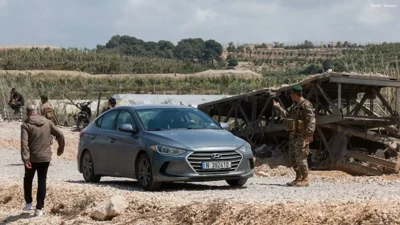
On the ground, the atmosphere remains fraught with tension. Many residents in southern Lebanon have been unable to access their towns located within the “Yellow Line” zone, with reports detailing ongoing property destruction and a persistent military presence, escalating fears among the local civilian population.
Experts caution that Israel's actions may signify a broader strategic endeavor, potentially aimed at solidifying control over the area to enhance its negotiating position in the future. This scenario raises alarms that what is framed as a temporary security tactic could morph into a prolonged occupation.
The escalating dynamic also poses a threat to future stability, as Hezbollah has signaled that any violation will elicit a response. Even though both parties maintain publicly that the ceasefire holds, the ongoing military activity and heated exchanges indicate a precarious situation.
Global observers are keenly monitoring these developments, recognizing the critical importance of stability in southern Lebanon for the larger peace framework in the region. As both sides remain entrenched in their positions, the future viability of the ceasefire appears increasingly uncertain, heightening fears of renewed conflict.







7.5 Magnitude Earthquake Strikes Japan, Tsunami Alerts Issued
Japan experiences a hefty 7.5 quake, prompting tsunami alerts and safety measures. Stay updated on a
Reopening of the Strait of Hormuz: New Regulations to Impact Global Trade
Iran reopens the strategic Strait of Hormuz with new regulations affecting oil transport and global

Top 10 Must-See Attractions in NYC for First-Time Explorers
Discover essential experiences for first-time visitors to NYC, including attractions, culture, and i

Starbucks Engages Boyu Capital for Major Chinese Expansion
Starbucks teams up with Boyu Capital, selling a majority stake to boost growth and adapt to the Chin

Three Individuals Charged in Massive Meth Trafficking Case in Malaysia
In Malaysia, a married couple and another suspect are charged with trafficking 510kg of meth, facing