Post by : Saif Nasser
The recent decision by Israel and Lebanon to extend their ceasefire has given people across the Middle East a small sense of relief after weeks of tension and fear. At the same time, Iran has shown interest in continuing talks with the United States, creating hope that diplomacy may help prevent a larger regional conflict.
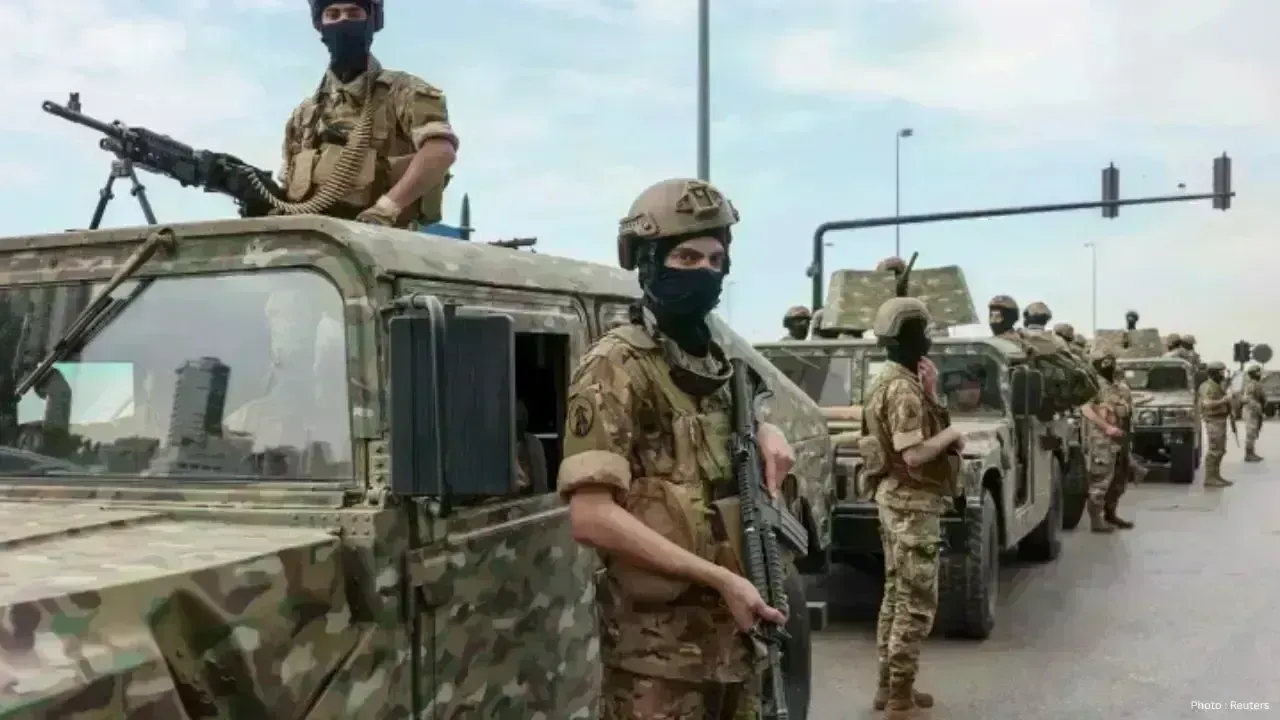
The ceasefire extension came after growing international pressure to reduce violence along the Israel-Lebanon border. Fighting between Israeli forces and Hezbollah fighters had forced many families to leave their homes, while several towns in southern Lebanon faced heavy damage. The agreement to continue the truce for another 45 days is being seen as an important step toward stability.
Even with the extension, the situation remains fragile. Reports of fresh strikes and security operations show that peace is still uncertain. Many people living near the border continue to fear that fighting could restart at any time. This is why world leaders are urging both sides to avoid actions that may increase tensions again.
The role of Iran remains important in this crisis. Iran supports Hezbollah and has a strong influence in regional politics. At the same time, Tehran has said it is ready for more discussions with the United States regarding regional security and nuclear issues. These talks are important because tensions between Washington and Tehran often affect the entire Middle East.
The United States is trying to balance military pressure with diplomatic efforts. American officials want to prevent a wider war while also pushing Iran to limit its nuclear activities. Iran, however, wants relief from sanctions and stronger guarantees before making major commitments. Because of these differences, negotiations remain difficult.
For ordinary citizens, the conflict has already caused enough suffering. Families in Lebanon are struggling with destruction and displacement, while people in Israel continue to live under the fear of possible attacks. Economic problems, rising prices, and uncertainty have also made life harder across the region.
The extension of the ceasefire does not mean the crisis is over, but it does offer a chance for calm. Peace in the Middle East cannot be achieved through weapons alone. Real progress will only come through dialogue, patience, and serious negotiations between all sides.
The coming weeks will be critical. If leaders continue talks and avoid further violence, the region may move closer to stability. But if tensions rise again, the Middle East could face another dangerous period of conflict and uncertainty.




Anticipated Dates for UAE Eid Al Adha 2026 Unveiled by Astronomical Experts
Experts predict Eid Al Adha 2026 in the UAE to start on May 27, prompting early holiday planning amo

DAE Achieves Remarkable Growth in Q1 2026 With Record Revenue
Dubai Aerospace Enterprise announces impressive financial results for Q1 2026, reflecting a surge in

Price Increase for Sony PS5 in Southeast Asia Effective May 1
Sony announces a price increase for the PS5 across Southeast Asia starting May 1, 2026, impacting ga

Potential ‘Super El Niño’ in 2026: Understanding the Climate Risks
Could a Super El Niño emerge in 2026? Discover its implications and potential global climate impacts

Global Energy Crisis Intensifies: Markets React to Oil Supply Challenges
Markets are on edge as oil disruptions escalate, influencing prices and economic stability. Explore

Must-See Tourist Spots in London You Can't Overlook
Explore London's essential attractions, from royal landmarks to vibrant markets, ensuring an unforge




