Post by : Saif Nasser
The Middle East is seeing another important diplomatic moment as Israel and Lebanon have agreed to extend their ceasefire. At the same time, global attention is shifting toward possible new peace efforts involving Iran, with former US President Donald Trump pushing for what he calls a better deal to reduce tensions in the region.
The extension of the ceasefire between Israel and Lebanon comes after a period of conflict and rising instability. While the agreement helps avoid immediate fighting, the situation remains fragile. There are still reports of tension along the border, and trust between the two sides is very weak. This means the risk of fresh clashes has not fully gone away.
The ceasefire is important because it gives both sides time to reduce violence and avoid a larger war. But it is not a permanent solution. It is more like a pause that allows space for talks. Without real progress in negotiations, such pauses can break down quickly.
At the same time, Trump’s statement about working toward a “best deal” with Iran has added a new layer to the situation. His comments suggest an effort to restart or reshape talks that could involve wider regional peace. However, there is still no clear roadmap or confirmed agreement between the involved parties.
Peace talks with Iran remain complicated. The countries involved have long-standing disagreements over security, influence, and political issues. These differences make it difficult to reach any final settlement. Even when discussions begin, progress is often slow and uncertain.
The wider region remains unstable due to ongoing tensions involving armed groups, border disputes, and political rivalry. Even small incidents can lead to bigger confrontations. This is why international attention stays focused on any sign of ceasefire or negotiation in the area.
From an editorial perspective, the situation shows how delicate peace efforts can be in conflict zones. Ceasefires are useful, but they do not solve the deeper problems. Real peace requires long-term trust, compromise, and strong political will from all sides.
The role of global powers is also important. The United States and other countries often try to support peace talks and reduce violence. But different national interests can make coordination difficult. Each side has its own priorities, which can slow down progress.
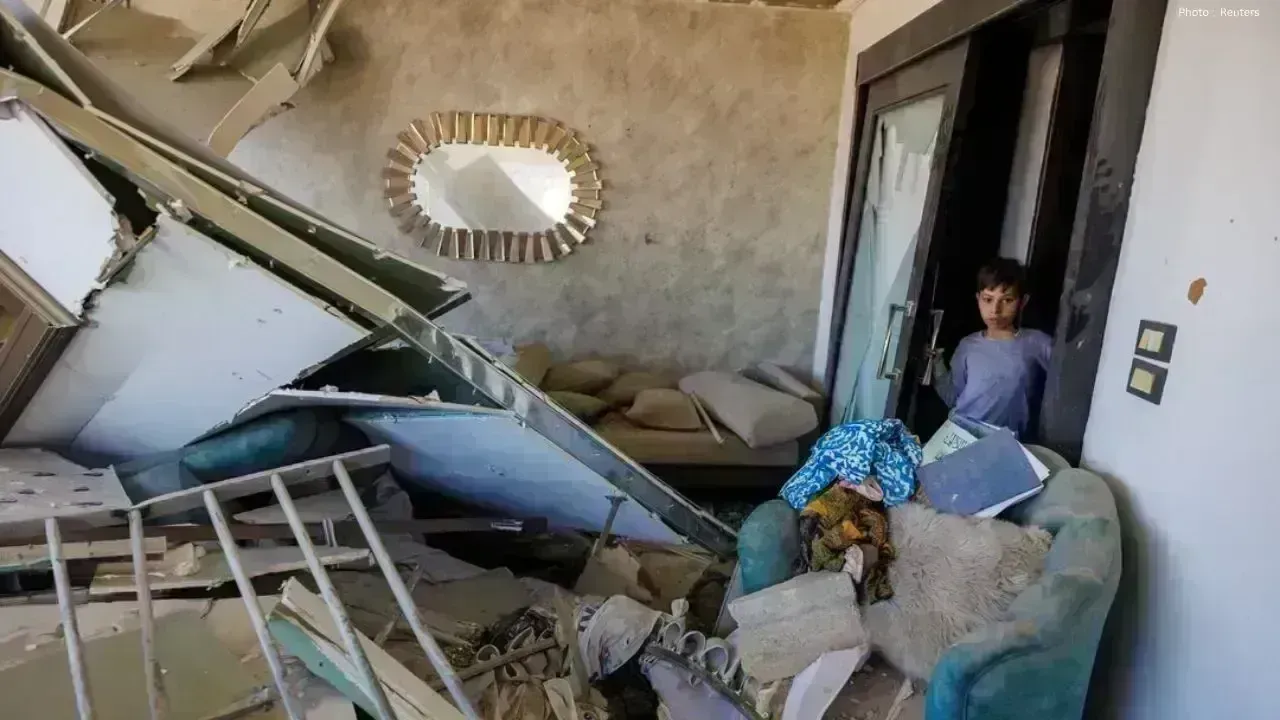
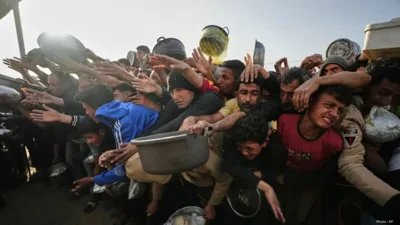
For ordinary people in the region, the impact of these tensions is very real. Many families live with uncertainty, fear, and disruption in daily life. Even when fighting stops temporarily, the effects of conflict continue in the form of damaged infrastructure and economic pressure.
The situation also has global importance. The Middle East plays a key role in energy supply and international trade. Any instability in the region can affect oil prices, shipping routes, and global markets. This makes peace efforts important not only locally but worldwide.
The extension of the Israel–Lebanon ceasefire gives a small sense of relief, but it does not remove the deeper challenges. The success of any future peace plan will depend on whether all sides are willing to make difficult compromises and build trust over time.






Global Energy Crisis Intensifies: Markets React to Oil Supply Challenges
Markets are on edge as oil disruptions escalate, influencing prices and economic stability. Explore

Must-See Tourist Spots in London You Can't Overlook
Explore London's essential attractions, from royal landmarks to vibrant markets, ensuring an unforge

Ultimate Guide to Snagging Cheap Flights in 2026
Unlock the secrets to booking affordable flights in 2026 with insightful tips and strategies tailore

The Impact of Consistent Small Investments on Wealth Building
Discover how investing small amounts regularly can positively transform your financial future over t

7.5 Magnitude Earthquake Strikes Japan, Tsunami Alerts Issued
Japan experiences a hefty 7.5 quake, prompting tsunami alerts and safety measures. Stay updated on a

Reopening of the Strait of Hormuz: New Regulations to Impact Global Trade
Iran reopens the strategic Strait of Hormuz with new regulations affecting oil transport and global