Post by : Saif Nasser
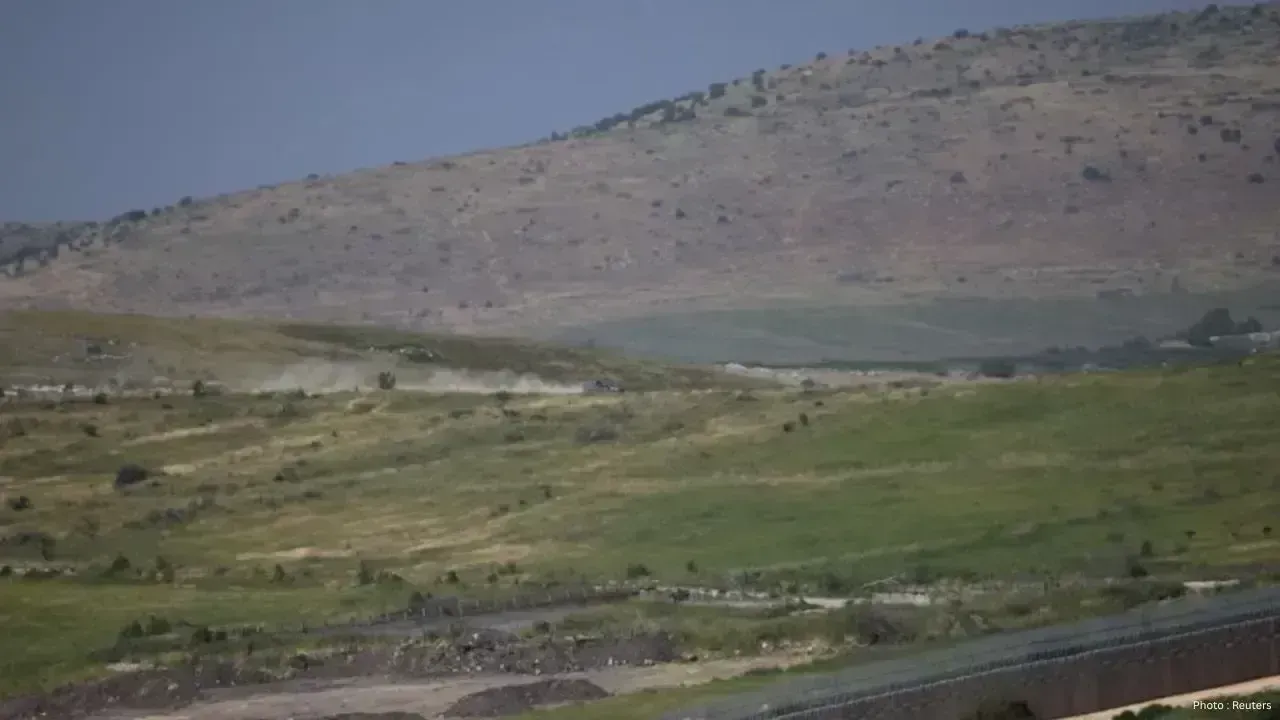
Israel and Lebanon have agreed to extend their ceasefire for another 45 days, offering a small but important sign of hope after months of violence and uncertainty along the border. The agreement came after two days of talks held in Washington with support from the United States.
The ceasefire was originally announced in April after intense fighting between Israeli forces and Hezbollah fighters in southern Lebanon. The conflict caused heavy destruction, forced many families to leave their homes, and increased fears of a wider war in the Middle East. More than a million people were reportedly displaced during the violence, while border towns on both sides faced severe damage.
The latest extension is meant to create more time for negotiations and reduce the risk of another major military clash. Officials from both countries are expected to continue discussions in the coming weeks. Reports suggest future meetings may focus on border security, military activity, and long-term stability in the region.
Even though the ceasefire has been extended, the situation remains fragile. Fresh strikes and security operations have continued in some areas, showing that trust between the two sides is still very weak. Many civilians living near the border remain afraid that fighting could begin again at any moment.
One of the biggest challenges is the role of Hezbollah, the Iran-backed armed group based in Lebanon. Israel has repeatedly demanded stronger action against Hezbollah and says the group remains a major security threat. Lebanese leaders, however, are trying to balance internal political pressure while also avoiding another devastating war.
The United States has played a major role in pushing both sides toward continued dialogue. American officials described the recent talks as productive and expressed hope that diplomacy could eventually lead to a broader peace agreement. The negotiations are considered historically important because direct communication between Israel and Lebanon has been extremely rare for decades.
For ordinary people in the region, the ceasefire extension brings temporary relief but not complete peace. Families displaced by the conflict are still struggling to rebuild their lives, while businesses and local communities continue to face economic hardship.
The extension of the truce does not solve the deeper political and security problems between Israel and Lebanon. However, it does provide an opportunity for talks to continue instead of more violence. In a region that has suffered years of conflict, even a short period of calm can make a meaningful difference.






Anticipated Dates for UAE Eid Al Adha 2026 Unveiled by Astronomical Experts
Experts predict Eid Al Adha 2026 in the UAE to start on May 27, prompting early holiday planning amo

DAE Achieves Remarkable Growth in Q1 2026 With Record Revenue
Dubai Aerospace Enterprise announces impressive financial results for Q1 2026, reflecting a surge in

Price Increase for Sony PS5 in Southeast Asia Effective May 1
Sony announces a price increase for the PS5 across Southeast Asia starting May 1, 2026, impacting ga

Potential ‘Super El Niño’ in 2026: Understanding the Climate Risks
Could a Super El Niño emerge in 2026? Discover its implications and potential global climate impacts

Global Energy Crisis Intensifies: Markets React to Oil Supply Challenges
Markets are on edge as oil disruptions escalate, influencing prices and economic stability. Explore

Must-See Tourist Spots in London You Can't Overlook
Explore London's essential attractions, from royal landmarks to vibrant markets, ensuring an unforge




